Art exhibitions captivate audiences with their visual splendor, but the intricate process behind organizing these events often remains unseen. This behind-the-scenes exploration reveals the multifaceted stages involved in transforming creative concepts into engaging exhibitions that resonate with visitors.
Concept Development
The inception of an art exhibition is rooted in its concept. Curators play a pivotal role in this phase, as they establish the thematic foundation that will guide the entire exhibition. Themes can range from the examination of historical art movements to the spotlighting of emerging talent or new works by renowned artists. The selected theme not only influences the choice of artworks but also helps in shaping the narrative that the exhibition aims to convey to its audience.
.png)
Artwork Sourcing
With a theme in place, curators begin the meticulous process of sourcing artworks. This stage involves extensive collaboration with artists and galleries, negotiation of loans, and sometimes, commissioning new pieces specifically for the exhibition. Handling the artworks requires utmost precision, involving detailed contracts, comprehensive insurance coverage, and professional handling and transportation to ensure the art arrives in perfect condition.
Design and Layout
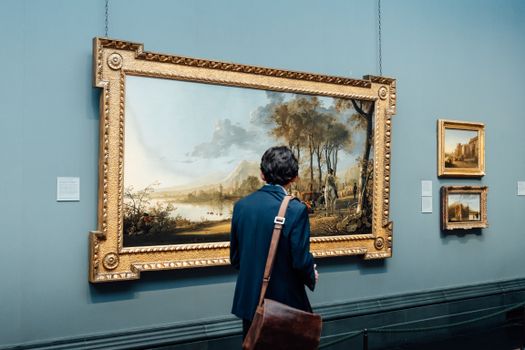
Once artworks are secured, the focus shifts to their presentation. This phase is crucial as it involves designing the exhibition layout that dictates the flow and interaction of the audience with the art. Curators and exhibition designers work closely to decide on the placement of artworks, the color schemes of walls, and strategic lighting to enhance the visual impact of each piece. The layout is carefully crafted to create a narrative flow that guides visitors through the exhibition, ensuring a cohesive and immersive experience.
Installation
The installation phase brings the conceptual and design plans to life. This involves the physical setup of the exhibition where technicians, guided by conservators, meticulously install the artworks. Precision is key in this stage to ensure that each piece is displayed securely and prominently, with lighting and placement tailored to showcase the art's best attributes.
Marketing and Promotion
A successful exhibition also relies heavily on effective marketing and promotional strategies. The aim is to generate buzz and draw in an audience. This involves crafting compelling promotional materials, engaging with audiences on social media, and organizing preview events for the press and influencers. Strategic marketing not only boosts visibility but also enhances public engagement and anticipation.
Opening Night
The culmination of all these efforts is celebrated on opening night, an event that brings together artists, critics, collectors, and art enthusiasts. This evening is not just a celebration but also a crucial opportunity for networking and initiating dialogues about the art on display. For many artists and galleries, it's also a critical moment for sales and commissions.
Conclusion
Behind each art exhibition is a dedicated team whose meticulous planning and passion for art make these events possible. From curators and designers to installers and marketing specialists, each role is essential in shaping the exhibition's success. As visitors, while we enjoy the artistic expressions on display, understanding the extensive groundwork involved enriches our appreciation of these cultural endeavors. Next time you visit an exhibition, remember the unseen efforts and collaborative spirit that bring art closer to the public, making each visit a more insightful experience.