.png)
.png)
Environmental Art: Transforming Public Spaces and Minds for a Greener Tomorrow
Publikováno: 17.02.2026 19:08 | Autor: Jan Novák
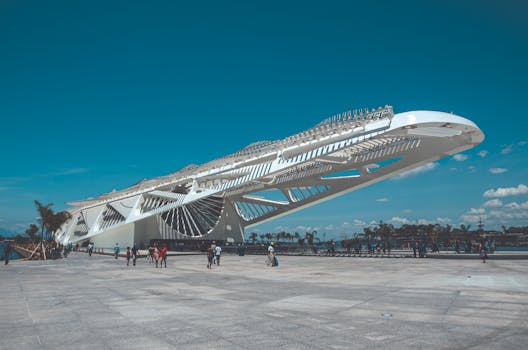
Originating in the 1960s and 1970s, environmental art questioned the human-nature relationship, as artists like Robert Smithson and Christo and Jeanne-Claude used the Earth both as a medium and a message, emphasizing the transient impact of human activities. Today’s environmental art ranges from land art and eco-art to sustainable practices, focusing on pressing issues like climate change, biodiversity, and pollution, to ignite public discourse and awareness.
A pivotal impact of environmental art is its ability to render abstract or distant environmental issues as tangible experiences. For instance, global phenomena like climate change often seem remote, but through artistic representation and immersive experiences, these issues are brought closer to the public, fostering a personal connection and emotional engagement, which are crucial for understanding and action.
Interactive elements in environmental art transform viewers from passive observers into active participants. Projects like Olafur Eliasson's "Ice Watch," which displayed melting ice from Greenland in public spaces, not only allowed people to witness the effects of climate change firsthand but also to feel them physically, enhancing personal connection to global environmental changes.
The strategic placement of environmental artworks in public areas further extends their reach beyond conventional galleries, making them accessible to a broader audience. By situating art in parks, streets, and communal areas, these works democratize the experience of art, spreading ecological messages more widely and inclusively.
Additionally, environmental art often promotes community engagement and collaboration, involving the public in both creation and maintenance. This communal involvement can strengthen local ties and foster a collective environmental responsibility, enhancing the social fabric.
The educational impact of environmental art is also significant, especially in integrating scientific research and data into accessible and compelling formats. This approach proves particularly effective in educational settings, where art becomes a tool for environmental education, sparking interest and commitment among younger audiences toward sustainability.
In conclusion, environmental art significantly influences public perceptions and behaviors regarding the environment. By making ecological issues more accessible, emotionally engaging, and requiring active participation, environmental art drives both individual and collective actions towards a sustainable future. As environmental challenges persist, the role of art in public engagement and behavioral change becomes increasingly crucial, highlighting the need for creative collaboration in fostering a healthier planet for future generations.
Další zajímavé články
Exploring Art Movements: From Minimalism to Digital Art and Their Impact
16.02.2026Autor: Jan Novák
Contemporary art movements offer a mirror to the evolving cultural and societal landscapes, providing diverse ways to engage with and reflect upon our world. From Minimalism's austere reductionism to ...
Create a Winning Art Portfolio: Essential Tips for Artists
16.02.2026Autor: Jan Novák
Creating an impactful art portfolio is a crucial step for artists aiming to showcase their work effectively, whether it's for school applications, gallery representation, or online exposure. An outsta...
Unlock Artistic Inspiration Daily: Transforming Ordinary into Masterpieces
16.02.2026Autor: Jan Novák
Finding Art Inspiration in Everyday Life
Art is not just confined to the walls of galleries and museums; it is all around us, woven into the very fabric of our daily lives. For artists and creatives,...
Unlock Your Creative Potential: 10 Tips to Enhance Artistic Expression
16.02.2026Autor: Jan Novák
Exploring and enhancing your artistic expression is an enriching journey that can transform your understanding of both yourself and the world. By engaging with various forms of art, developing your sk...
Mastering Art Series: A Guide to Creating Cohesive and Impactful Artworks
16.02.2026Autor: Jan Novák
Introduction
Embarking on the creation of a cohesive art series is a transformative experience for artists at all stages of their careers. This process not only deepens your artistic inquiry but al...