Artistic expression serves as a profound channel for conveying emotions, transcending the constraints of spoken language and enabling a universal form of communication that resonates across diverse cultures and societies. This timeless interaction between art and emotion enriches our understanding of the human condition, offering both artists and audiences the opportunity to explore and share their innermost feelings in a deeply meaningful way.
The Historical Role of Art in Emotional Expression
Historically, art has been an essential tool for emotional expression, with its origins tracing back to ancient civilizations. Cave paintings, for instance, are early examples of how prehistoric humans used art to depict their daily lives and emotions, capturing fear, triumph, and survival through rudimentary images. Over the centuries, this evolved into more sophisticated forms of expression through classical and modern art movements, each reflecting the emotional and cultural currents of its time.
.png)
The Psychological Impact of Visual Art
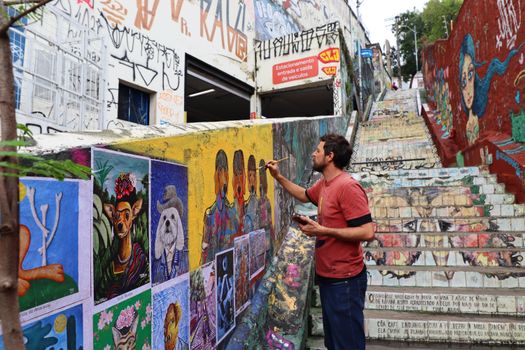
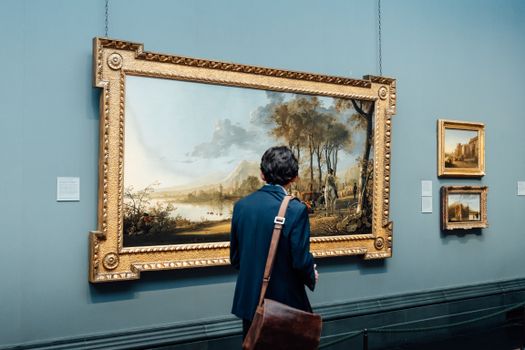
Visual art, such as painting and sculpture, utilizes elements like color, form, and composition to evoke specific emotional responses. Artists like Vincent van Gogh employed vivid colors to convey intense emotions, as seen in works like "Starry Night," where swirling heavens stir feelings of awe and wonder. Similarly, sculptors like Auguste Rodin portrayed complex human feelings through physical form, utilizing body language and facial expressions to capture the essence of emotional experiences.
Music and Emotional Resonance
Music uniquely communicates emotions through sound, offering a direct pathway to the listener’s emotions. The structure of a musical piece, including its melody, tempo, and harmony, can evoke a spectrum of feelings, from melancholy to elation. Composers like Ludwig van Beethoven and Pyotr Tchaikovsky excelled in translating their personal struggles and joys into symphonies that continue to move audiences centuries later.
Dance as Dynamic Emotional Expression
Dance combines music, physical movement, and often visual elements to express stories and emotions dynamically. The physicality of dance makes it an especially visceral form of artistic expression, capable of conveying subtleties of emotion through gestures and movement. Ballet and contemporary dance performances often leave audiences emotionally stirred, demonstrating the power of non-verbal communication.
Literary Arts: Narratives and Emotions
In literature and poetry, writers craft narratives that weave emotions through the use of language, character development, and plot. Literary works provide a reflective space for readers to engage with their emotions, as authors like Virginia Woolf and James Baldwin explore human feelings and societal issues with profound emotional depth.
Digital Art and Interactivity
The advent of digital technology has expanded the horizons of artistic expression, introducing new media and interactive elements that engage audiences in immersive emotional experiences. Digital art can be particularly impactful, combining visual, auditory, and interactive elements to evoke complex emotional responses. This includes virtual reality experiences that allow users to step into entirely different emotional landscapes.
Art Therapy: Healing Through Art
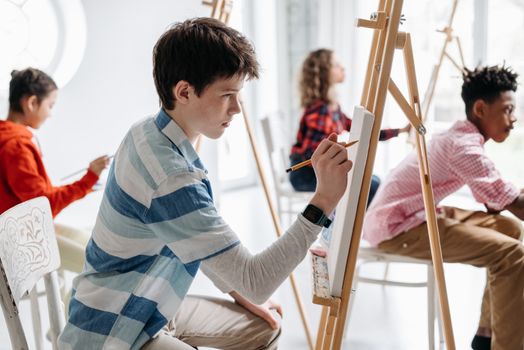
Art therapy embodies the healing potential of art, using it as a tool for psychological therapy. By creating and reflecting on art, individuals can explore complex emotions, often gaining insights that verbal communication might not fully capture. This therapeutic approach underscores the intrinsic power of artistic expression to heal and transform lives.
Conclusion
Art remains a powerful medium for emotional expression, bridging individual experiences and universal themes through diverse forms. It not only allows individuals to express and understand their own emotions but also fosters empathy and connection among us, transcending time and cultural boundaries. As we continue to navigate the complexities of human emotion, art offers a vital, enriching, and deeply human mode of expression.