Art Therapy: The Healing Power of Creativity
Art has long been celebrated for its ability to capture emotion, provoke thought, and inspire action. Yet, beyond galleries and museums, art serves a profound purpose as a healing tool. Art therapy, an established form of psychotherapy, harnesses the power of creative expression to improve mental, emotional, and even physical well-being. In a world where stress, trauma, and anxiety are increasingly common, the healing power of creativity offers a unique and accessible path to wellness. This article delves into the science, applications, benefits, and transformative stories behind art therapy, exploring how the creative process can foster healing and resilience in people of all ages.
Understanding Art Therapy: What Is It?
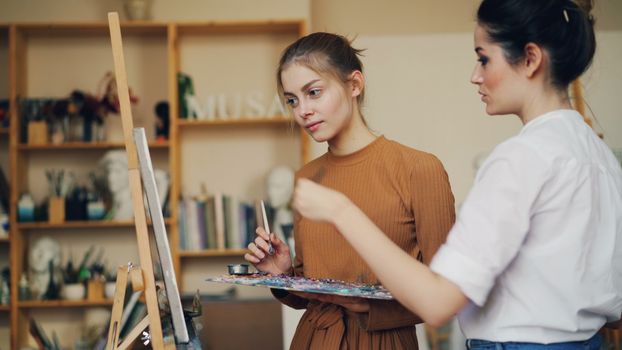
Art therapy is a therapeutic discipline that integrates the creative process of making art with psychological counseling. Recognized by the American Art Therapy Association (AATA), it is practiced by credentialed professionals who combine expertise in art and mental health. Art therapy is not about producing museum-worthy masterpieces; rather, it emphasizes the process of creation as a means of self-expression, exploration, and healing.
Emerging in the 1940s, art therapy has evolved into a respected field with a proven track record. According to the AATA, over 5,000 credentialed art therapists are practicing in the United States alone, working in settings as diverse as hospitals, schools, rehabilitation centers, and private clinics. Art therapy sessions may involve drawing, painting, sculpting, collage, or even digital art. The focus is on the journey, not the outcome, making it accessible to individuals regardless of their artistic skill.
.png)
The Science Behind Art Therapy: How Creativity Heals
The healing effects of art therapy are rooted in neuroscience and psychology. Engaging in creative activities activates different parts of the brain, including areas responsible for emotion regulation, sensory processing, and memory formation. Studies have shown that making art can lower cortisol levels (a key stress hormone), boost dopamine (the "feel-good" neurotransmitter), and enhance connectivity between brain hemispheres.
A 2016 study published in the journal Art Therapy found that just 45 minutes of creative activity led to a significant reduction in cortisol among 75% of participants, regardless of their artistic experience. Furthermore, research in trauma therapy demonstrates that art-making allows individuals to process and externalize difficult emotions that may be hard to articulate verbally.
Art therapy also leverages the concept of neuroplasticity—the brain’s ability to reorganize and form new connections. Repeated creative engagement can help retrain the brain’s response to stress and trauma, fostering resilience and adaptive coping skills.
Applications Across Life Stages and Conditions
Art therapy’s versatility allows it to benefit diverse populations, from children to seniors, and to address a wide range of challenges. Below are some of the key areas where art therapy has shown meaningful impact:
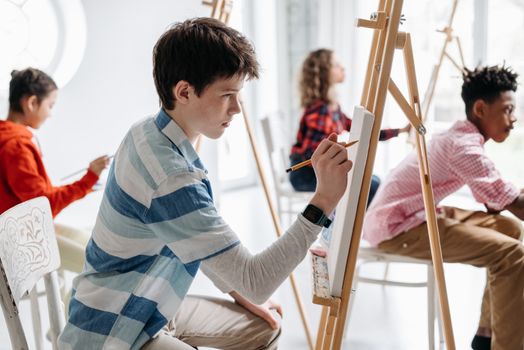
Children and Adolescents: For young people struggling with behavioral issues, trauma, autism spectrum disorder, or anxiety, art therapy provides a safe, nonverbal outlet. Creative expression can help children communicate feelings they may not have words for and develop emotional regulation skills.
Adults and Trauma Survivors: Art therapy is widely used in treating post-traumatic stress disorder (PTSD), depression, and anxiety. For example, veterans participating in art therapy programs report reduced symptoms of PTSD and improved mood. The National Endowment for the Arts found that 56% of military service members and veterans participating in creative arts therapies reported improvements in depression and anxiety.
Older Adults and Dementia: Among seniors, especially those with dementia or Alzheimer’s disease, art therapy can enhance cognitive function, reduce agitation, and improve quality of life. Engaging in art-making helps preserve memory, encourage social interaction, and boost self-esteem.
Medical Illness and Pain Management: Hospitals increasingly integrate art therapy into patient care. Studies indicate that art therapy can reduce pain perception, lower anxiety before surgery, and improve recovery outcomes. For example, a 2018 study in the Journal of Pain and Symptom Management found that art therapy reduced pain and fatigue in cancer patients by 35%.
Art Therapy vs. Other Therapeutic Approaches: A Comparison
While art therapy shares similarities with other forms of psychotherapy, it offers distinct advantages, especially for individuals who struggle with verbal communication. The table below highlights key differences and similarities:
| Aspect | Art Therapy | Talk Therapy (Cognitive Behavioral Therapy) | Music Therapy |
|---|---|---|---|
| Primary Medium | Visual Art (painting, drawing, sculpture) | Verbal dialogue and cognitive exercises | Music creation, listening, or performance |
| Best For | Nonverbal expression, trauma, emotional regulation | Anxiety, depression, cognitive restructuring | Mood enhancement, social connection, memory |
| Evidence Base | Reduces stress, improves emotional resilience | Highly researched, effective for many diagnoses | Reduces anxiety, aids in rehabilitation |
| Accessibility | No art skill required, materials are flexible | Requires verbal ability and cognitive engagement | No musical skill required, instruments needed |
Real-World Stories: Art Therapy in Action
To truly appreciate the impact of art therapy, it’s helpful to look at real-world examples:
Case Study 1: Healing After Trauma A 12-year-old girl, “Maria,” experienced anxiety and nightmares following a house fire. Traditional talk therapy made her uncomfortable, but through art therapy, she was able to draw images representing her fears and gradually gain control over her anxiety. Over six months, Maria’s sleep improved, and her school attendance returned to normal.
Case Study 2: Supporting Cancer Recovery At a major hospital in New York, adult cancer patients participated in weekly group art therapy sessions. Participants reported that art-making helped them process the emotional weight of their diagnosis, connect with others facing similar challenges, and feel a greater sense of agency over their treatment journey. One participant shared, “When I’m painting, I don’t feel like a patient—I feel like myself again.”
Case Study 3: Enhancing Elderly Well-Being In a senior community center, individuals living with mild dementia joined a sculpture workshop led by an art therapist. Over eight weeks, participants showed improved memory recall, reduced isolation, and increased engagement in daily activities. Staff observed brighter moods and stronger social bonds among attendees.
Getting Started: What to Expect in Art Therapy
If you’re considering art therapy, knowing what to expect can ease any apprehension. Sessions are typically led by a licensed art therapist, and may be conducted individually or in groups. The therapist may offer prompts or themes (such as “draw your safe place” or “create a mask representing your feelings”), but the process remains client-driven.
No artistic talent is needed. The focus is on the process of creation, not the final product. Materials may range from crayons and pastels to clay or found objects. Sessions often conclude with a discussion, allowing clients to reflect on their artwork and any insights gained.
The frequency and duration of art therapy depend on individual needs. Some people benefit from weekly sessions over several months, while others may participate in intensive programs or occasional workshops.
The Growing Role of Art Therapy in Modern Healthcare
Art therapy is gaining momentum in mainstream healthcare, education, and social services. According to the World Health Organization, creative arts therapies—including art therapy—can help address complex health challenges and improve well-being across populations.
Hospitals such as the Cleveland Clinic, Johns Hopkins, and Stanford Health Care have integrated art therapy into their cancer, pediatric, and mental health departments. In 2021, the global art therapy market was valued at $2.3 billion, with projections estimating growth to $4.1 billion by 2028, reflecting increased recognition and demand.
Insurance coverage for art therapy varies, but advocacy efforts are underway to expand access. Many schools, community centers, and nonprofits also offer free or low-cost art therapy programs, making this healing modality more accessible than ever.
Conclusion
Art therapy stands at the intersection of creativity and healing, offering a powerful alternative for those seeking to improve their mental, emotional, and physical health. Whether addressing trauma, managing chronic illness, or simply seeking self-understanding, art therapy invites people of all ages and backgrounds to explore the healing power of imagination. With a robust scientific foundation, real-world success stories, and growing acceptance in healthcare, art therapy continues to transform lives—one brushstroke, sculpture, or collage at a time.