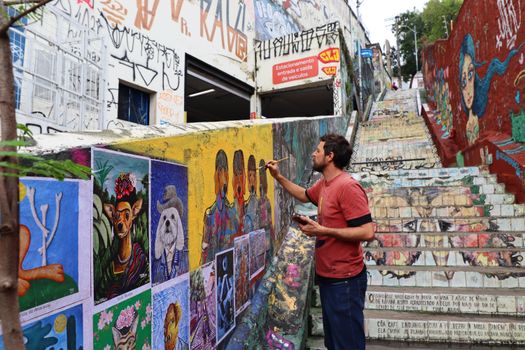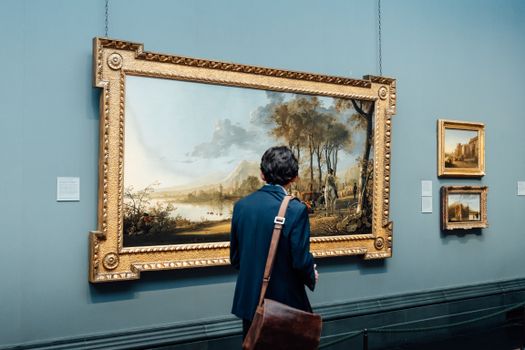
Visual storytelling is a profound and enduring method of communication that transcends time and culture, captivating and inspiring audiences through the ages. From the primordial cave paintings at Lascaux to the sophisticated digital media of today, visual art continues to serve as a potent conduit for storytelling. This article explores how artists leverage visual storytelling to convey narratives, evoke emotions, and stimulate intellectual engagement.
The Essence of Visual Storytelling in Art
At its core, visual storytelling in art involves conveying a narrative through imagery. This form of storytelling captures the intricacies of human experiences in a manner that words alone cannot. Artists utilize elements such as color, form, shape, and composition to weave stories that resonate with viewers on a deep emotional level. This technique is prevalent across various forms of art, including paintings, sculptures, photography, and digital creations.
.png)
Historical Perspectives
Visual storytelling is as old as humanity itself, serving as a primary means of communication throughout human history. The ancient cave paintings in Lascaux, France, for example, depict scenes of hunting and daily life, offering insights into the survival stories of early humans. During the Renaissance, master artists like Leonardo da Vinci and Michelangelo used their canvases and sculptures to depict stories from the Bible and mythology, imbuing their works with rich narrative depth.
In more recent history, artists like Frida Kahlo have used visual storytelling to express deeply personal experiences and emotions. Kahlo’s self-portraits are replete with symbols that speak to her physical pain, emotional turmoil, and the political climate of her era. Each painting invites viewers to step into her life, sharing in her personal and societal struggles.
The Impact of Visual Storytelling
The universality of visual storytelling allows it to transcend linguistic and cultural barriers, making it an incredibly effective means of communication. It can evoke a spectrum of emotions, making stories relatable and impactful. Picasso’s “Guernica,” for example, with its raw depiction of pain and chaos, emotionally engages the viewer, conveying the horrors of the Spanish Civil War in a universally understandable language.
Visual storytelling also holds the power to instigate social change. By drawing attention to social issues such as injustice, inequality, and human rights, artists can catalyze societal shifts and influence public opinion. The compelling nature of visual imagery can often communicate what words cannot, making it a powerful tool for advocacy and transformation.
Techniques in Visual Storytelling
Artists use various techniques to enhance the narrative element of their works. Composition is critical; the arrangement of elements within the artwork guides the viewer’s eye and can emphasize different parts of the story. Color, too, is a vital narrative tool—it sets the tone, conveys emotions, and underscores contrasts.
Symbolism is another technique frequently employed in visual storytelling. Symbols within an artwork can represent broader themes or ideas, adding depth and multiple layers of meaning. Vincent van Gogh’s “Starry Night,” for instance, features swirling skies that might represent the artist’s turmoil or his quest for solace.
Engaging with Visual Stories
To fully appreciate visual stories, viewers should engage actively with the artwork. This means exploring the context in which the art was created, including the historical, cultural, and personal circumstances of the artist. Such engagement not only enhances the enjoyment of the art but also deepens the viewer’s understanding of the narratives woven into the visual fabric.
Conclusion
Visual storytelling in art is a dynamic, multifaceted expression that offers profound insights into human life and societal issues. It goes beyond mere aesthetic appreciation, challenging viewers to reflect, empathize, and sometimes act. As we navigate an increasingly visual world, understanding the power and nuances of visual storytelling in art can enrich our interpretations of the images that saturate our lives and influence how we perceive the world around us.