Czech folklore is a vibrant tapestry woven from centuries of legends, customs, costumes, and music. Far from being confined to history books or rural festivals, these traditional motifs have found a powerful new voice in the world of contemporary art. Today, Czech artists across disciplines are drawing inspiration from folk tales, patterns, and rituals—reimagining them through painting, sculpture, fashion, and digital media. This cross-pollination between heritage and innovation not only preserves cultural identity but also propels Czech creativity onto the international stage. In this article, we’ll explore how Czech folklore profoundly shapes modern artistic expression, spotlighting vivid examples, key themes, and the ongoing dialogue between past and present.
Czech Folklore: A Living Well of Inspiration
Czech folklore encompasses an extraordinary range of traditions, including fairy tales, folk songs, embroidery, woodcarving, and ceremonial dances. These customs have deep roots in the regions of Bohemia, Moravia, and Silesia, each with its unique symbols and stories. According to the Czech Statistical Office, over 2,000 folk festivals are held annually across the country, a testament to the enduring resonance of these traditions.
What makes Czech folklore so distinctive is its visual richness—ornamental patterns, vibrant costumes (known as "kroje"), and narrative motifs like the water sprite Vodník or the wise grandmother figure. For contemporary artists, this legacy offers a vast palette of ideas and aesthetics. By referencing folk motifs, modern creators honor their heritage while also questioning, subverting, or updating its meanings for the 21st century.
.png)
Folklore in Contemporary Visual Arts
Modern Czech painters, sculptors, and illustrators frequently revisit folkloric imagery, blending it with new materials and techniques. For instance, the acclaimed artist Alena Antonová integrates Moravian embroidery patterns into her abstract canvases, juxtaposing traditional motifs with bold color fields. Similarly, the sculptor Petr Nikl, a founding member of the avant-garde group Tvrdohlaví, often draws on childhood fairy tales and folk creatures to create surreal, playful installations.
A notable trend is the reinterpretation of fairy tales through a modern lens. Contemporary illustrators like Renáta Fučíková breathe new life into classic stories by reimagining folkloric heroes with contemporary features or placing them in urban settings. This not only bridges generations but also stimulates dialogue about cultural values and identity.
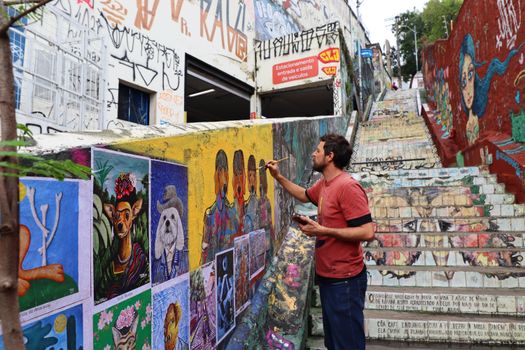
Moreover, folk art’s influence extends to public installations. In 2022, a collaborative street art project in Prague transformed tram stops into canvases for folk-inspired murals, merging rural tradition with urban space. These projects demonstrate how folklore continues to animate everyday environments.
Fashion and Design: From Kroje to Catwalks
Czech fashion designers are increasingly incorporating folk elements into their collections. The elaborate embroidery, lacework, and color schemes of traditional kroje serve as direct references. For example, the fashion house ETHER creates contemporary garments that echo the silhouettes and patterns of Moravian costumes but use modern fabrics and minimalist tailoring.
In 2021, designer Tereza Rosalie Kladošová won the Czech Grand Design award for her collection inspired by regional folklore. Her pieces combined hand-felted wool, vibrant colors, and stylized floral motifs reminiscent of South Bohemian embroidery. Kladošová’s work exemplifies how folk heritage can be both a tribute to the past and a wellspring of innovation.
The influence is also evident in jewelry, interior design, and product packaging. Brands like Manufaktura incorporate folk patterns into cosmetics packaging, while modern Czech ceramics often feature motifs derived from folk pottery. This creative dialogue helps keep folklore relevant and accessible to a new generation.
Music and Performing Arts: Folklore in a Modern Key
Music and performance are perhaps the most direct vehicles for folk tradition. While folk ensembles remain popular—such as the renowned Cimbálová muzika Hradišťan, which has performed since 1950—many contemporary musicians are fusing folk elements with genres like jazz, rock, and electronic music.
For example, the band Čechomor reinterprets Moravian folk songs with electric instruments, attracting both older fans and younger audiences. Meanwhile, composer Petr Eben integrated folk melodies into his avant-garde classical works, expanding the reach of these themes.
In theater and dance, companies like the Prague-based Laterna Magika have adapted folk legends using multimedia, puppetry, and experimental choreography. These performances bring ancient tales to life in ways that resonate with contemporary sensibilities, highlighting universal themes of love, loss, and transformation.
Digital Art and New Media: Reimagining Folklore in the Internet Age
As digital technology reshapes artistic practice, Czech folklore is finding new embodiments online and in multimedia art. Digital illustrators use folk motifs in video games, animations, and virtual reality experiences. For instance, the award-winning game "Samorost" by Amanita Design draws heavily on Czech fairy tale aesthetics, blending surreal landscapes with folk-inspired creatures.
Social media has also become a platform for sharing folklore-inspired art, with hashtags like #ceskyfolklor connecting artists and audiences globally. In 2023, a digital exhibition titled "Folk Futures" showcased works by young Czech artists who used augmented reality and generative art to reinterpret classic myths.
This digital renaissance not only broadens the reach of Czech folklore but also invites international collaboration and reinterpretation, ensuring its ongoing evolution.
Comparing Traditional and Contemporary Czech Folk Influence
The influence of Czech folklore on contemporary art can be seen in how key elements are preserved, adapted, or transformed. The table below outlines several areas of continuity and innovation.
| Aspect | Traditional Folklore | Contemporary Art |
|---|---|---|
| Motifs | Nature, animals, folk heroes, geometric patterns | Abstracted or stylized motifs, urban reinterpretations, digital forms |
| Mediums | Textiles, woodwork, oral storytelling, folk music | Painting, sculpture, multimedia, fashion, video games |
| Purpose | Ritual, storytelling, community identity | Personal expression, social commentary, global sharing |
| Audience | Local communities, families, festival-goers | National and international, online audiences, art collectors |
| Innovation | Preservation of tradition | Hybridization, reinterpretation, technology integration |
This comparison highlights the dynamic exchange between the old and the new, and how the essence of Czech folklore continues to inspire, even as its forms evolve.
The Role of Folklore in Czech National Identity and Global Art
The ongoing dialogue between folklore and contemporary art plays a vital role in shaping Czech national identity. According to a 2020 survey by the Czech Academy of Sciences, over 60% of respondents believe that folk traditions are a crucial part of their cultural heritage. At the same time, exhibitions like "Tradice v pohybu" ("Tradition in Motion") at the National Gallery Prague have drawn international attention, highlighting how Czech artists reinterpret cultural memory for a global audience.
By blending tradition with innovation, Czech artists not only preserve their roots but also contribute to the global conversation about identity and creativity. Their work demonstrates that folklore is not a static relic but a living, evolving source of inspiration—capable of speaking to new generations and crossing cultural boundaries.
Where Tradition and Modernity Meet: The Lasting Impact of Czech Folklore on Art
The influence of Czech folklore on contemporary art is a vivid example of how tradition and modernity can coexist and enrich one another. From painting and fashion to digital media, artists are finding fresh ways to engage with their heritage, making it relevant in a rapidly changing world. This ongoing fusion not only sustains cultural memory but also fuels innovation and dialogue at local and international levels.
As Czech artists continue to reinterpret folk motifs and stories, they invite us all to consider the value of our own traditions—and how they might inspire the art of tomorrow.