Art is far more than what hangs in galleries or museums; it is a vital, omnipresent force that shapes our daily experiences, emotions, and social dynamics. From the colors of our morning commute to the music that soothes us after a long day, art permeates our lives in subtle yet profound ways. But how exactly does art influence our psychological well-being and the fabric of our society? Recent research and real-world examples reveal that art is not just decorative—it is transformative, offering measurable benefits for individuals and communities alike.
The Psychological Impact of Art on the Individual
The relationship between art and psychology has long fascinated scientists and philosophers. Over the past few decades, empirical studies have begun to quantify the psychological benefits of engaging with art, whether through viewing, creating, or listening.
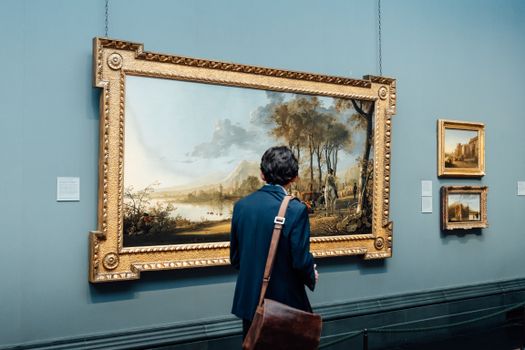
Art as a Mood Regulator: According to a 2021 study published in the journal "Frontiers in Psychology," engaging with visual art can reduce cortisol levels, a biological marker of stress, by up to 75%. Participants who spent just 30 minutes viewing paintings reported feeling calmer and more relaxed. This effect is not limited to galleries; even brief exposure to public art, such as murals or sculptures, has been shown to enhance mood.
.png)
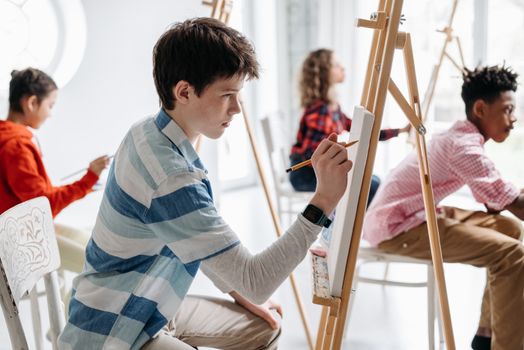
Cognitive Benefits: The process of creating art activates multiple regions of the brain, fostering improved memory, problem-solving skills, and emotional intelligence. One widely cited 2014 study from Drexel University found that simply making art for 45 minutes led to increased connectivity between different neural pathways, regardless of a person's artistic skill level.
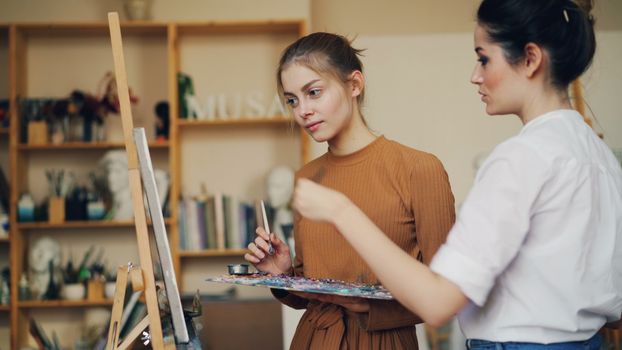
Art Therapy in Practice: Art therapy is now recognized as an evidence-based treatment for a variety of mental health conditions. For example, post-traumatic stress disorder (PTSD) patients who participated in art therapy demonstrated a 37% reduction in symptoms over a 12-week period, according to a 2018 report by the American Art Therapy Association.
How Art Shapes Social Interactions and Community Cohesion
Art not only affects individuals on a personal level; it also plays a crucial role in shaping collective identities and fostering social bonds.
Fostering Empathy and Understanding: When people share artistic experiences, such as attending a theater performance or participating in a community mural project, they often develop greater empathy for others. According to a 2022 survey by the National Endowment for the Arts, 68% of respondents reported feeling more connected to their neighbors after participating in a local art event.
Building Inclusive Spaces: Public art initiatives are increasingly used by municipalities to create welcoming urban environments. For instance, the city of Philadelphia increased its public art budget by 40% between 2016 and 2022, correlating with a 15% rise in residents’ reported sense of community pride. Inclusive art projects can also help marginalized groups express their identities and share their stories, promoting social integration.
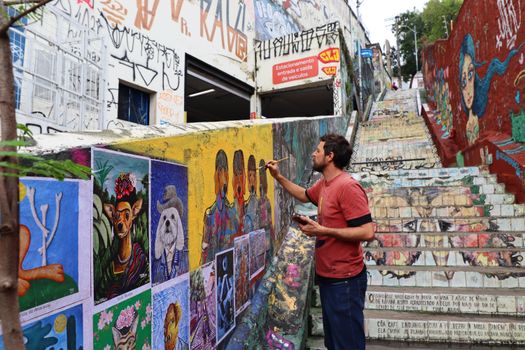
Crime Reduction and Urban Renewal: Art can even play a role in reducing crime and revitalizing neighborhoods. The “Broken Windows” theory, which posits that visible signs of disorder encourage further crime, has inspired cities to invest in beautifying public spaces with art. In Los Angeles, neighborhoods that implemented street art and community art projects saw a 12% decrease in vandalism incidents between 2018 and 2021.
Art and Daily Rituals: Subtle Influences in Everyday Environments
Art is not confined to galleries or theaters; it is woven into the very fabric of our daily routines, often in ways we may not immediately recognize.
In the Workplace: Office environments that incorporate art—whether through paintings, sculptures, or even thoughtfully designed interiors—see measurable improvements in employee satisfaction and productivity. A 2019 study by the Business Committee for the Arts found that 94% of surveyed workers felt that art in the workplace made them more creative and motivated.
At Home: The average European household spends €240 annually on home decor, including art and design items, according to Eurostat data from 2023. Whether it’s a favorite painting, a handmade ceramic, or a playlist curated for relaxation, these artistic elements make our living spaces more comforting and reflective of personal identity.
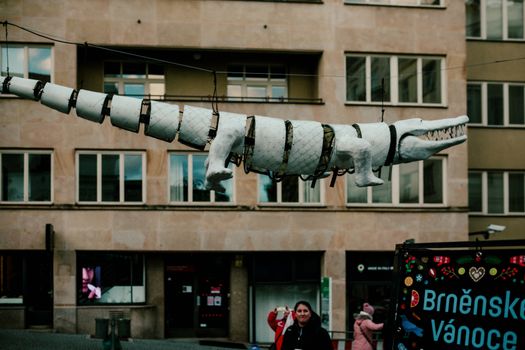
In Public Spaces: Urban planning increasingly prioritizes art in parks, transit stations, and even hospitals. Studies show that hospital patients exposed to soothing art in their rooms require 15% fewer pain medications and report higher satisfaction with their care.
Art, Technology, and the Digital Age: New Frontiers in Influence
The digital revolution has dramatically expanded the reach and impact of art in our daily lives, making it more accessible and interactive than ever before.
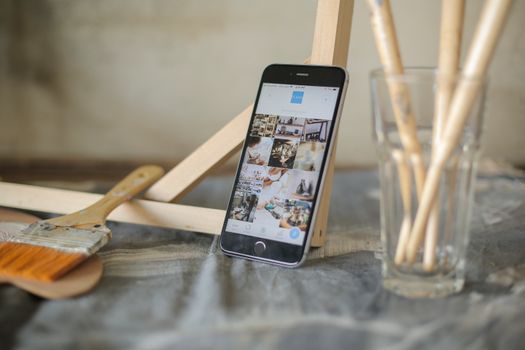
Social Media and Art Consumption: Instagram, TikTok, and Pinterest have transformed the way people discover and share art. As of 2023, Instagram reported over 500 million daily users engaging with art-related content. Digital platforms allow artists to reach global audiences, and users to curate virtual galleries that reflect their tastes.
Virtual and Augmented Reality: VR and AR technologies are enabling immersive artistic experiences. For example, VR art therapy sessions have been shown to reduce anxiety in children undergoing medical treatments by up to 30%, according to a 2022 study published in "JMIR Mental Health." AR apps allow users to visualize art in their own homes, increasing engagement and democratizing access to creative works.
The Rise of NFTs and Digital Ownership: Non-fungible tokens (NFTs) generated over $17 billion in sales in 2021, according to NonFungible.com. While controversial, NFTs have opened up new avenues for artists to monetize their work and for collectors to engage with art in the digital realm.
Comparing Art’s Influence: Psychological vs. Social Aspects
To better understand the multifaceted influence of art, it is helpful to compare its psychological and social impacts side by side. The table below summarizes key findings from recent studies and surveys.
| Aspect | Key Benefits | Supporting Data | Examples |
|---|---|---|---|
| Psychological | Stress reduction, enhanced mood, cognitive development, therapeutic outcomes | Up to 75% reduction in cortisol after art viewing; 37% PTSD symptom reduction with art therapy | Art therapy for trauma, relaxing home decor, listening to music |
| Social | Community bonding, empathy, crime reduction, urban renewal | 68% felt more connected after art events; 12% drop in vandalism with community art | Community murals, public art installations, inclusive neighborhood projects |
Art’s Role in Shaping Identity and Cultural Narratives
Beyond individual and communal benefits, art serves as a powerful vehicle for expressing and shaping cultural identities. It helps societies remember their histories, challenge their present, and imagine their futures.
Preserving Heritage: Artistic traditions, from folk music to indigenous crafts, are essential for maintaining cultural continuity. UNESCO estimates that over 40% of the world’s intangible cultural heritage involves art forms such as dance, storytelling, and painting.
Driving Social Change: Throughout history, art has played a critical role in social movements. From Picasso’s "Guernica" protesting war, to street art supporting climate activism, creative works have the power to inspire dialogue and drive real-world change.
Personal Identity: For individuals, engaging with art—whether by creating or appreciating it—provides a means to explore and affirm their personal values, beliefs, and aspirations. This process is especially vital for young people, with studies showing that adolescents involved in the arts report higher self-esteem and resilience.
Final Reflections: The Enduring Power of Art in Daily Life
The influence of art on our daily lives is far-reaching and multifaceted. It shapes our moods, sharpens our minds, and forges connections with others. Art beautifies our environments, aids in healing, and even has the power to transform entire communities. In the digital age, art’s reach is only expanding, offering new opportunities for engagement and enrichment.
Far from being an optional luxury, art is a fundamental human need—an essential ingredient in a healthy, cohesive, and vibrant society. Whether we are aware of it or not, art is always with us, quietly influencing how we think, feel, and relate to the world around us.