The Czech lands, nestled in the heart of Europe, boast a rich artistic heritage that has shaped not only national identity but also the broader currents of European art. From the shimmer of medieval mosaics to the bold experimentation of the 20th century and the innovative expressions of today, Czech art is a vibrant tapestry woven with history, resilience, and vision. This article unfolds the key movements in Czech art history and explores their lasting impact on contemporary culture—revealing a dialogue between past and present that continues to inspire.
Czech Medieval and Gothic Art: Foundations of National Identity
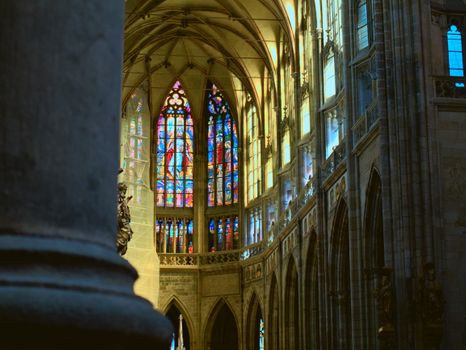
The roots of Czech art stretch back to the early medieval period, where religious devotion and royal patronage cultivated a distinct visual language. By the 14th century, under the reign of Charles IV, Prague became a cultural and political center of Europe. The construction of St. Vitus Cathedral (founded in 1344) symbolized the zenith of Czech Gothic architecture, blending French influences with local traditions.
Gothic art in Bohemia was characterized by intricate altarpieces, illuminated manuscripts, and stained glass. The Master of Vyšší Brod, a prominent anonymous painter, created the famous Vyšší Brod Altarpiece around 1350, combining narrative detail with spiritual symbolism. Manuscript illumination flourished, with the Codex Gigas (13th century) as one of the largest and most mysterious medieval manuscripts, now housed in Sweden but originally Czech.
.png)
These medieval masterpieces laid the groundwork for Czech national identity, incorporating Slavic motifs and Christian iconography that continue to appear in modern Czech art and public life. Today, countless visitors to Prague Castle and churches across the Czech Republic experience this enduring legacy.
The Baroque Splendor: Drama and Devotion in Czech Art
The Baroque era, spanning the 17th and early 18th centuries, swept through the Czech lands with a flourish of exuberance and theatricality. This period followed the tumultuous Thirty Years’ War (1618-1648), which deeply scarred the region but also spurred a flowering of Catholic art and architecture as a symbol of recovery and faith.
Czech Baroque painters such as Karel Škréta (1610-1674) and Petr Brandl (1668-1735) became renowned for their masterful use of light, emotion, and composition. Brandl’s "St. Thomas of Villanova Distributing Alms" (1720) exemplifies the era’s emphasis on movement and spiritual intensity. Meanwhile, sculptors like Matyáš Bernard Braun adorned gardens and church interiors with expressive statues, notably his allegorical figures at the Kuks Hospital complex.
Baroque churches such as St. Nicholas in Prague’s Malá Strana and the pilgrimage site at Svatá Hora remain among the most visited landmarks in the Czech Republic. Their dynamic forms and ornate interiors influenced not only religious art but also theatre, music, and today’s Czech design sensibility, visible in everything from poster art to contemporary installations.
National Revival and Art Nouveau: Art as a Catalyst for Change
The 19th century witnessed a resurgence of Czech national consciousness, often referred to as the Czech National Revival. Art became a powerful tool for cultural awakening and political assertion, with painters, sculptors, and architects drawing inspiration from folklore, history, and the landscape.
Josef Mánes (1820-1871) emerged as a leading figure, known for his romantic landscapes and illustrations for the National Theatre. Art Nouveau, or "Secese" in Czech, flourished at the turn of the 20th century, blending organic forms, floral motifs, and a celebration of Czech heritage. Alphonse Mucha (1860-1939), perhaps the most internationally recognized Czech artist, revolutionized poster art with his iconic designs for Sarah Bernhardt and the "Slav Epic," a monumental series depicting Slavic history.
Art Nouveau architecture also transformed Prague, with buildings like the Municipal House (Obecní dům) and the enchanting works of Jan Kotěra and Josef Gočár. The movement’s synthesis of art, craft, and design established a foundation for modern creativity, inspiring contemporary Czech designers and illustrators to blend tradition with innovation.
Czech Modernism: Cubism, Surrealism, and Avant-Garde Experimentation
The early 20th century was a period of remarkable artistic experimentation in the Czech lands. Czech Cubism, a unique adaptation of the Parisian movement, found expression not only in painting but also in architecture and applied arts. Artists such as Emil Filla (1882-1953) and Bohumil Kubišta (1884-1918) deconstructed form and perspective, while architects like Josef Gočár and Pavel Janák designed angular buildings and furniture, a phenomenon virtually unique to Czechia.
Surrealism also found fertile ground in Czech culture. Toyen (Marie Čermínová, 1902-1980) and Jindřich Štyrský (1899-1942) were prominent members of the international Surrealist movement, exploring dream imagery, eroticism, and the subconscious. Their work resonated deeply during the interwar period and later under political repression, offering coded resistance and psychological escape.
The Czech avant-garde’s influence extends to contemporary media art, film, and theatre. The legacy of Czech Cubism is visible in Prague’s House of the Black Madonna, while Surrealist motifs permeate the films of Jan Švankmajer and contemporary art installations across the country.
Socialist Realism and the Underground: Art in the Shadow of Politics
After World War II, Czechoslovakia became a socialist state, and art was harnessed as an ideological tool. Socialist Realism dominated official culture, emphasizing heroic workers, idyllic rural scenes, and optimistic visions of the future. While some artists, like Karel Souček, conformed to these themes, others found subtle ways to subvert or evade censorship.
The 1960s Prague Spring brought a brief liberalization, allowing new artistic freedoms, but the Soviet-led invasion of 1968 reimposed strict controls. In response, an underground art scene flourished. The "Czech Informel" movement, exemplified by artists such as Mikuláš Medek and Jan Koblasa, used abstract forms and unconventional materials to express existential anxiety and resistance.
This era’s art became a symbol of dissent, with exhibitions held in private apartments and samizdat publications circulating forbidden works. The legacy of these underground artists is evident in the Czech Republic’s vibrant independent galleries and alternative spaces today, where the spirit of experimentation and resistance remains strong.
Contemporary Czech Art: Innovation and Global Influence
Since the Velvet Revolution of 1989, Czech art has experienced a renaissance of freedom and international engagement. Contemporary artists draw on a millennium of tradition while pushing boundaries in media, concept, and form. David Černý, known for provocative public sculptures like "Tower Babies" on Prague’s Žižkov TV Tower, challenges viewers’ perceptions of history and society.
Magdalena Jetelová explores themes of displacement and memory through monumental installations, while Jiří David’s neon heart once illuminated Prague Castle as a symbol of love and transformation. The DOX Centre for Contemporary Art and MeetFactory provide platforms for experimental projects and global collaborations.
Czech artists participate in major international exhibitions, such as the Venice Biennale, and their works are collected by leading institutions worldwide. The cross-pollination between Czech traditions—Gothic mysticism, Baroque drama, avant-garde innovation—and contemporary concerns like technology, urbanism, and identity ensures Czech art’s ongoing relevance and vitality.
To illustrate the evolution and diversity of Czech art, consider the following comparative overview:
| Art Movement | Key Period | Notable Artists | Main Characteristics | Contemporary Influence |
|---|---|---|---|---|
| Gothic | 14th–15th centuries | Master of Vyšší Brod | Religious themes, illuminated manuscripts, stained glass | Symbolism in modern national identity |
| Baroque | 17th–18th centuries | Karel Škréta, Petr Brandl, Matyáš B. Braun | Dramatic emotion, dynamic sculpture, ornate architecture | Influence on theatre, design, and public spaces |
| Art Nouveau | 1890–1910 | Alphonse Mucha, Jan Kotěra | Organic lines, floral patterns, integration of art and design | Inspiration for graphic design and illustration |
| Cubism & Surrealism | 1910–1940 | Emil Filla, Toyen | Abstract forms, dream imagery, psychological themes | Film, media, and installation art |
| Socialist Realism & Underground | 1948–1989 | Karel Souček, Mikuláš Medek | Heroic realism, coded resistance, abstract Informel | Alternative galleries, independent art scenes |
| Contemporary | 1990–present | David Černý, Magdalena Jetelová | Conceptual art, public interventions, global dialogue | International exhibitions, urban art, digital media |
How Czech Art History Shapes Today’s Culture
The journey of Czech art—from medieval sanctuaries to modern galleries—reflects both the resilience and adaptability of Czech society. Each movement responded to its political, religious, or social context, forging new styles and ideas that continue to echo in contemporary culture.
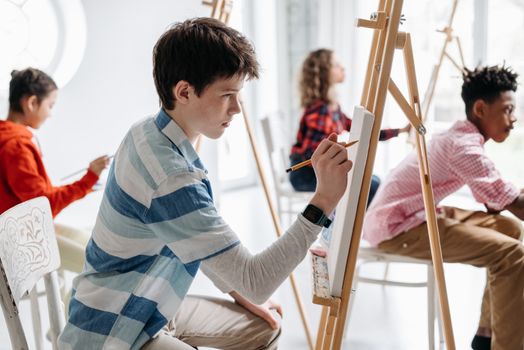
Today, Czech art’s influence is visible in unexpected places: public sculptures that provoke debate, graphic designs that reference Art Nouveau, and theatre productions that harness Baroque spectacle. The Czech Republic’s robust arts education system, with over 40,000 students enrolled in art schools as of 2023, ensures that these traditions are not only preserved but reimagined for new generations.
Czech artists’ engagement with global trends—while maintaining a sense of history—positions Czechia as a creative crossroads. The dialogue between heritage and innovation is a defining feature of Czech contemporary culture, attracting art lovers, scholars, and tourists from around the world.