Art is a powerful force in shaping personal and collective identity, especially among young people navigating the complexities of modern society. In the Czech Republic, a country with a rich artistic tradition and a dynamic cultural scene, art holds a unique role in the lives of its youth. This article explores how art shapes the identity of young people in contemporary Czechia, drawing on sociological research, real-life examples, and statistical insights to illuminate a nuanced, evolving landscape.
The Historical Context: Art and Youth Identity in Czech Society
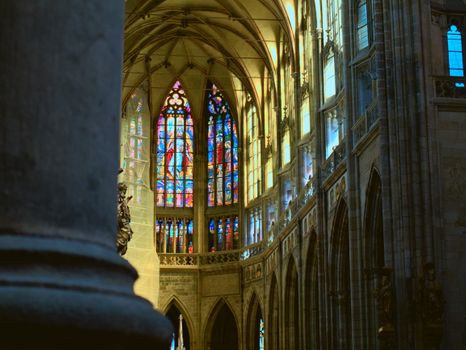
To understand how art influences young people’s identity in the Czech Republic, it is important to consider the nation’s historical and cultural backdrop. Czechia boasts a vibrant art heritage—from the medieval Gothic masterpieces of Prague to the avant-garde movements of the 20th century. For generations, art has been a tool for expressing dissent, fostering national pride, and navigating political upheaval.
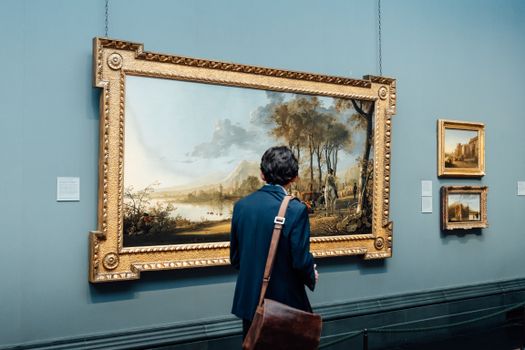
For Czech youth, this legacy is more than a backdrop; it is an active component of identity formation. According to a 2022 survey by the Czech Statistical Office, nearly 70% of Czech teenagers reported visiting a museum, gallery, or cultural event at least once annually. This engagement is not just about passive consumption—young Czechs often see art as a means of connecting with their heritage while also exploring new, globalized forms of expression.
.png)
During the Velvet Revolution of 1989, students and young artists played a pivotal role in advocating for political change through visual art, performance, and music. Today, their descendants continue to use art as a means of self-expression, activism, and community building.
Art as a Mirror: Self-Discovery and Personal Expression
One of the most significant ways art shapes young identities is by providing a safe space for self-discovery and expression. In a 2021 study by Masaryk University, 58% of Czech students aged 15-24 said that creating or engaging with art helped them “better understand themselves.”
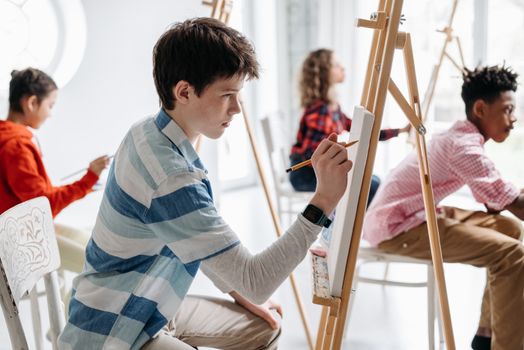
Art allows young people to explore their emotions, beliefs, and aspirations without fear of judgment. Whether it’s through painting, digital media, street art, or performance, the act of creation becomes a mirror reflecting internal struggles and dreams.
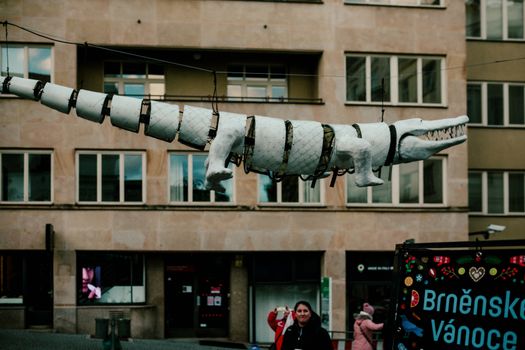
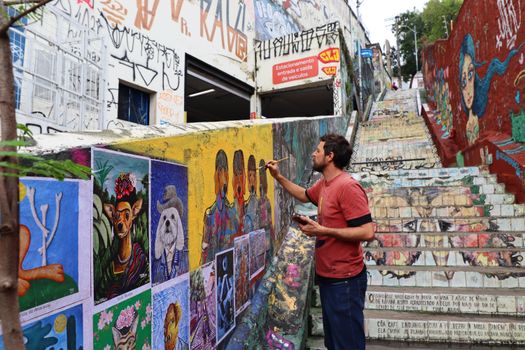
Take, for example, the rise of street art collectives in Prague and Brno. These groups, composed largely of people under 30, use public spaces to communicate messages about identity, belonging, and societal challenges. Their murals and installations often address themes such as mental health, gender identity, and multiculturalism—topics that resonate deeply with Czech youth navigating an increasingly diverse society.
Moreover, the popularity of digital art and social media platforms enables young Czechs to share their work beyond national borders, fostering a sense of global connectedness while also affirming their unique cultural perspectives.
Community, Belonging, and Social Capital Through Art
Art does more than help individuals understand themselves—it also fosters a sense of community and belonging. Youth engagement in art projects, from theater troupes to music ensembles and collective visual arts initiatives, helps create social bonds that are vital for healthy development.
Research published by the Czech Institute for Society and Art in 2023 found that participation in community arts programs was linked to a 25% higher sense of social belonging among Czech teenagers compared to those who did not participate.
This sense of belonging is especially important in regions where young people may feel isolated, such as rural areas or smaller towns. Local art centers, workshops, and festivals become places where young people can connect, collaborate, and develop a shared identity rooted in both local culture and contemporary concerns.
The following table highlights the impact of various art forms on youth identity as reported in a 2023 nationwide survey:
| Art Form | % of Youth Engaged | Reported Impact on Identity |
|---|---|---|
| Visual Arts (painting, sculpture, digital) | 45% | Self-expression, emotional processing |
| Music (playing, composing, performing) | 52% | Community, emotional release, group identity |
| Theater & Performance | 28% | Confidence, communication skills, empathy |
| Literary Arts (poetry, creative writing) | 37% | Self-reflection, cultural exploration |
| Street Art & Graffiti | 19% | Activism, urban identity, social commentary |
Art, Activism, and Social Change Among Czech Youth
A distinctive aspect of youth identity in the Czech Republic is the intersection of art and activism. Young people are increasingly using art as a medium to address pressing social issues, from climate change to LGBTQ+ rights and anti-racism.
One prominent example is the “Art for Climate” initiative launched in 2022, which saw over 5,000 young Czechs contribute artwork highlighting the urgency of environmental protection. This project not only raised awareness but also fostered a sense of shared purpose and responsibility among participants.
In schools, art projects often tackle themes such as tolerance, human rights, and historical memory. For example, the annual “Memory of Nations” art competition invites students to create works inspired by interviews with witnesses of 20th-century Czech history. Over 10,000 young people have participated since its inception, using art to connect personal identity with broader societal narratives.
Social media amplifies these efforts, enabling youth-led art campaigns to reach wide audiences and build solidarity across social, ethnic, and regional divides. This blend of creativity and activism is a hallmark of contemporary youth identity in Czechia.
Challenges and Barriers: Access, Inequality, and Urban-Rural Divides
Despite the positive influence of art, not all young people in the Czech Republic have equal access to artistic opportunities. Geographic, economic, and social factors can limit participation, particularly outside major urban centers.
According to a 2023 report by the Czech Ministry of Education, only 40% of rural youth have regular access to art classes or cultural events, compared to 75% in cities like Prague and Brno. Economic barriers also play a role, with families in lower income brackets less able to afford extracurricular art activities or materials.
Moreover, some traditional attitudes toward art persist, viewing it as less “practical” compared to STEM fields. This can discourage talented young people from pursuing artistic paths or integrating art into their sense of self.
Efforts are underway to bridge these divides. Nonprofit organizations and government initiatives are expanding outreach and funding for art education in underserved areas. Mobile art workshops, online classes, and community grants are beginning to make a difference, but significant disparities remain.
Gender, Diversity, and Modern Czech Identity Through Art
Art also provides a platform for Czech youth to explore and assert diverse identities, particularly around issues of gender and multiculturalism. In recent years, there has been a noticeable increase in art projects addressing feminism, LGBTQ+ rights, and the experiences of ethnic minorities.
For example, the “Queer Art Brno” festival, launched in 2021, offers a safe space for young artists to express non-normative identities and challenge stereotypes. The event has attracted over 3,000 attendees annually, highlighting the appetite for inclusive cultural spaces.
Similarly, youth art collectives like “Roma Rising” use photography and performance to celebrate Roma heritage, combat discrimination, and foster pride among young Roma Czechs. These initiatives not only challenge prevailing narratives but also enrich the tapestry of modern Czech identity.
Sociologists note that such projects empower marginalized voices, allowing young people to see themselves reflected in the nation’s cultural story and inspiring broader acceptance and understanding.
The Transformative Power of Art on Czech Youth: Final Reflections
Art undeniably plays a crucial, multifaceted role in shaping the identity of young people in the Czech Republic. From providing a mirror for self-exploration to building communities, from fueling activism to celebrating diversity, the impact of art is both profound and far-reaching.
While challenges persist—particularly around access and equality—the ongoing efforts of educators, policymakers, and young people themselves are gradually expanding the reach and inclusivity of art in Czech society. As Czechia continues to evolve in the 21st century, the creative energies of its youth promise not only to shape individual identities but also to enrich the nation’s cultural future.