Art as an Educational Tool: Successful Educational Programs in the Czech Republic
The Czech Republic, a nation celebrated for its rich artistic heritage and vibrant cultural scene, stands at the forefront of integrating art into education. Far beyond teaching students about masterpieces or creative techniques, Czech educational programs leverage art as a powerful pedagogical tool—fostering critical thinking, collaboration, empathy, and innovation. From early childhood classrooms to higher education and community outreach, Czech initiatives demonstrate that art is not simply a subject to be studied, but a transformative means of learning about the world and oneself. This article explores how art is used as an educational tool in Czechia, highlighting pioneering programs, their tangible impacts, and the unique approaches that make them exemplary on the European stage.
The Czech Approach: Art’s Central Role in Education
The Czech education system has long recognized the significance of art, not only as an avenue for cultural preservation but as a vehicle for comprehensive development. According to the Ministry of Education, Youth and Sports, over 85% of Czech primary schools include some form of structured art education, far surpassing many EU counterparts. But the Czech model goes a step further, weaving art into interdisciplinary curricula and championing experiential learning.
Key elements of the Czech approach include:
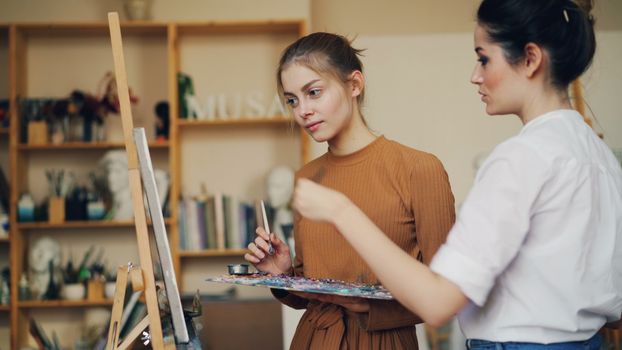
- $1 Art projects are used across subjects, from history reenactments to mathematical pattern design. - $1 Institutions like the National Gallery Prague and Moravian Gallery in Brno run tailored programs for students and teachers to experience art hands-on. - $1 Specialized professional development ensures educators understand how art can enhance all areas of the curriculum.This foundation supports a range of innovative programs across the country, each with its distinct methodology and focus.
.png)
Early Childhood: The “Malý Svět” Program
One of the most successful early childhood art initiatives is the “Malý Svět” (Little World) program, launched in 2015 in Prague and now present in over 60 kindergartens nationwide. It is based on the premise that introducing art at a young age supports emotional literacy and cognitive growth.
Key features of Malý Svět include:
- $1 Children engage with painting, sculpture, music, and movement, often inspired by Czech artists like Alfons Mucha or contemporary illustrators. - $1 Visual storytelling encourages language development and imaginative thinking. - $1 Regular exhibitions and “open studio” days connect families with their children’s creative journeys.A 2021 study by Charles University found that children participating in Malý Svět demonstrated a 15% higher rate of vocabulary acquisition and improved emotional articulation compared to peers in traditional programs. The initiative is widely cited as a model for early childhood integration of the arts.
Primary and Secondary Schools: The “Rozhýbejme školu” Movement
At the primary and secondary level, the “Rozhýbejme školu” (“Let’s Move the School”) movement showcases the Czech commitment to dynamic, art-infused learning. Founded in Brno in 2012, Rozhýbejme školu works with over 120 schools across the country.
Core elements include:
- $1 Art is used to illuminate STEM subjects, such as creating kinetic sculptures to explore physics. - $1 Students design and curate their own exhibitions, learning project management and teamwork. - $1 Projects often culminate in public events that foster school-community connections.Data collected in 2023 shows that participating schools report a 22% increase in student engagement and a 19% improvement in collaborative skills on average. This movement has inspired similar initiatives in neighboring Slovakia and Poland, further highlighting Czechia’s leadership.
Museums as Classrooms: The National Gallery’s “Art & Reflection” Program
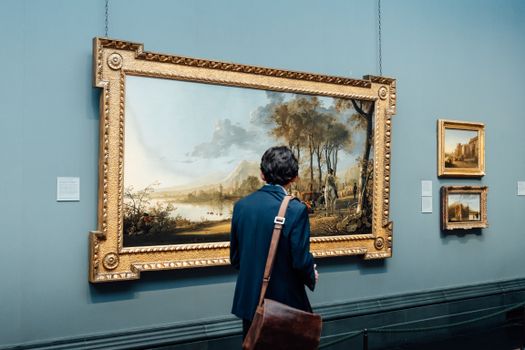
The National Gallery Prague (Národní galerie Praha, NGP) has pioneered the integration of museum resources into formal education. Its “Art & Reflection” program, established in 2010, serves more than 30,000 students annually.
Distinctive aspects of this program are:
- $1 Students move beyond passive viewing, participating in guided discussions, hands-on workshops, and creative tasks within the gallery space. - $1 Programs are tailored to match school subjects, from literature to social studies. - $1 NGP offers training sessions and teaching materials to help educators bring museum experiences back into the classroom.A survey conducted by NGP in 2022 revealed that 87% of teachers found students more motivated and better able to analyze complex topics after participating in “Art & Reflection.” The integration of museum resources is now seen as a best practice for Czech educational institutions.
Inclusive Education: “Arteterapie” in Special Needs Schools
The Czech Republic is also at the forefront of using art as a therapeutic and educational tool for students with special needs. “Arteterapie,” or art therapy, is widely implemented in both mainstream and specialized schools.
Highlights from successful art therapy programs include:
- $1 Students with developmental, emotional, or physical challenges use art to communicate and process experiences. - $1 Group murals and installations promote social skills and a sense of belonging. - $1 Certified art therapists work alongside educators to tailor interventions.A 2020 report by Masaryk University cited that over 70% of special needs schools in the Czech Republic employ some form of art therapy, with measurable improvements in student self-esteem and reduced behavioral issues.
Comparing Art-Based Educational Programs in the Czech Republic
Below is a comparative overview of the most prominent art-based educational programs discussed, highlighting their reach, target age group, and key outcomes.
| Program Name | Established | Age Group | Schools/Participants | Key Outcomes |
|---|---|---|---|---|
| Malý Svět | 2015 | 3-6 years | 60+ kindergartens | 15% higher vocabulary growth; improved emotional literacy |
| Rozhýbejme školu | 2012 | 6-15 years | 120+ schools | 22% higher engagement; 19% better collaboration |
| Art & Reflection (NGP) | 2010 | 6-19 years | 30,000+ students/year | 87% teachers report increased motivation and analytical skills |
| Arteterapie | Ongoing | All ages (special needs) | 70% of special needs schools | Improved self-esteem; reduced behavioral issues |
Higher Education and Teacher Preparation: The Janáček Academy Model
At the university level, the Janáček Academy of Music and Performing Arts (JAMU) in Brno stands out for its innovative teacher preparation programs. JAMU’s Faculty of Theater offers a specialized course—“Art in Education”—designed to prepare future educators to integrate artistic methods across subjects.
Key elements:
- $1 Trainees collaborate with artists, psychologists, and scientists to develop holistic lesson plans. - $1 Students complete supervised placements where they lead art-based workshops in local schools. - $1 JAMU regularly publishes impact studies, such as a 2022 report showing that schools employing JAMU-trained teachers saw a 30% increase in student creativity assessments.JAMU’s influence is evident as its graduates are frequently recruited by leading schools and cultural institutions, driving the next generation of educational innovation.
Broader Impacts: Art as a Catalyst for Social Inclusion and Civic Engagement
The Czech model of using art in education extends beyond academic achievement. Programs increasingly focus on social inclusion, intercultural understanding, and civic participation.
For example:
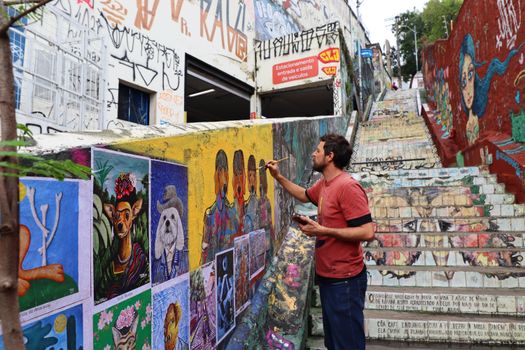
- $1 Art workshops in regions like Ústí nad Labem use collaborative murals and theater to bridge divides between Roma and non-Roma students. - $1 Schools partner with eco-artists to create installations highlighting sustainability and environmental stewardship. - $1 The “Město mladých” (City of Youth) festival invites students to design public art that addresses local challenges, such as accessibility or urban renewal.According to a 2023 survey by the Czech School Inspectorate, 68% of students involved in these projects reported a stronger sense of community and civic responsibility.
Final Reflections: The Future of Art-Based Education in the Czech Republic
The Czech Republic’s embrace of art as an educational tool stands as a beacon for other nations seeking to foster creativity, empathy, and critical thinking in their youth. Through a combination of early intervention, innovative cross-curricular programs, museum partnerships, and inclusive art therapy, Czech schools and institutions are shaping well-rounded, socially-conscious citizens. The evidence is clear: students engaged in art-based learning not only excel academically, but also develop the skills and values essential for 21st-century life.
As technology, society, and education evolve, the Czech commitment to art in learning ensures that creativity and human connection remain at the heart of the nation’s educational ethos. This model, grounded in tradition yet always innovating, offers valuable lessons for educators and policymakers worldwide.