The Impact of Digital Art on Traditional Art Forms: Evolution, Synergy, and Challenges
The art world has always thrived on innovation, with each new movement or medium prompting both excitement and debate. In recent decades, the rise of digital art has fundamentally transformed how we create, share, and appreciate visual culture. While some purists initially viewed digital art as a threat to established traditions, the reality is far more nuanced. Today, digital and traditional art forms exist in a dynamic relationship, influencing and enriching each other in ways that continue to reshape artistic expression.
This article explores the profound impact of digital art on traditional forms, examining how new technologies are altering techniques, aesthetics, the art market, and cultural perceptions. We’ll look at the synergies and tensions, the data behind the trends, and how artists and audiences are navigating this rapidly evolving landscape.
Defining Digital and Traditional Art: A Contemporary Context
To fully understand the impact, it’s crucial to clarify what we mean by “digital art” and “traditional art.”
.png)
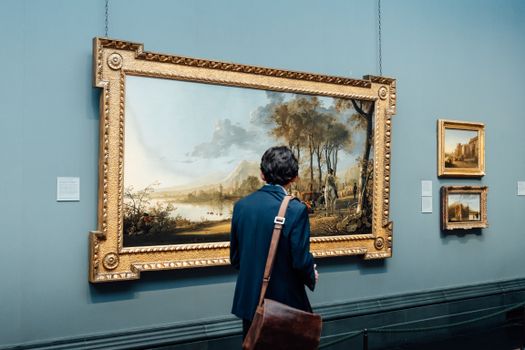
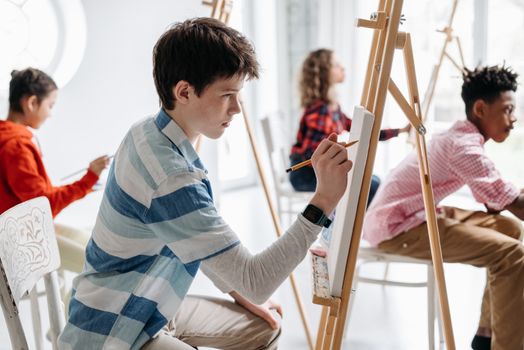
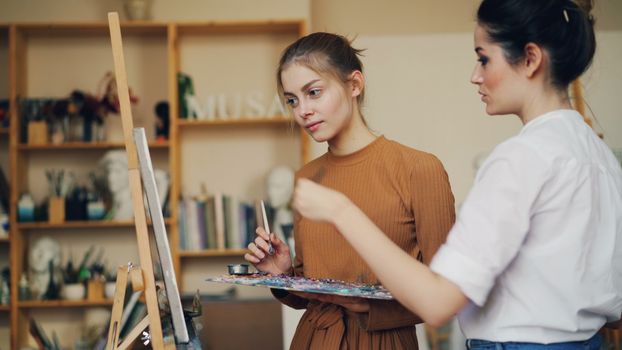
Traditional art encompasses mediums like painting, drawing, sculpture, printmaking, and photography—essentially, works created through physical processes and materials. These forms have centuries, even millennia, of history, with techniques passed down through generations.
Digital art, by contrast, refers to creations made or enhanced using digital technology. This includes digital painting, 3D modeling, digital collage, animation, and interactive media. A 2022 Art Basel report estimated that over 40% of young artists (under 35) identify primarily as digital creators, a dramatic increase from just 8% in 2010.
Yet the boundary between these categories is increasingly blurred. Many artists combine digital tools with analog techniques, challenging the notion that these are mutually exclusive domains. The convergence of these practices is at the heart of the transformation we see today.
Digital Tools Reshaping Artistic Techniques and Styles
One of the most significant impacts of digital art is the expansion of the artist’s toolkit. Software like Adobe Photoshop, Corel Painter, and Procreate allow creators to simulate brushes, textures, and color blending that once required years of physical mastery. Digital sculpting tools such as ZBrush and Blender have enabled intricate 3D art that would be time-consuming or impossible with traditional materials.
This shift has democratized access to artistic creation. According to data from Statista, over 32 million people worldwide used digital painting or illustration software in 2023. Many of these users had little to no formal art training, yet digital platforms offered them a way to experiment, iterate, and share work instantly.
Influences flow both ways. Digital artists often draw inspiration from classical composition, color theory, and subject matter, while traditional artists are increasingly incorporating digital sketches, photo references, and even augmented reality (AR) overlays into their workflow. For example, British painter David Hockney famously embraced the iPad as a new canvas, producing vibrant digital “paintings” exhibited alongside his oil works.
Market Dynamics: Digital Art’s Economic Ripple Effect
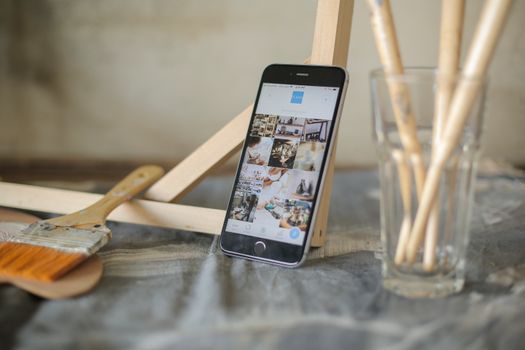
The commercial aspect of art has also been transformed by digital practices. Online marketplaces such as Etsy, Saatchi Art, and even Instagram have become vital platforms for selling both digital originals and traditional works. The rise of NFTs (non-fungible tokens) in 2021 brought digital art to mainstream auction houses, with Beeple’s digital collage “Everydays: The First 5000 Days” selling for $69.3 million at Christie’s.
But is digital art overtaking traditional art in sales and influence? Let’s compare some key market data:
| Aspect | Traditional Art (2023) | Digital Art (2023) |
|---|---|---|
| Global Market Value | $50.1 billion | $3.5 billion (including NFTs) |
| Top Auction Price | $195 million ("Shot Sage Blue Marilyn" by Andy Warhol) | $69.3 million ("Everydays" by Beeple) |
| Number of Active Artists | ~2.5 million | ~1.7 million |
| Annual Growth Rate | +3% | +18% |
While traditional art still commands a larger share of the market, digital art’s annual growth rate far outpaces its analog counterpart. This reflects both increasing adoption and a shift in collector demographics, with Millennials and Gen Z collectors showing greater interest in digital and hybrid works.
Cultural Perceptions and the Debate Over Authenticity
The emergence of digital art has sparked lively debates over authenticity, originality, and value. Critics sometimes argue that digital works lack the “aura” of a hand-made painting or sculpture—a concept famously discussed by philosopher Walter Benjamin in the 1930s. The ability to copy, remix, and rapidly distribute digital files challenges traditional notions of uniqueness.
However, digital artists and curators counter that value is not diminished by reproducibility. In fact, digital art can reach wider audiences, foster collaboration, and allow for new forms of interactivity—qualities that enhance its cultural relevance. Museums and galleries now regularly host exhibitions of digital and new media art, signaling growing institutional acceptance.
A 2021 survey by the U.S. National Endowment for the Arts found that 68% of Americans under 30 consider digital art forms (including video, VR, and interactive installations) as “legitimate” as traditional painting and sculpture. This generational shift in perception is reshaping what is considered “fine art” in the 21st century.
Collaboration and Hybridization: Where Digital Meets Traditional
Perhaps the most exciting impact of digital art is the emergence of hybrid practices. Artists are increasingly blending physical and digital elements to create works that defy easy categorization. Some notable examples include:
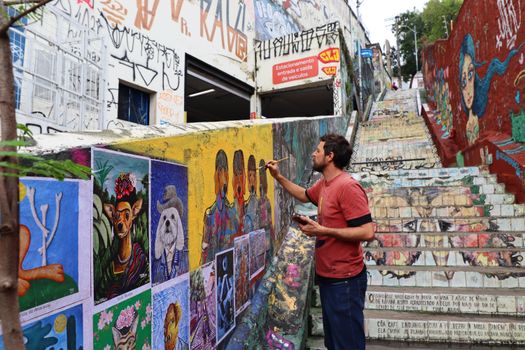
- Mixed media installations combining projection mapping with sculpture, such as teamLab’s immersive digital environments in Tokyo and Singapore, which attract millions of visitors annually. - Painters who use digital sketches as the foundation for oil or acrylic canvases, then digitally enhance photographs of the finished work. - Printmakers who create digital collages, then produce limited-edition physical prints using archival inks and papers. - Augmented reality (AR) overlays added to traditional murals or public sculptures, allowing viewers to experience animations or soundscapes through their smartphones.These hybrid approaches are not only expanding creative possibilities but also preserving traditional techniques in a new context. For example, the Google Arts & Culture “Art Transfer” project uses AI to analyze and apply classical painting styles to digital selfies, introducing millions to the visual language of past masters.
Education, Accessibility, and the Future of Artistic Practice
Digital art’s impact extends beyond professional artists and collectors; it is transforming art education and accessibility. Many art schools now teach digital techniques alongside traditional drawing and painting. In 2024, over 70% of accredited art programs in the U.S. included digital media in their core curriculum, according to the National Association of Schools of Art and Design.
Online tutorials, open-source software, and virtual workshops have opened the door for self-taught artists worldwide, regardless of location or financial means. Initiatives like The Sketchbook Project and DeviantArt’s monthly challenges encourage creative participation on a global scale.
However, this democratization comes with challenges. The sheer volume of digital content makes it harder for individual artists to stand out, and questions remain about how to protect intellectual property in a world of easy copying and sharing. As technology continues to evolve—think AI-generated art and virtual reality exhibitions—the boundaries between creator, consumer, and collector will become ever more fluid.
Final Thoughts: The Lasting Influence of Digital Art on Traditional Practices
Digital art has not replaced traditional methods, but it has fundamentally changed how art is made, shared, and valued. The most successful artists today often draw from both digital and analog toolkits, fusing techniques to create work that resonates across generations and cultures.
Rather than diminishing the importance of traditional forms, digital innovation has revitalized interest in painting, drawing, and sculpture by providing new contexts and audiences. As the art world continues to adapt, the dialogue between digital and traditional will only deepen, producing hybrid forms and fresh creative possibilities.
The enduring lesson is this: All art evolves, and each era’s tools become part of the ongoing story. In embracing both the digital and the traditional, artists and audiences alike can look forward to a future where creative boundaries are limited only by imagination.