Climate change is not only transforming our environment but also reshaping the world of art. Across the globe, artists are responding to the climate emergency, and in the Czech Republic, this transformation is especially vibrant. Czech artists are using their creativity to confront ecological issues, raise awareness, and imagine sustainable futures. Their work reflects a unique intersection of artistic tradition, local landscapes, and global concern. This article explores how climate change and ecological challenges are influencing the Czech art scene, the strategies artists employ, the impact on galleries and public spaces, and how audiences are responding to this wave of eco-conscious creativity.
The New Canvas: Climate Change as Artistic Inspiration in the Czech Republic
Art has always mirrored society’s hopes, fears, and challenges. Today, climate change is emerging as one of the most urgent themes in Czech contemporary art. According to a 2022 survey by the Czech Arts Council, more than 38% of professional Czech artists reported that ecological concerns had a significant impact on their recent work. This marks a clear shift from previous decades, where political and social themes dominated.
Artists such as Krištof Kintera, Veronika Richterová, and Zuzana Lednická are notable for integrating environmental themes into their practice. Kintera’s large-scale installations, often constructed from reclaimed materials, critically examine consumer society and wastefulness. Richterová is renowned for her PET-ART sculptures—creations made from recycled plastic bottles, highlighting issues of plastic pollution in rivers and forests.
.png)
For many Czech creators, climate change is more than a subject; it’s a call to action. The Czech landscape, marked by shifting weather patterns, droughts, and forest dieback, provides both a warning and a source of inspiration. Rural artists, in particular, draw on their first-hand experiences with changing seasons and ecosystems, translating these observations into powerful visual narratives.
Mediums and Messages: Innovative Approaches in Eco-Art
Czech artists are not only changing what they depict—they’re also rethinking how art is made. Materials and methods are being scrutinized through a green lens. Traditional oil paints and canvases are increasingly replaced by sustainable alternatives: natural pigments, recycled objects, biodegradable supports, and even living plants.
One striking trend is the use of “site-specific” installations that interact with their environment. For example, the 2023 “Forest Echoes” exhibition in Brno featured works that responded to the surrounding woodland, with sculptures that changed color with rainfall or decomposed naturally over time. This approach reinforces the message of impermanence and the interconnectedness of human and natural systems.
Digital art—once considered environmentally neutral—has also come under scrutiny due to the high energy consumption of server farms and NFTs. Several Czech digital artists are now exploring “low-carbon” or “green” digital practices, such as optimized coding and renewable-powered hosting.
Performance art and community-based projects are also gaining traction. The “Vltava River Clean-up” initiative, led by a collective of Prague-based artists in 2022, combined art-making with river restoration, engaging over 500 volunteers and collecting more than 2 tons of waste. This merging of art and activism demonstrates how creativity can be a practical force for ecological change.
Institutional Shifts: Galleries, Museums, and Eco-Conscious Curation
As artists adapt, so too do the institutions that support them. Czech galleries and museums are increasingly embracing ecological themes and sustainable practices. The National Gallery Prague, for instance, has pledged to reduce its carbon footprint by 30% by 2027, implementing energy-saving technologies and eco-friendly exhibition materials.
Below is a comparative table illustrating how leading Czech art institutions are responding to ecological challenges:
| Institution | Key Eco-Initiatives | Notable Eco-Art Exhibitions (2020-2024) |
|---|---|---|
| National Gallery Prague | LED lighting, sustainable packaging, public eco-lectures | “Climate Dialogues” (2021), “Nature Reclaimed” (2023) |
| Moravian Gallery in Brno | Solar panels, plastic-free policies, climate workshops | “Forest Echoes” (2023), “Eco-Visions” (2022) |
| DOX Centre for Contemporary Art | Green roof, recycled exhibition materials, eco-artist residencies | “Anthropocene Reflections” (2024), “Water Lines” (2022) |
These institutions not only showcase climate-conscious art but strive to “walk the talk” by minimizing their own environmental impact. Some have even formed partnerships with environmental NGOs, amplifying the educational and social dimensions of their exhibitions.
From Protest to Participation: Eco-Art as Civic Engagement
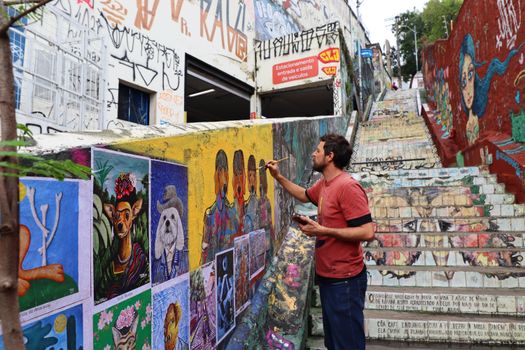
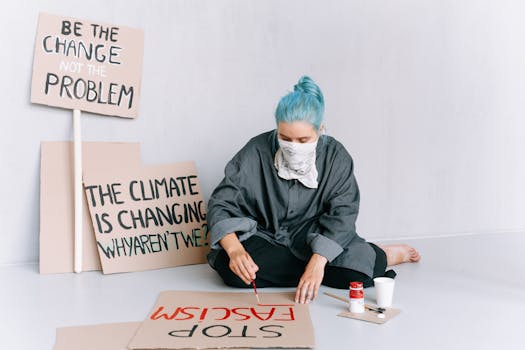
Ecological art in the Czech Republic is not confined to gallery walls. Increasingly, it spills into public spaces, protests, and community projects, blurring the lines between art and activism. Czech “eco-artivists” use murals, land art, and participatory performances to bring climate discourse directly to the public.
One example is the “Art for the Climate” mural series in Ostrava, where artists collaborated with local schools to create large-scale works addressing air pollution and coal dependency. These murals not only beautify urban spaces but also serve as enduring reminders of ecological challenges and community resilience.
Art festivals with a green ethos are also on the rise. The annual “Landscape Art Days” in South Bohemia brings together artists, scientists, and villagers to create temporary installations that highlight fragile local ecosystems. In 2023, the festival attracted over 3,000 visitors and prompted a petition that led to the creation of a new protected wetland zone.
Through such initiatives, art becomes a catalyst for dialogue, education, and tangible environmental outcomes. According to the Czech Environmental Partnership Foundation, over 60% of participants in eco-art events reported increased awareness and a greater willingness to adopt sustainable behaviors.
The Czech Art Market and the Value of Eco-Conscious Art
While environmental themes are reshaping the creative process, they are also influencing the art market itself. Collectors and galleries are increasingly seeking “eco-friendly” works, both for their social relevance and their lower carbon footprint. Artworks that use recycled materials or promote sustainability are often highlighted in exhibitions and sales.
According to a 2023 report by the Czech Art Market Association, sales of environmentally-themed art grew by 24% between 2020 and 2023. Meanwhile, eco-art competitions and grants—such as the “Green Palette Award”—provide new platforms for emerging artists to gain recognition and financial support.
However, this trend is not without its challenges. Some critics argue that the commercialization of eco-art risks diluting its activist message. Others point to the need for better standards and transparency regarding what qualifies as “sustainable art.” Nevertheless, the momentum is clear: ecological issues are now a driving force in both the production and consumption of Czech art.
Challenges and Opportunities for Czech Artists in the Climate Era
The intersection of art and ecology is rich with creative possibilities but also fraught with dilemmas. Czech artists face the challenge of staying authentic while responding to the growing demand for environmentally conscious work. Balancing aesthetics, activism, and market demands is a delicate act.
Access to sustainable materials can be costly or limited, especially for young or rural artists. Moreover, translating complex scientific concepts—like biodiversity loss or carbon cycles—into accessible visual language requires both research and innovation.
Yet, these challenges have spurred new forms of collaboration. Artists are increasingly partnering with scientists, NGOs, and local governments to create projects that are both impactful and credible. For example, the “Climate Mosaic” project in Pilsen brought together artists, climatologists, and schoolchildren to co-create a public mural visualizing future climate scenarios.
Looking forward, Czech artists have the opportunity to play a leading role in shaping public attitudes and policies regarding climate change. Their ability to communicate urgency, hope, and solutions through visual storytelling is more vital than ever.
Final Reflections: Art’s Role in Navigating the Climate Crisis
As climate change accelerates, Czech artists are at the forefront of cultural adaptation and innovation. Their work transcends aesthetics, serving as a bridge between science, activism, and the broader public. By experimenting with new materials, engaging communities, and challenging institutions, they are redefining what it means to be an artist in the 21st century.
The transformation of Czech art in the era of climate change is not just about new subjects or styles—it reflects a deeper shift in values. It asks artists, audiences, and institutions alike to reconsider their relationship with the natural world and to envision a more sustainable future.