The Transformative Power of Art: How Art Becomes a Tool for Social Change in the Czech Republic
Art has always been a powerful mirror of society, reflecting its triumphs, struggles, and unresolved tensions. In the Czech Republic, a nation with a rich cultural legacy and a complex political history, art has repeatedly emerged as an engine for social change. From dissident theater troupes during communism to contemporary public installations that challenge social norms, Czech artists have harnessed creativity to ignite dialogue, inspire activism, and reshape collective consciousness. In this article, we explore how art continues to play a vital role in fostering social change across the Czech Republic, examining its historical roots, modern manifestations, and measurable impact on society.
The Legacy of Dissent: Art’s Role During Czech Communism
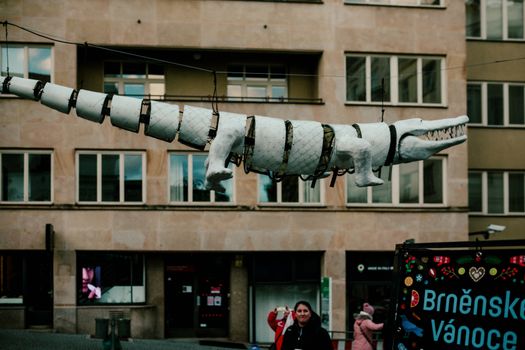
The Czech Republic’s history under communist rule (1948–1989) set a unique stage for art as a form of resistance. With direct political criticism suppressed, artists turned to symbolism, satire, and covert action. Theater groups like Divadlo Járy Cimrmana and visual artists such as David Černý used wit and allegory to critique the regime. Samizdat literature, or underground publishing, flourished — by 1988, over 400 samizdat titles were circulating, according to the Czech National Library.
.png)
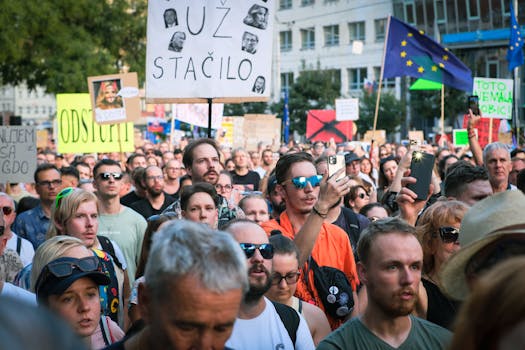
Perhaps the most iconic example is the Velvet Revolution of 1989, where artists played a direct role. Václav Havel, a playwright and dissident, became the movement’s moral leader and later the country’s first post-communist president. The Civic Forum, which organized mass protests, was founded in theaters and art spaces, and rallies often featured poetry readings, songs, and visual art banners. Art was not just a reflection of discontent; it was a catalyst for change.
Public Art in Prague: Shaping the Urban Social Fabric
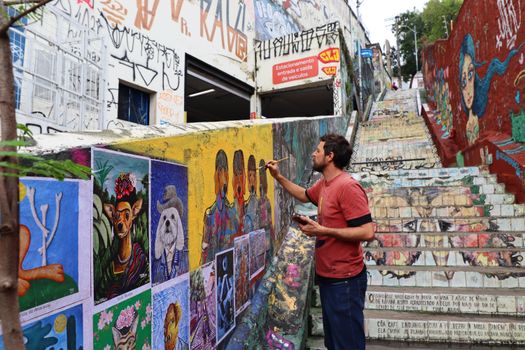
In the decades following democratization, public art in the Czech Republic has become a vibrant platform for social engagement. Installations and street art in Prague and other cities address issues ranging from homelessness to LGBTQ+ rights and environmental sustainability.
One notable case is the “Lennon Wall” in Prague, which became a living canvas for anti-communist graffiti in the 1980s and has since evolved into a symbol of free expression and peaceful protest. In 2019, the wall was repainted with the message “Wall Is Over” as a call for unity and action on climate change, drawing thousands of visitors and igniting nationwide debate.
Contemporary Czech artists like Kateřina Šedá use participatory art to involve local communities directly. Her 2011 project in the town of Bedřichovice engaged all 327 residents in a collective action to highlight rural depopulation and social isolation, later exhibited at Tate Modern in London. Such projects empower marginalized voices and foster a sense of agency among participants.
Art as Advocacy: Tackling Social Issues Head-On
Beyond symbolism, Czech artists and organizations increasingly use art as advocacy, targeting specific social issues. The NGO “Art for Amnesty” collaborates with Czech artists to create works highlighting human rights abuses. In 2022, the group organized a traveling exhibition of protest art in response to the war in Ukraine, drawing over 15,000 visitors across five Czech cities.
Street art campaigns have also been instrumental in raising awareness about domestic violence. The “Silence Hurts” mural project in Brno, launched in 2021, collaborated with local shelters to create large-scale artworks addressing the taboo of abuse. Surveys by the Czech Women’s Lobby indicate that 1 in 5 Czech women have experienced domestic violence, yet less than 10% seek help. Public art initiatives like these help break the silence and encourage victims to seek support.
Artists are also at the forefront of environmental activism. The “Save the Bees” sculpture series, installed in Prague’s parks in 2023, combined art with educational workshops, reaching over 8,000 children and families. According to the Czech Statistical Office, the campaign coincided with a 12% increase in local pollinator-friendly gardens, demonstrating a tangible behavioral impact.
Czech Art Collectives and Their Social Impact
The rise of artist collectives and interdisciplinary projects has amplified art’s influence on Czech society. Groups like Ztohoven, known for their provocative public interventions, have repeatedly sparked national conversations. For example, in 2015, Ztohoven replaced the Czech presidential flag with a giant pair of red boxer shorts atop Prague Castle, ridiculing political corruption and attracting international media attention.
Other collectives focus on integration and inclusion. The “Romane Kale Panthera” group uses theater and visual arts to challenge stereotypes about the Roma minority, which comprises an estimated 2.2% of the Czech population (Czech Statistical Office, 2021). Their workshops and performances in Ostrava and Brno have involved over 1,200 participants, fostering dialogue between Roma and non-Roma communities.
To provide a snapshot of the variety and reach of Czech art collectives, see the table below:
| Collective Name | Focus Area | Notable Project | Audience/Reach |
|---|---|---|---|
| Ztohoven | Political Satire | Prague Castle Boxer Shorts (2015) | National, International Media |
| Romane Kale Panthera | Roma Rights & Inclusion | Community Theater Workshops | 1,200+ Participants |
| Art for Amnesty | Human Rights | Ukraine Protest Art Exhibition (2022) | 15,000 Visitors |
| Prague Pride Arts | LGBTQ+ Awareness | Annual Queer Art Festival | 10,000+ Attendees |
| Kateřina Šedá Projects | Community Engagement | Bedřichovice 2011 | 327 Residents, International Audience |
Digital Art and Social Media: New Frontiers for Activism
As digital technology reshapes daily life, Czech artists are finding innovative ways to use online platforms for social change. Social media campaigns, virtual exhibitions, and digital art projects can reach younger audiences and bypass traditional gatekeepers.
During the COVID-19 pandemic, digital art became a lifeline for social activism. The 2020 “Art Against Isolation” virtual gallery showcased works by over 80 Czech artists responding to themes of loneliness and resilience, attracting more than 45,000 online visitors in three months. Instagram accounts like @czechstreetart document and amplify street art addressing feminism, climate change, and migration.
Crowdfunding platforms such as HitHit.cz have enabled artists to fund socially engaged projects directly. In 2022, over 150 art-related campaigns were successfully funded, raising more than CZK 19 million (approx. $800,000 USD). These platforms democratize art production, allowing grassroots voices to emerge and sustain themselves.
Measuring the Impact: Art’s Real-World Outcomes in Czech Society
While art’s influence can be difficult to quantify, several studies and surveys provide insight into its social impact in the Czech Republic. According to a 2021 poll by the STEM research agency, 64% of Czechs believe that art can help address social problems, and 58% have engaged with an art project or exhibition with a social message in the past year.
Public art is also linked to increased civic participation. A 2020 study by Charles University found that neighborhoods with active public art projects reported 22% higher rates of volunteerism and community event participation. Moreover, art-based interventions in schools, such as theater-in-education programs, have been shown to improve empathy and reduce bullying, according to research by the Czech Society for Arts in Education.
Economic impact is another factor. Arts and cultural industries in the Czech Republic employ over 140,000 people (Czech Statistical Office, 2022) and generate significant secondary benefits for tourism and local businesses, especially when linked to social initiatives.
Reflections: The Continuing Evolution of Art for Social Change in the Czech Republic
From its roots in resistance against authoritarianism to its current role in advocacy and community building, art in the Czech Republic remains a dynamic tool for social change. As society faces new challenges—ranging from political polarization and minority rights to environmental threats—artists and collectives continue to innovate, using their creativity to foster dialogue, empathy, and action.
The Czech experience demonstrates that art is not merely decorative or escapist. It is a living force that shapes how people see themselves, relate to each other, and imagine a better future. With public support, technological innovation, and a commitment to inclusivity, Czech artists are poised to keep driving meaningful change for generations to come.