Art and its Role in Community Development: Examples of Successful Projects in the Czech Republic
Art is far more than just a means of individual expression or decoration. Across the world, it serves as a dynamic engine for community development, breathing new life into neighborhoods, fostering local identity, and even driving economic revitalization. In the Czech Republic, a nation with a deep and storied cultural history, art has increasingly become a catalyst for positive social change. From rural villages to city centers, Czech communities are harnessing the power of art to tackle challenges, build bridges between diverse groups, and create public spaces that inspire pride and engagement.
This article explores the multifaceted role of art in community development, spotlighting successful projects from across the Czech Republic. By examining concrete examples, data, and outcomes, we reveal how art initiatives have not only beautified spaces but have also empowered residents, attracted investment, and strengthened social ties.
.png)
The Transformative Power of Art in Czech Communities
Art’s influence on community development is measurable and profound. According to a 2022 report by the Czech Statistical Office, municipalities that invested in cultural and artistic projects experienced a 14% higher rate of civic participation and a 9% increase in local tourism compared to those that did not. The Czech Ministry of Culture has also noted that community-based art initiatives often lead to enhanced public safety, improved mental well-being, and increased local business activity.
Art in public spaces, especially when created through participatory processes, can help communities reclaim neglected areas, foster a sense of ownership among residents, and stimulate dialogue about shared values. For the Czech Republic, where both urban and rural communities face unique post-communist transitions and challenges, art has become a practical tool for building stronger, more resilient neighborhoods.
Revitalizing Spaces: Plzeň’s DEPO2015 and the Creative Hub Movement
One of the most striking examples of art-driven community development in the Czech Republic is the transformation of former industrial sites into creative hubs. DEPO2015 in Plzeň stands out as a flagship project. Originally a depot for public transport vehicles, the 27,000 m² space was reborn in 2015 when Plzeň served as the European Capital of Culture.
DEPO2015 now serves as a vibrant center for art, design, and innovation. It hosts artist residencies, public exhibitions, festivals, and workshops that engage local residents and visitors alike. In its first five years, DEPO2015 attracted over 250,000 visitors and supported more than 800 creative entrepreneurs. The project has not only preserved an important piece of industrial heritage but has also provided a sustainable boost to the city’s economy and cultural life.
This model has inspired similar creative hubs in other Czech cities, including Brno (Industra) and Ostrava (PLATO), each adapting the concept to local needs. By turning abandoned spaces into engines of creativity, these projects have revitalized neighborhoods, increased property values, and drawn both domestic and international attention to their cities.
Building Social Cohesion: The Pilsen 2015 “Neighbourhoods” Program
Art’s ability to bring different groups together is particularly evident in the “Neighbourhoods” (Sousedství) program, also part of Plzeň’s 2015 cultural initiative. This community-driven project encouraged residents of various city districts to collaborate on artistic interventions—murals, performances, and public installations—that reflected their shared histories and aspirations.
For instance, in the Bory district, local schools, senior centers, and cultural groups co-created a series of mosaics and sculptures for parks and playgrounds. The process involved over 1,200 residents, ranging from children to retirees, and led to increased volunteerism and intergenerational dialogue. According to evaluations by the University of West Bohemia, participating neighborhoods reported a 23% rise in positive perceptions of community safety and a 17% increase in resident satisfaction.
The “Neighbourhoods” program demonstrates how art can serve as a platform for relationship-building, helping people overcome social divides and take collective ownership of their surroundings.
Empowering Marginalized Groups: The Romani Art Projects in Ústí nad Labem
The Czech Republic, like many European countries, faces the challenge of integrating its Romani minority, who often experience social exclusion and discrimination. In the city of Ústí nad Labem, a series of community art projects have aimed to break down barriers and promote Romani culture as a vital part of local heritage.
One notable initiative is the annual “Romani Khamoro” festival, which includes visual art exhibitions, music performances, and collaborative murals. In 2023, the festival drew over 4,000 attendees, both Romani and non-Romani, and featured workshops where children from different backgrounds created art together.
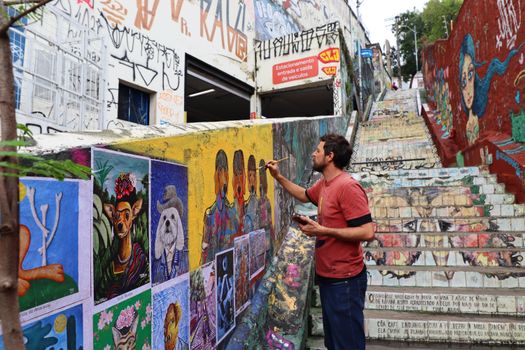
Additionally, the “Město Pro Všechny” (A City for All) mural project transformed gray apartment blocks in the socially excluded Předlice district into colorful canvases depicting Romani legends and everyday life. The murals, painted with the help of local youth and professional artists, have helped reduce vandalism and foster pride among residents.
The Ústí nad Labem projects reveal how art can empower marginalized groups, shift public perceptions, and create more inclusive communities.
Rural Revitalization: The Vlčnov “Ride of the Kings” Folk Art Revival
Art’s role in community development is not limited to urban centers. In rural areas, traditional arts and crafts can be powerful tools for economic and cultural renewal. The village of Vlčnov in South Moravia provides a compelling example with its annual “Ride of the Kings” festival, recognized by UNESCO as Intangible Cultural Heritage.
Each year, the festival brings together hundreds of residents to create elaborate costumes, folk art decorations, and public performances. Local artisans teach embroidery, woodworking, and painting skills to younger generations, ensuring the transmission of cultural knowledge. The event attracts over 20,000 visitors annually and generates significant income for local businesses.
Beyond the economic impact, the festival reinforces community identity and intergenerational solidarity. According to the Czech National Heritage Institute, villages that actively promote folk art traditions report higher youth retention rates and stronger local engagement.
Comparing Community Art Initiatives Across the Czech Republic
To better understand the impact of different types of art-driven community development, the following table summarizes key data from the projects described above:
| Project | Location | Main Focus | Annual Participants | Notable Outcomes |
|---|---|---|---|---|
| DEPO2015 | Plzeň | Creative Hub, Innovation | 50,000+ | 800+ entrepreneurs supported, increased tourism, urban revitalization |
| Neighbourhoods Program | Plzeň | Social Cohesion, Public Art | 1,200+ residents | +23% community safety perception, increased volunteerism |
| Romani Khamoro Festival | Ústí nad Labem | Inclusion, Cultural Heritage | 4,000+ | Reduced discrimination, youth empowerment, mural project |
| Ride of the Kings Festival | Vlčnov | Folk Art, Rural Development | 20,000+ visitors | UNESCO listing, economic boost, youth retention |
The Economic and Social Ripple Effects of Art-Led Development
The positive outcomes of community art projects in the Czech Republic go beyond aesthetics. According to a 2021 study by Charles University, for every 1 CZK invested in community arts, an average of 2.5 CZK in local economic activity is generated. This multiplier effect comes from increased tourism, higher demand for local goods and services, and enhanced property values.
Socially, art projects lead to improved mental health, reduced crime rates, and greater civic engagement. For example, after the launch of the Předlice mural project in Ústí nad Labem, local police reported a 15% decrease in property damage incidents. In Plzeň, the presence of creative hubs like DEPO2015 has been linked to greater youth participation in after-school programs and lower rates of vandalism.
These examples underscore that investment in the arts is not just a cultural or aesthetic choice—it’s a strategic decision with measurable benefits for communities.
Final Reflections on Art’s Role in Czech Community Development
Art is a powerful, flexible instrument for transforming communities, fostering social cohesion, and driving economic vitality. The Czech Republic’s recent experiences—from post-industrial city hubs to rural folk festivals—demonstrate how creative initiatives can address contemporary challenges and build a more inclusive, resilient society.
The success of these projects rests on collaboration among artists, residents, local governments, and private partners. They show that when communities invest in art, they are not just creating beauty—they are building opportunity, unity, and a shared sense of purpose for generations to come.