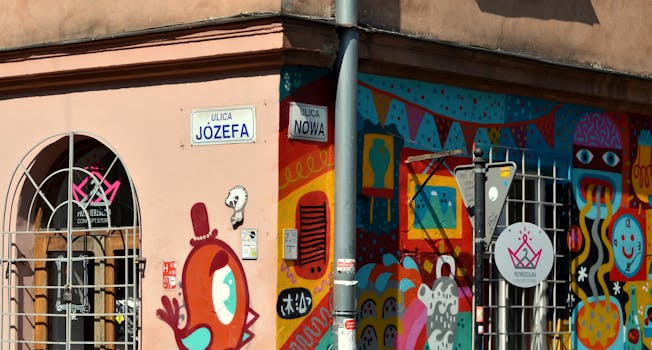
Street art in Czech cities is more than just colorful splashes on concrete walls—it is an evolving cultural phenomenon with deep roots and far-reaching influence. Over the past three decades, the urban landscape of the Czech Republic has transformed into a living gallery, where murals, graffiti, stencils, and installations both reflect and shape local identity. As Czech cities like Prague, Brno, and Ostrava increasingly embrace street art, they invite residents and visitors alike to engage in a dialogue about history, politics, creativity, and community. But what is the true significance of street art in these urban environments, and how does it influence Czech culture at large? Let’s explore the multifaceted role of street art in Czech cities and its impact on local culture.
The Rise of Street Art in the Czech Republic: A Brief Overview
Street art in the Czech Republic began gaining traction in the early 1990s, following the Velvet Revolution and the fall of communism. The new era of political freedom unleashed a wave of creative expression, and Czech cities quickly became fertile grounds for public art. While graffiti had existed prior to 1989, it was largely underground and often suppressed by authorities. The post-revolution years, however, saw the appearance of large-scale murals, political stencils, and experimental installations.
Today, street art is recognized as an important component of Czech urban culture. According to a 2022 survey by the Czech Ministry of Culture, 68% of residents in Prague and Brno view street art as an essential element of their city’s character. The annual Street Art Festival in Brno, launched in 2014, now attracts over 15,000 visitors each year, highlighting the growing interest in this art form.
.png)
Street Art as a Mirror of Social Change
One of the most significant aspects of street art in Czech cities is its role as a mirror for social and political change. From the famous Lennon Wall in Prague—an ever-evolving mural covered in messages of peace, love, and protest—to more recent works addressing climate change or government policy, street art gives voice to marginalized communities and emerging social movements.
Street art is often used to commemorate historical events or pay tribute to local heroes. For instance, after the passing of Czech singer Karel Gott in 2019, artists in Prague created several murals in his honor, instantly becoming places for public mourning and celebration. Similarly, works addressing the 1968 Prague Spring or the 1989 Velvet Revolution serve as open-air reminders of the country’s turbulent past.
Importantly, street art offers a platform for dissent. In 2021, a series of stencils appeared in Brno criticizing proposed housing laws. Within days, these images had sparked national media attention and public debate, illustrating the unique power of street art to galvanize civic engagement.
Transforming Urban Spaces: From Grey to Vibrant
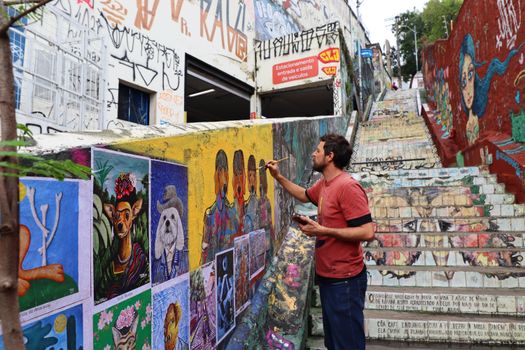
Street art has played a pivotal role in revitalizing neglected or overlooked parts of Czech cities. Many neighborhoods that were once considered unremarkable or even unsafe have been transformed through art. In Ostrava’s former industrial district, for example, large-scale murals now adorn factory walls, attracting tourists and encouraging new businesses to open nearby.
This transformation is not accidental. City councils in Prague, Brno, and Plzeň have begun to officially commission street artists to create works on public buildings, underpasses, and parks. According to data from the City of Prague, over 120 legal street art projects were completed on municipal property between 2018 and 2023. As a result, districts like Žižkov in Prague and Cejl in Brno have experienced notable increases in foot traffic and local business revenue.
Below is a comparison table highlighting the impact of street art on selected Czech cities:
| City | Major Street Art Initiatives (2018-2023) | Increase in Local Tourism (%) | New Businesses Opened (related to art/tourism) |
|---|---|---|---|
| Prague | 120+ | 14% | 45 |
| Brno | 85 | 11% | 30 |
| Ostrava | 60 | 9% | 22 |
These numbers illustrate a clear trend: investment in street art correlates with increased urban vibrancy and economic activity.
Street Art and Community Identity
Beyond aesthetics and tourism, street art plays a crucial role in shaping community identity in Czech cities. Unlike traditional public monuments, which often reflect official narratives, street art is typically created by and for local residents. This grassroots approach fosters a sense of ownership and pride.
For example, the mural project in Brno’s Lesná district involved over 300 local residents—including children and seniors—who helped design and paint a 150-meter-long wall in 2022. The project not only beautified the neighborhood but also strengthened community bonds. According to a post-project survey, 92% of participants felt more connected to their neighborhood as a result.
Street art also helps to highlight the unique character of different districts. In Prague’s Vršovice, whimsical murals by the artist Pasta Oner have become local landmarks, while Ostrava’s Karolina district boasts industrial-themed works reflecting its mining heritage. These artistic interventions signal to residents and visitors alike that each neighborhood has its own story to tell.
Challenges and Controversies Surrounding Street Art
Despite its many benefits, street art in Czech cities is not without controversy. The line between art and vandalism remains a hotly debated topic, particularly when unauthorized graffiti appears on historical buildings or private property. In 2022 alone, Prague’s municipal cleaning service spent over 30 million CZK (about 1.3 million USD) on graffiti removal from protected sites.
Efforts to balance artistic freedom with property rights have led to the establishment of legal graffiti walls in several cities. These designated spaces allow artists to create without fear of prosecution, while helping to reduce illegal tagging elsewhere. However, critics argue that street art loses some of its edge and authenticity when confined to official spaces.
There is also ongoing debate about the commercialization of street art. As murals become popular tourist attractions, some fear that the original intent—to challenge norms and provoke thought—may be diluted. Nevertheless, most experts agree that when managed thoughtfully, street art can coexist with heritage preservation and urban development.
Street Art as a Cultural Bridge: Connecting Czech Cities with the World
Street art in Czech cities is not limited by national borders. International street artists frequently participate in festivals and collaborative projects, bringing new techniques and perspectives. For instance, the 2023 Prague Street Art Festival featured artists from 12 countries, including Spain, Brazil, and South Korea.
These exchanges foster cross-cultural understanding and place Czech cities on the global street art map. In 2021, Lonely Planet ranked Prague among the top 10 European cities for street art, citing its dynamic mix of local and international talent.
Moreover, Czech street artists themselves are increasingly visible abroad. The Prague-based collective Point Crew has completed high-profile projects in Berlin and Vienna, while Brno artist Timo’s satirical stencils have been exhibited in London and Paris.
The Lasting Impact of Street Art on Czech Urban Culture
The significance of street art in Czech cities extends far beyond the walls it adorns. It is a living, breathing testament to the country’s evolving identity—a space where memory, protest, hope, and humor all find expression. As Czech cities continue to grow and change, street art will undoubtedly remain at the heart of their cultural landscapes.
From revitalizing neighborhoods and boosting tourism to sparking important social debates, street art’s influence is both visible and profound. It challenges residents to see their surroundings in new ways and invites visitors to experience the Czech Republic not just as a destination, but as a canvas for creativity and change.