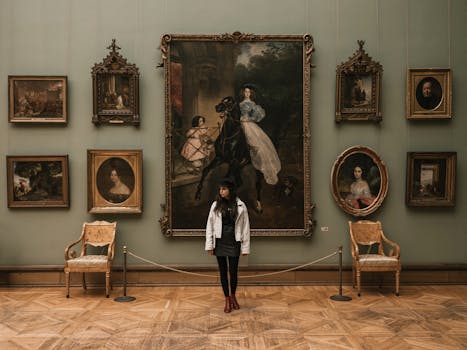
Preparing for an art exhibition is a pivotal milestone in any artist’s career. Whether it’s your first solo show or a group exhibition, the process involves much more than simply hanging your artwork on the walls. Meticulous preparation ensures your work is presented professionally, your story is communicated clearly, and visitors leave with a lasting impression. This comprehensive guide offers practical, actionable steps for artists to prepare for an art exhibition, covering logistics, presentation, audience engagement, and self-promotion.
The Importance of Strategic Planning for Art Exhibitions
Strategic planning is the foundation of a successful art exhibition. Without a clear roadmap, even the most stunning artwork can get lost in logistical chaos. According to a 2022 survey by Art Basel, over 68% of emerging artists reported that inadequate preparation led to stress and missed opportunities during their first exhibition. To avoid such pitfalls, artists should begin planning at least three to six months in advance.
Start by clarifying the exhibition’s purpose. Is it to sell art, gain exposure, or connect with a particular audience? Define your goals and work backward, breaking the preparation into manageable steps. Make detailed checklists for tasks such as selecting works, framing, transportation, promotional materials, and follow-up activities. Regularly review your progress and adjust your timeline as needed.
.png)
Selecting and Preparing Artwork: Quality Over Quantity
One of the most common challenges artists face is deciding which pieces to include in an exhibition. While it may be tempting to display as much work as possible, curators and art advisors consistently emphasize the importance of cohesion. A focused selection tells a stronger story and invites deeper engagement.
Begin by reviewing your portfolio and identifying works that share a common theme, technique, or narrative. Consider the exhibition space’s size and layout—overcrowding can overwhelm viewers, while too few pieces can make the space feel sparse. Aim for a balance that allows each artwork to breathe.
Once selected, inspect each piece for damage, dust, or imperfections. Properly frame and finish your works using archival materials to protect them during transit and display. Label each work on the back with your name, the title, medium, and dimensions. Document each piece with high-quality photographs for catalogues, insurance, and promotional purposes.
Logistics: From Transport to Installation
Logistics can make or break an exhibition. A 2021 report by the International Council of Museums found that 34% of art damages occur during transportation. To safeguard your work, invest in sturdy packaging materials such as bubble wrap, foam corners, and custom-sized boxes. If your pieces are particularly valuable or fragile, consider hiring professional art handlers or a specialized courier service.
Coordinate with the venue to understand installation requirements. Will you be responsible for hanging the work, or does the gallery provide staff? Familiarize yourself with the space by visiting beforehand, taking measurements and photos to plan your layout. Prepare a hanging plan or mock-up to visualize spacing and arrangement.
On installation day, arrive early with all necessary tools—measuring tape, level, hanging hardware, and gloves. Allow extra time for adjustments and unexpected challenges. Once installed, inspect the lighting and make sure labels are accurately placed and legible.
Crafting a Compelling Narrative and Engaging Materials
A successful exhibition is not just about artwork; it’s about storytelling. Visitors connect more deeply when they understand the ideas and experiences behind each piece. Prepare an artist statement that contextualizes your work within the exhibition. This should be concise (150–300 words), written in clear language, and tailored to the show’s theme.
Create wall texts or labels for each piece, including the title, year, medium, and a brief description or insight. These materials should be visually consistent and easy to read, usually printed on high-quality cardstock or mounted plaques.
Additionally, consider producing a catalogue or brochure. In 2023, 48% of galleries reported that take-home materials increased visitor engagement and sales. Brochures can include artist bios, statements, images, and price lists, serving as both a souvenir and a sales tool.
Promoting Your Exhibition: Reaching and Engaging Your Audience
Effective promotion is crucial for a successful exhibition. Start marketing four to six weeks before the opening. Build a media kit with press releases, artwork images, and your artist statement. Reach out to local newspapers, online art publications, and community event listings.
Leverage social media platforms—Instagram, Facebook, and LinkedIn are particularly effective for visual artists. Create a content calendar with regular posts showcasing behind-the-scenes preparation, sneak peeks of artworks, and personal reflections on your process.
Email invitations to your network, including collectors, fellow artists, curators, and friends. According to a 2022 Artsy study, exhibitions with email campaigns saw 27% higher opening night attendance. Don’t forget to ask the venue to promote the event through their channels.
For in-person engagement, prepare business cards or postcards with your contact information and website. These are invaluable for networking and follow-up.
Comparing Solo vs. Group Exhibitions: Key Differences
Choosing between a solo and group exhibition impacts your preparation, responsibilities, and potential outcomes. Here’s a comparison table highlighting the main differences:
| Aspect | Solo Exhibition | Group Exhibition |
|---|---|---|
| Preparation Time | Longer (3-6 months) | Shorter (2-4 months) |
| Number of Works | 10-30 pieces | 2-5 pieces per artist |
| Marketing Responsibility | Mainly on the artist | Shared with other artists/curator |
| Costs (Average, EUR) | €1,000–€3,000 | €200–€900 |
| Audience Reach | Focused on your network | Broader, includes co-exhibitors’ networks |
| Art Sales Potential | Higher due to spotlight | Varied, depends on audience |
Understanding these differences helps you set realistic expectations and strategize for maximum impact.
Handling Reception Night and Post-Exhibition Follow-Up
The exhibition opening, or vernissage, is your moment to shine. Dress professionally and be prepared to discuss your work with a diverse audience, from art enthusiasts to potential buyers. Practice a brief introduction to your art and be ready to answer questions about your process, inspiration, and future plans.
During the reception, collect contact information from visitors—sign-in sheets or digital QR codes work well. This data is invaluable for building your mailing list and fostering long-term relationships.
After the exhibition, follow up with thank-you emails to attendees, buyers, and the gallery staff. Share press coverage, photos, or a recap on social media. Analyze what worked well and what could be improved for your next show. In the art world, each exhibition is a stepping stone to greater opportunities.
Final Thoughts on Preparing for an Art Exhibition
Preparing for an art exhibition is a multifaceted process that combines artistic vision with logistical precision. By planning strategically, curating your works thoughtfully, attending to logistics, crafting engaging materials, and promoting your event, you set yourself up for a rewarding and memorable experience.
Remember, every exhibition is an opportunity to grow as an artist and connect with your audience. The more effort you invest in preparation, the more successful—and enjoyable—your exhibition will be. Approach each step with care, creativity, and professionalism, and your art will truly shine in the spotlight.