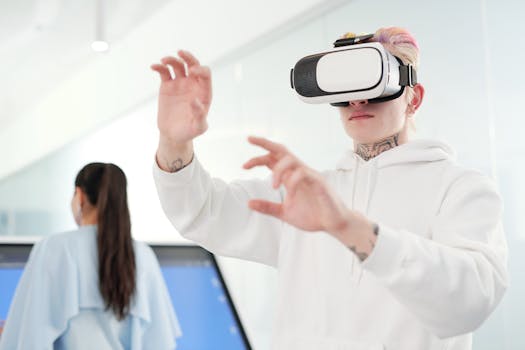
When Art Meets Technology: The Future of Digital Art in the Czech Republic
The boundaries between art and technology are dissolving at an unprecedented pace, giving rise to new forms of expression and creativity. Nowhere is this transformation more evident than in the digital art scene of the Czech Republic. Blending centuries-old artistic heritage with cutting-edge innovation, Czech digital artists, institutions, and tech startups are redefining the way art is created, experienced, and valued. As we look toward the future, the intersection of art and technology not only promises to expand the very definition of art but also positions the Czech Republic as a vibrant hub in the global digital art revolution.
The Evolution of Digital Art in the Czech Republic
Digital art in the Czech Republic has evolved dramatically over the past three decades. From the early experiments with computer graphics in the 1990s to today’s sophisticated virtual reality installations, the nation’s artists have embraced technological tools to push creative boundaries.
In the early 2000s, Czech universities such as the Academy of Fine Arts in Prague and the Faculty of Art and Design at Jan Evangelista Purkyně University began introducing specialized courses in digital media. By 2010, more than 30% of Czech art students were enrolled in programs focused on digital or media arts.
.png)
Today, digital artists in the Czech Republic use a wide range of technologies, from generative algorithms and 3D modeling to augmented reality (AR) and artificial intelligence (AI). Notable Czech digital artists such as Federico Díaz and Jan Šrámek have exhibited internationally, helping to raise the country’s profile on the global stage. In 2023, the Czech Republic hosted over 50 significant digital art exhibitions, a 60% increase compared to 2015.
Technologies Shaping Czech Digital Art
The rapid adoption of new technologies is fueling the creative engine of Czech digital art. Some of the most influential innovations include:
1. Artificial Intelligence (AI): AI-driven tools like DeepDream and generative adversarial networks (GANs) have enabled Czech artists to create works that challenge human imagination. For example, the Prague-based artist collective “AI:MAGINE” uses neural networks to generate surreal landscapes and portraits. 2. Virtual and Augmented Reality (VR/AR): VR platforms allow artists to create immersive environments, while AR brings digital installations into public spaces. In 2022, the Signal Festival in Prague featured more than 10 large-scale AR artworks, attracting over 500,000 visitors. 3. Blockchain and NFTs: Non-fungible tokens (NFTs) have opened up new avenues for digital art sales and ownership. By 2023, Czech digital art NFT sales had tripled year-on-year, with the most expensive Czech NFT artwork, “Dreams of Prague,” selling for 2.5 million CZK (about $110,000). 4. Interactive Installations: Czech artists are increasingly designing interactive experiences that respond to audience input, blending coding, sensor technology, and traditional artistic skills.The table below summarizes key technologies and their adoption in the Czech digital art scene:
| Technology | Key Czech Use Cases | Growth Since 2018 |
|---|---|---|
| Artificial Intelligence (AI) | Generative art, AI-curated exhibitions | +150% |
| Virtual Reality (VR) | Immersive exhibitions, VR storytelling | +90% |
| Augmented Reality (AR) | Public art, interactive city tours | +120% |
| Blockchain/NFTs | Digital art sales, artist royalties | +300% |
| Interactive Installations | Sensor-driven art, audience participation | +80% |
Institutions and Initiatives Leading the Way
The Czech Republic’s digital art ecosystem is supported by a network of pioneering institutions, galleries, and organizations:
- Signal Festival: Europe’s leading light and digital art festival, held annually in Prague. In 2022, the event featured more than 20 Czech and international digital artists, drawing record crowds and international media attention. - DOX Centre for Contemporary Art: This innovative Prague-based center has dedicated exhibitions and workshops to digital and media art, including the acclaimed “Virtual Rituals” exhibition in 2023. - CIANT (International Centre for Art and New Technologies): Founded in 1998, CIANT is a trailblazer in supporting research, education, and production in the field of art and technology. - Czech Centres: With offices in over 20 countries, Czech Centres promote digital and new media art through international exhibitions, artist residencies, and partnerships.In 2023, over 40% of Czech art exhibitions included a digital or interactive component, reflecting the growing integration of technology into the cultural mainstream.
Education and the Next Generation of Czech Digital Artists
Education is central to the continued growth of digital art in the Czech Republic. Academic institutions are increasingly offering interdisciplinary programs that combine art, design, coding, and engineering.
The Academy of Performing Arts in Prague (AMU) and the Faculty of Art and Design at Jan Evangelista Purkyně University are at the forefront, offering degrees in new media, game design, and audiovisual studies. In 2022, more than 1,000 students were enrolled in digital arts programs across the country—a 40% increase since 2017.
Workshops, hackathons, and artist-in-residence programs are also popular, giving young creatives the opportunity to experiment with new media and collaborate with international mentors. Projects like the “Art & Tech Days” conference in Ostrava connect students with leading industry experts, fostering a dynamic environment where new ideas can flourish.
Economic Impact and Market Trends
The digital art market in the Czech Republic is experiencing rapid growth. According to the Czech Statistical Office, the domestic creative industries generated over 4.5 billion CZK in 2023, with digital art accounting for approximately 15% of this figure.
NFTs have made a significant impact, both in terms of artist revenue and international exposure. Czech NFT marketplaces, such as ArtèQ and Polka Gallery, report that the number of registered digital artists doubled between 2021 and 2023. Notably, 28% of Czech digital artists now earn the majority of their income from online sales and commissions.
The rise of digital galleries and virtual exhibitions has broadened access to Czech art, allowing collectors from around the world to discover and purchase works without physical limitations. For example, the 2023 “Prague Digital Art Fair” attracted online visitors from over 40 countries, with total sales exceeding 1.2 million CZK.
Challenges and Opportunities for the Future
Despite its rapid growth, the Czech digital art scene faces several challenges:
- Digital Divide: Not all artists have equal access to advanced technologies or technical training, potentially limiting creative diversity. - Legal and Copyright Issues: The fast-evolving nature of digital art, especially with NFTs and AI-generated works, raises complex questions about authorship and intellectual property. - Market Volatility: The NFT market, while lucrative, is subject to rapid fluctuations and speculative bubbles.However, these challenges are matched by significant opportunities:
- International Collaboration: Czech digital artists are increasingly participating in global projects and residencies, opening new pathways for exposure and learning. - State and EU Funding: Government grants and EU cultural initiatives are providing financial support for digital art innovation. In 2024, the Czech Ministry of Culture allocated over 120 million CZK specifically for digital and new media arts. - Public Engagement: As technology becomes more integrated into daily life, there is a growing appetite for interactive and participatory art experiences.Embracing the Future: Czech Digital Art on the Global Stage
The fusion of art and technology is not only transforming creative practice in the Czech Republic but is also projecting Czech digital artists onto the world stage. With a rich tradition of artistic innovation, a strong educational foundation, and a rapidly growing market, the Czech Republic is poised to become a leader in the future of digital art.
As technology continues to evolve, so too will the ways in which art is created, shared, and experienced. The Czech digital art scene exemplifies how embracing innovation can preserve cultural heritage while opening new realms of possibility. For artists, collectors, and audiences alike, the future promises a vibrant, interconnected, and ever-expanding universe of creativity.