The impact of the pandemic on the Czech art scene: How artists adapted to new conditions
When the COVID-19 pandemic swept across the globe in early 2020, every facet of society was forced to adapt—and the world of art was no exception. In the Czech Republic, with its rich artistic heritage and vibrant contemporary scene, the impact was immediate and profound. Galleries shuttered, exhibitions were postponed, and artists faced the daunting challenge of sustaining their creative practices in a world suddenly devoid of live audiences and traditional opportunities. Yet, out of this crisis emerged a wave of resilience, innovation, and new forms of artistic expression. This article delves into the specific ways the pandemic reshaped the Czech art scene and explores how artists adapted to these unprecedented conditions.
Shifting Exhibition Platforms: From Physical to Digital Spaces
One of the most visible impacts of the pandemic was the forced closure of art galleries and museums across the Czech Republic. According to the Association of Galleries of the Czech Republic, over 90% of planned exhibitions in 2020 were either canceled or transformed. For artists and curators, this meant that the conventional way of showcasing art—through in-person viewings—was no longer possible.
.png)
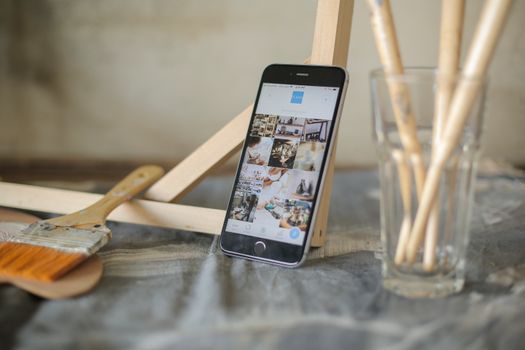
In response, many Czech institutions rapidly accelerated their digital transformation. The National Gallery Prague, for example, launched a series of virtual tours and online exhibitions, providing access to their collections for audiences stuck at home. Smaller galleries followed suit, leveraging social media, video walkthroughs, and interactive websites to keep the public engaged. For instance, DOX Centre for Contemporary Art reported a 300% increase in online traffic during the spring 2020 lockdown.
Individual artists, too, embraced digital platforms to present their work. Instagram became a crucial channel, with Czech artists like David Böhm and Jiří Franta using stories and live streams to share new pieces and creative processes. Crowdfunding platforms such as HitHit and Darujme.cz also saw a surge in art-related campaigns—over 120 campaigns were launched by Czech artists in 2020, raising more than 10 million CZK collectively.
Financial Challenges and New Economic Realities
The pandemic brought acute financial strain to artists and cultural workers. According to a survey by the Czech Ministry of Culture, 68% of freelance artists reported a significant loss of income in 2020, with average monthly earnings dropping by up to 60%. Many artists relied on exhibitions, commissions, and teaching workshops—all of which were severely disrupted.
In response, the Czech government rolled out emergency support measures, including grants and stipends for self-employed artists. However, many found these measures inadequate or difficult to access due to bureaucratic hurdles. As a result, artists sought alternative income streams. Some pivoted to selling smaller, affordable works online, while others offered paid online workshops or tutorials. A notable example is the “Art for Home” initiative, where over 100 Czech artists offered limited edition prints at accessible prices, raising over 1.5 million CZK for participating creators.
The table below provides a comparative snapshot of key financial indicators for Czech artists before and during the pandemic:
| Indicator | Pre-Pandemic (2019) | Pandemic (2020-2021) |
|---|---|---|
| Average Monthly Income (CZK) | 28,000 | 11,200 |
| Number of Solo Exhibitions | 560 | 140 |
| Online Art Sales (CZK, total) | 6 million | 17 million |
| Crowdfunding Campaigns (Number) | 25 | 120 |
New Artistic Themes and Pandemic-Inspired Creativity
While the pandemic posed immense challenges, it also spurred a wave of creative innovation and new artistic themes. Many Czech artists began to reflect on the themes of isolation, uncertainty, and resilience. The sudden change in daily life—empty streets, closed spaces, and social distancing—became powerful motifs in visual arts, photography, and performance.
One prominent example is the “Pandemic Diary” project initiated by painter and illustrator Kateřina Šedá, who invited citizens to contribute drawings and texts documenting their experiences during lockdown. The project amassed thousands of submissions and was later exhibited online and in public spaces.
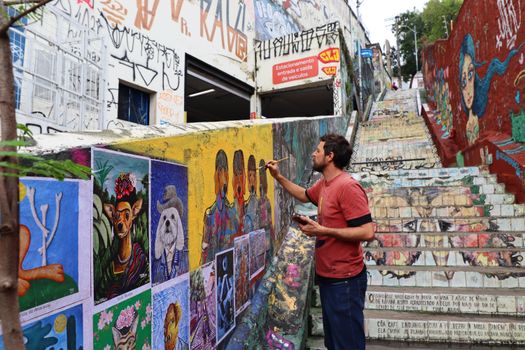
Performance artists, unable to gather live audiences, began experimenting with site-specific works and ephemeral installations in public areas. The group “Vosto5” staged impromptu performances in Prague’s parks, adhering to social distancing rules while engaging local communities.
In literature, the pandemic inspired new poetry, essays, and novels that explored the emotional landscape of the crisis. The Czech Literary Fund Foundation reported a 25% increase in pandemic-themed submissions for its 2021 literary awards.
Community Support and Grassroots Initiatives
Faced with uncertainty, the Czech art community demonstrated remarkable solidarity. Grassroots initiatives and mutual aid networks sprang up to support those most affected. The “Umění pomáhá” (Art Helps) project brought together artists, designers, and cultural organizations to raise funds for healthcare workers and vulnerable groups through art auctions and charity sales.
Several artist collectives organized online workshops, peer-support sessions, and mental health resources. For example, the collective “Arteliér” ran weekly Zoom sessions where artists could share work-in-progress, discuss challenges, and receive feedback. These initiatives played a crucial role in maintaining morale and fostering a sense of belonging during periods of isolation.
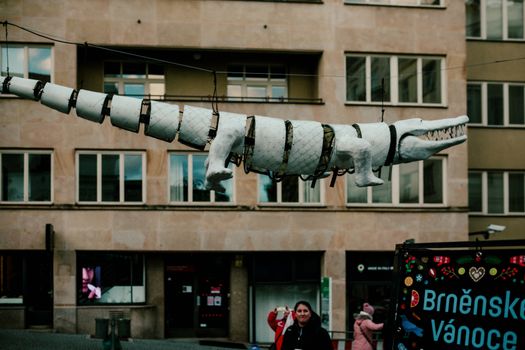
Cultural institutions also collaborated with local governments to bring art into public spaces. In Brno, the “Kultura do oken” (Culture to Windows) initiative saw musicians and performers staging concerts outside nursing homes, allowing residents to enjoy live art from the safety of their rooms.
Long-Term Changes: The Post-Pandemic Czech Art Landscape
As restrictions eased in late 2021 and galleries reopened, the Czech art scene began to assess the lasting impact of the pandemic. While some challenges persist—such as reduced funding and cautious audiences—many of the adaptations made during the crisis have become permanent fixtures.
Artists and institutions now routinely blend physical and digital experiences, offering hybrid exhibitions, online artist talks, and virtual tours. The success of online sales and crowdfunding has encouraged more artists to diversify their income streams beyond traditional gallery representation.
Moreover, the pandemic highlighted the importance of community and mutual support. Artist-run spaces and collectives have gained prominence, championing collaborative projects and advocating for better working conditions in the arts.
Perhaps most importantly, the themes and stories that emerged during the pandemic have enriched Czech art with new layers of meaning, ensuring that this period will be remembered not only for its hardships but also for the resilience and creativity it inspired.
Final Reflections on the Czech Art Scene’s Resilience
The COVID-19 pandemic was an unprecedented challenge for Czech artists and cultural institutions, disrupting established ways of working and threatening livelihoods. Yet, as this crisis unfolded, it also revealed the extraordinary resourcefulness and adaptability of the Czech art community. From embracing digital platforms to launching grassroots support networks and exploring new themes in their work, artists responded with innovation and solidarity.
The lessons learned during this period—about flexibility, community, and the power of art to connect and heal—will continue to shape the Czech art scene for years to come. As the world gradually returns to normal, the creative solutions born of necessity during the pandemic may well become the foundation for a more resilient, inclusive, and dynamic cultural landscape.