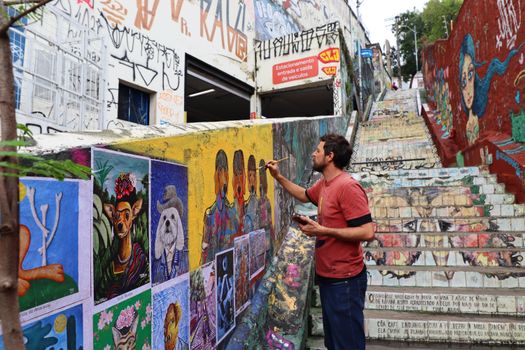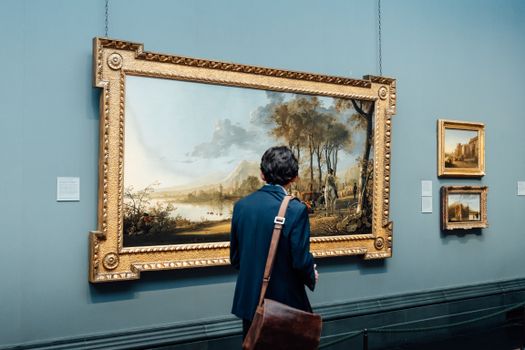
Patronage has been a cornerstone of the art world for centuries, shaping not only the lives and careers of individual artists but also the trajectory of cultural, social, and political history. From the lavish courts of Renaissance Italy to contemporary crowdfunding platforms, patronage has enabled artists to create, innovate, and push boundaries in ways that would otherwise be impossible. This article delves into the enduring importance of patronage in the art world, exploring its evolution, its profound influence on artistic production, and its implications for the future of art.
The Historical Roots of Artistic Patronage
Patronage in the arts dates back millennia, with ancient civilizations such as Egypt, Greece, and Rome commissioning works to display power, religious devotion, and civic pride. However, the most iconic era of artistic patronage flourished during the European Renaissance. During the 15th and 16th centuries, powerful families like the Medicis in Florence and popes in Rome employed artists to create masterpieces that would adorn palaces, churches, and public spaces.
The Medici family alone sponsored over 100 artists and architects, including Michelangelo and Leonardo da Vinci. This system provided artists with financial security, materials, and social standing. In 1512, for example, Michelangelo was paid 3,000 ducats—a sum equivalent to over $600,000 today—for painting the Sistine Chapel ceiling, a commission made possible only through papal patronage.
.png)
Patronage was not limited to painting and sculpture. Music, literature, and architecture also thrived under the support of wealthy individuals, religious institutions, and monarchs. In the Baroque era, composers such as Johann Sebastian Bach and George Frideric Handel relied on royal courts and church leadership to fund their compositions.
Patronage and the Shaping of Artistic Trends
One of the most significant impacts of patronage has been its role in shaping artistic trends, themes, and even entire movements. Patrons often commissioned works that reflected their values, beliefs, or ambitions, directly influencing the subject matter and style of the art produced.
For example, during the Counter-Reformation, the Catholic Church became a major patron of the arts, commissioning dramatic, emotional works to inspire faith and counter Protestant criticisms. This led to the flourishing of Baroque art, with artists like Caravaggio and Bernini producing grandiose, intense works that communicated religious fervor.
In the 19th century, wealthy industrialists in America and Europe patronized artists who captured the spirit of technological progress and bourgeois prosperity. Portraits, landscapes, and grand historical scenes became popular, reflecting the values of the emerging middle class.
Patronage also played a pivotal role in the birth of new movements. The Impressionists, initially rejected by the official Salon, found support from independent collectors and dealers like Paul Durand-Ruel, who purchased and exhibited their works. Without this backing, the Impressionist movement—and the subsequent evolution of modern art—may never have gained momentum.
The Evolution of Patronage: From Aristocrats to Crowdfunding
The concept of patronage has evolved dramatically in the last two centuries. During the Enlightenment and the Industrial Revolution, the rise of the art market and public exhibitions allowed artists to reach broader audiences, reducing their dependence on individual patrons. However, patronage never disappeared; it simply adapted to changing social and economic conditions.
Today, patronage takes many forms:
- Private collectors: In 2023, private collectors accounted for 41% of global art sales, according to Art Basel and UBS’s Art Market Report. - Corporate sponsorship: Major companies like Deutsche Bank and Louis Vuitton invest millions annually in exhibitions, commissions, and artist residencies. - Government grants: The National Endowment for the Arts (NEA) in the United States awarded $27.1 million in grants in 2022 alone. - Crowdfunding: Platforms like Kickstarter and Patreon have democratized patronage, enabling artists to receive support from thousands of small-scale donors.The table below compares traditional and modern forms of patronage:
| Type of Patronage | Examples | Impact on Artists | Accessibility |
|---|---|---|---|
| Traditional (Aristocratic/Religious) | Medici family, Popes, Royal Courts | High financial security, limited creative freedom | Restricted to elite artists |
| Private Collectors | Charles Saatchi, Peggy Guggenheim | Variable support, potential for discovery | Expanding, but still selective |
| Corporate Sponsorship | Deutsche Bank, Louis Vuitton | Large-scale projects, public exposure | Competitive application, high-profile |
| Government Grants | NEA, Arts Council England | Project-based funding, accountability required | Open to a wide range of artists |
| Crowdfunding | Kickstarter, Patreon | Direct audience support, creative autonomy | Accessible to all, but variable income |
This diversification has made it possible for more artists to find support, regardless of background or genre.
Patronage as a Catalyst for Innovation
Patronage has consistently served as a catalyst for artistic innovation. When artists are freed from the immediate pressures of commercial success, they can take creative risks, experiment with new materials or concepts, and challenge prevailing norms.
Consider the case of the Russian composer Igor Stravinsky, whose groundbreaking ballet "The Rite of Spring" (1913) was commissioned by the dancer Sergei Diaghilev. The work’s avant-garde score and choreography shocked Parisian audiences but ultimately revolutionized music and dance.
In the visual arts, Pablo Picasso’s relationship with Gertrude Stein and other early collectors gave him the confidence and resources to develop Cubism—an artistic revolution that reshaped 20th-century art.
Even today, artist-in-residence programs funded by corporations, governments, and private patrons provide creators with time, space, and resources to experiment. According to the Alliance of Artists Communities, over 1,500 residency programs exist worldwide, supporting thousands of artists each year.
Patronage, Power, and Social Responsibility
While patronage has empowered artists, it has also raised important questions about power, influence, and social responsibility. Patrons have the ability to amplify certain voices and obscure others, often reflecting broader social hierarchies and priorities.
Historically, the majority of patrons were wealthy men, which shaped the subject matter and representation in art. For example, female and minority artists were often excluded from prestigious commissions. Even today, a 2022 survey by the Freelands Foundation found that only 33% of major solo exhibitions in UK institutions were by women artists, despite women making up the majority of art school graduates.
In response, many contemporary patrons and institutions are working to support underrepresented groups. Initiatives like the Ford Foundation’s $230 million commitment to creative equity, and the rise of diverse collector networks, are helping to broaden the scope of patronage and foster a more inclusive art world.
The Future of Patronage in a Globalized Art World
The art world is now more interconnected than ever, and patronage continues to adapt. As digital platforms break down geographic and social barriers, artists from all backgrounds can reach global audiences and connect with supporters directly.
Crowdfunding, for example, has enabled artists in developing countries to fund projects that would have been impossible just a decade ago. The 2021 Kickstarter Art Report noted that over $30 million was pledged to art projects worldwide, supporting everything from street murals in Nairobi to digital installations in Seoul.
At the same time, blockchain technology and NFTs (non-fungible tokens) are introducing new models of patronage. NFT collectors act as digital patrons, purchasing unique works and supporting artists in decentralized online communities.
Yet, as new forms of patronage emerge, the core principles remain unchanged: artists need support—financial, social, and institutional—to realize their visions, and society benefits when creative voices are nurtured.
Final Reflections on the Importance of Patronage in the Art World
Patronage is far more than a financial transaction; it is a dynamic relationship that has shaped art, culture, and society across centuries. Whether through the grand commissions of Renaissance Europe or the grassroots support of modern crowdfunding, patronage provides artists with the means to explore, innovate, and inspire.
As the art world continues to evolve, the importance of patronage endures. By investing in artists, patrons not only foster individual creativity but also contribute to a richer, more diverse cultural landscape. In an age of rapid change and global connectivity, the tradition of supporting the arts remains a vital force for progress, dialogue, and imagination.