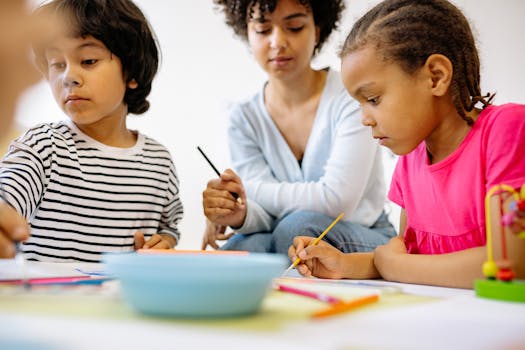
Every child is born with a spark of creativity, and art provides the perfect avenue to nurture this innate potential. Art for children is far more than a fun pastime; it is a powerful tool for cognitive, emotional, and social growth. As parents, educators, or caregivers, understanding how to foster artistic skills in the youngest can set the stage for a lifetime of innovation, problem-solving, and self-expression.
In this article, we’ll dive into the significance of art for children, explore scientifically backed benefits, and offer actionable strategies to help develop creativity and artistic abilities from the earliest years. Along the way, we’ll break down age-appropriate activities, compare various art mediums, and dispel common myths about children’s art. Whether you’re a parent seeking inspiration or an educator looking for fresh approaches, this guide will equip you with the knowledge to make art a vibrant part of every child’s development.
The Profound Benefits of Art for Young Children
Art is often seen as an extracurricular activity, but scientific research shows it is foundational to childhood development. According to a 2022 study from the National Endowment for the Arts, children who engage in visual arts activities score 15% higher on problem-solving assessments and exhibit stronger emotional regulation than their peers who do not participate in art. But why is this the case?
.png) 1. $1 Creating art stimulates both hemispheres of the brain. Activities such as drawing and painting enhance fine motor skills, spatial awareness, and visual processing. Early exposure to art can accelerate language acquisition by helping children describe their creations.
2. $1 Art offers a safe outlet for expressing feelings that young children may not yet articulate with words. It also encourages empathy, as children learn to see the world through different perspectives.
3. $1 Group art projects foster cooperation and communication. Children learn to share materials, negotiate ideas, and celebrate each other’s work, building the foundation for teamwork.
4. $1 The process of creating and revising art teaches perseverance. Children learn that mistakes can lead to new ideas, promoting a growth mindset.
1. $1 Creating art stimulates both hemispheres of the brain. Activities such as drawing and painting enhance fine motor skills, spatial awareness, and visual processing. Early exposure to art can accelerate language acquisition by helping children describe their creations.
2. $1 Art offers a safe outlet for expressing feelings that young children may not yet articulate with words. It also encourages empathy, as children learn to see the world through different perspectives.
3. $1 Group art projects foster cooperation and communication. Children learn to share materials, negotiate ideas, and celebrate each other’s work, building the foundation for teamwork.
4. $1 The process of creating and revising art teaches perseverance. Children learn that mistakes can lead to new ideas, promoting a growth mindset.
These benefits underscore why art is not a luxury but a necessity in early education and parenting.
Key Principles for Nurturing Creativity in Children
Fostering creativity in children is less about providing formal instruction and more about cultivating the right environment. Here are essential principles to keep in mind:
1. $1 Focus on the joy of creation rather than the final result. Celebrate effort and exploration—this reduces performance anxiety and encourages experimentation. 2. $1 Provide a variety of art supplies that allow for free expression. Items like colored paper, clay, natural objects, and recycled materials can spark imagination more than structured coloring books. 3. $1 Let children try new techniques and make “mistakes.” Artistic breakthroughs often happen when kids feel safe to explore without fear of criticism. 4. $1 Instead of asking “What is it?”, try “Tell me about your art.” This invites children to share their thoughts and stories, deepening their connection to the creative process. 5. $1 Show your own willingness to experiment with art. Children are keen observers and benefit from seeing adults explore, make errors, and enjoy the process.Age-Appropriate Artistic Activities and Milestones
Children’s artistic abilities develop rapidly in the first years of life. Understanding age-appropriate activities ensures that expectations are realistic, and experiences are enjoyable.
| Age Group | Developmental Milestones | Suggested Art Activities |
|---|---|---|
| Toddlers (1-3 years) | Basic scribbling, color exploration, sensory play | Finger painting, large crayons, clay manipulation, collage with large shapes |
| Preschoolers (3-5 years) | Shape recognition, basic figures, storytelling through art | Watercolor painting, simple printmaking, puppet creation, nature art |
| Early Elementary (6-8 years) | Detailing, pattern making, imaginative scenes | Mosaic, weaving, mixed media, drawing from observation |
| Late Elementary (9-12 years) | Perspective, complex composition, personal symbolism | Acrylic painting, sculpture, digital art, comic strips |
These stages are not rigid—children develop at their own pace. The key is to offer opportunities that both challenge and delight at each developmental level.
Comparing Art Mediums: Which Are Best for Developing Skills?
Not all art mediums are created equal, and each offers unique benefits for young learners. Choosing the right medium can help strengthen specific skills and keep children engaged.
| Medium | Skill Development | Example Use |
|---|---|---|
| Crayons/Pencils | Fine motor control, hand-eye coordination | Drawing, coloring, tracing |
| Paints (watercolor, tempera) | Color mixing, large motor skills, creativity | Free painting, group murals |
| Clay/Playdough | 3D thinking, sensory exploration | Modeling animals, shapes, letters |
| Collage Materials | Composition, tactile stimulation | Storytelling boards, themed collages |
| Digital Art Tools | Tech literacy, precision, layering | Basic drawing apps, animation |
For example, a 2023 survey by the International Child Art Foundation found that 72% of children aged 5-8 prefer painting and collage, while 55% of children aged 9-12 gravitate toward digital art and sculpture. Rotating supplies and introducing new mediums can keep the artistic process fresh and exciting.
Dispelling Common Myths About Children’s Art
There are several persistent myths that discourage adults from actively supporting children’s creative development. Let’s set the record straight:
1. $1 Fact: Every child benefits from artistic activity. Talent is often a result of exposure and practice, not an innate trait. 2. $1 Fact: According to a 2021 report by the Arts Education Partnership, schools with robust art programs see a 20% increase in overall academic achievement compared to those without. 3. $1 Fact: Creative risk-taking and unconventional approaches often lead to the most innovative results. Rules in art are flexible, especially for children. 4. $1 Fact: When used thoughtfully, digital tools can expand children’s creative horizons and prepare them for the modern world. The key is balance between traditional and digital media.Dispelling these myths empowers adults to support children’s creativity without hesitation or limiting beliefs.
Practical Tips for Parents and Educators to Ignite Artistic Growth
Unlocking a child’s creative potential requires more than setting out supplies. Here are actionable strategies proven to foster artistic growth:
1. $1 A dedicated area—no matter how small—signals to children that art is valued. Stock it with accessible, safe materials. 2. $1 Draw shopping lists, decorate lunch bags, or create cards for family events. Everyday moments can become creative opportunities. 3. $1 Display children’s art at home or in the classroom. Praise their curiosity and unique ideas, not just technical skill. 4. $1 Integrate art with science (drawing plants), math (pattern making), or history (creating dioramas). This cross-disciplinary approach strengthens learning and retention. 5. $1 Family or class murals, group sculptures, or community art days foster teamwork and social skills. 6. $1 Exposure to diverse artworks inspires children and shows them the wide range of creative possibilities. Many museums offer free or discounted family days.Supporting Lifelong Creativity: The Lasting Impact of Childhood Art
The benefits of early art experiences extend well beyond childhood. A 2019 longitudinal study published in the Journal of Educational Psychology found that adults who engaged in art as children were 30% more likely to demonstrate high creativity and adaptability in their careers. Artistic skills help develop flexible thinking, resilience, and the ability to navigate complexity—qualities increasingly prized in the 21st-century workforce.
By championing art for children, we’re not just cultivating young artists—we’re equipping future innovators, leaders, and empathetic citizens. Every scribble, painting, and sculpture lays the groundwork for a brighter, more creative society.