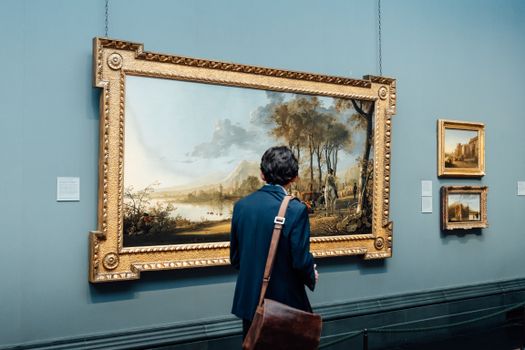
Evaluating artworks is both an art and a science—especially for collectors and investors who aim to balance aesthetic appreciation with sound financial decisions. The global art market reached an estimated $67.8 billion in 2022, with buyers ranging from passionate collectors to savvy investors seeking alternative assets. However, distinguishing between a worthwhile investment and a passing trend requires more than just a keen eye. This practical guide demystifies the evaluation process, providing actionable steps and key considerations for anyone looking to make informed decisions in the world of art collecting and investment.
The Foundations of Art Evaluation: Authenticity and Provenance
Before delving into finer aesthetic or market-based judgments, the fundamental pillars of any artwork’s value are its authenticity and provenance. Over 50% of art fraud cases globally involve forged documentation or misattributed works, underscoring the necessity of thorough verification.
Authenticity refers to whether the artwork is genuinely created by the artist it is attributed to. This is typically established through: - Expert assessment and signature verification - Scientific analysis (like pigment dating or infrared spectroscopy) - Certificates of authenticity from recognized authoritiesProvenance, on the other hand, is the documented history of an artwork’s ownership. A clear, unbroken provenance can significantly increase value, while gaps may raise red flags. For example, a Picasso with full documentation tracing back to the artist’s studio is valued far higher than a similar work with unclear origins. For collectors and investors, always request provenance records, prior sales receipts, or exhibition histories as part of your due diligence.
.png)
Assessing Artistic Merit: Technique, Innovation, and Cultural Impact
While financial metrics are pivotal, an artwork’s inherent artistic qualities often drive both its desirability and long-term value. Experts analyze several key factors:
- Technique: How skillfully has the artist executed the piece? Mastery of medium, brushwork, composition, and use of color are all examined. For instance, the meticulous layering in Jan van Eyck’s oil paintings is a hallmark of technical excellence. - Innovation: Does the artwork introduce new ideas or methods? Works that push boundaries, such as Jackson Pollock’s drip technique, often gain historical significance and market demand. - Cultural Impact: Has the piece influenced movements, popular culture, or social discourse? Artworks with cultural resonance—like Banksy’s street art—tend to attract collectors and investors alike.To aid in this process, consider consulting curators, art historians, or specialized critics. Museums and leading galleries often publish exhibition catalogs and critical essays that can provide valuable context for evaluating an artist’s significance.
Market Dynamics: Tracking Sales Data and Trends
Investment-focused collectors must keep a pulse on the art market’s ever-shifting currents. Auction houses like Sotheby’s and Christie’s publish regular reports, detailing sales figures, demand trends, and artist performance. In 2021, contemporary art sales alone totaled $2.7 billion at auction, signaling the robust appetite for newer movements.
When evaluating an artwork’s market value, consider these aspects: - Recent auction prices for comparable works by the same artist - Rarity and supply: Is the piece one-of-a-kind, part of a limited series, or mass-produced? - Market demand: Has the artist’s popularity increased, and are there waiting lists at top galleries? - Economic conditions: During recessions, some art segments experience price drops, while blue-chip works often remain resilient.To illustrate how these factors interact, see the table below:
| Artwork Factor | Impact on Value | Example |
|---|---|---|
| Provenance | High provenance increases value 20-50% | Da Vinci’s “Salvator Mundi” with royal provenance |
| Recent Auction Sales | Sets benchmark prices, especially for living artists | Banksy’s “Love is in the Bin” sold for $25.4 million in 2021 |
| Edition Size | Lower editions are more valuable (up to 3x higher) | Andy Warhol’s “Marilyn Monroe” screenprints |
| Market Demand | Popular artists’ works appreciate faster | Kaws sculptures’ rapid price growth since 2018 |
Online databases such as Artnet and Artprice provide access to thousands of auction records, making it easier for both new and seasoned collectors to benchmark artworks effectively.
Physical Condition and Conservation Considerations
A work’s physical state has a direct and often substantial effect on its value. According to the International Council of Museums, restoration or conservation issues can decrease an artwork’s market price by 20-40%, depending on severity and visibility.
Key aspects to evaluate include: - Presence of cracks, tears, or fading in paintings or works on paper - Signs of overpainting, retouching, or previous restoration attempts, which may either stabilize the piece or diminish its originality - The quality and appropriateness of framing or mounting, particularly for older worksAlways request a condition report, especially for high-value or older pieces. For significant investments, independent conservators can provide an unbiased professional assessment. In some cases, poor condition can be a negotiation point for price reduction, but extensive damage may make an artwork a risky investment.
Evaluating Emerging Artists: Signals and Pitfalls
While established masters provide relatively predictable returns, many collectors and investors are drawn to the excitement and potential of backing emerging artists. In 2022, new contemporary artists saw a 33% increase in first-time auction sales, according to Art Basel’s global report.
When evaluating works by emerging artists, consider the following: - Gallery Representation: Are reputable galleries showcasing the artist’s work? Galleries often act as gatekeepers to quality and market viability. - Institutional Recognition: Has the artist exhibited at respected museums, won awards, or received grants? - Media Coverage: Positive press in art publications and mainstream media can rapidly boost an artist’s profile. - Price Trajectory: Sharp, unsustainable price increases can signal speculative hype. Look for consistent, gradual growth.Nonetheless, the emerging artist segment carries greater risks. Only about 10-15% of young artists see their works appreciate significantly over time, so diversification and research are crucial strategies for collectors with investment intent.
Professional Resources and Tools for Art Evaluation
Today’s collectors and investors have access to a wealth of professional tools and resources that streamline the evaluation process. Some key options include:
- Art advisory firms: Independent advisors can provide portfolio analysis and acquisition strategies tailored to your goals. - Auction catalogs and price databases: Sotheby’s, Christie’s, Artnet, and Artprice offer detailed transaction histories. - Scientific testing labs: Facilities specializing in material analysis, dating, and authentication. - Art fairs and biennials: These events provide direct access to new works and opportunities to observe market dynamics in real time.Additionally, many collectors join associations such as the International Art Collectors Association or attend seminars hosted by leading museums. These networks facilitate access to expertise and confidential market intelligence, enhancing your ability to make informed acquisitions.
Smart Collecting: Final Thoughts on Art Evaluation for Investors
Proper art evaluation is a multifaceted process that combines passion, expertise, and due diligence. By systematically considering authenticity, artistic merit, market trends, physical condition, and emerging artist indicators, collectors and investors can minimize risk and maximize both enjoyment and financial return. With the global art market’s continued growth and increasing transparency thanks to technology, there has never been a better time to become an informed participant. Remember, every great collection is built one thoughtful acquisition at a time.