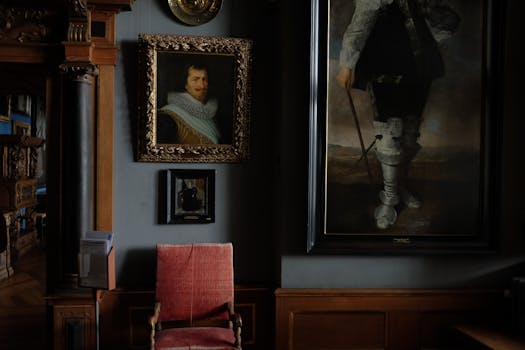
Art exhibitions are more than just gatherings of beautiful works; they are vital platforms for artists, collectors, and the public to engage with creativity and culture. For beginners, organizing an art exhibition can seem daunting, but with the right strategies and an efficient approach, the process becomes both manageable and rewarding. Whether you’re an emerging curator, an artist organizing your own show, or a community leader looking to spotlight local talent, this guide will break down the essential steps to efficiently organize art exhibitions from concept to closing night.
Understanding the Purpose and Scope of Your Art Exhibition
Before diving into logistics, it’s crucial to define the purpose of your exhibition. Are you showcasing a single artist or a group? Is the goal to sell art, promote a cause, or build community engagement? In 2022, a survey by Art Basel and UBS found that over 60% of art exhibitions globally were focused on group shows, while the remaining 40% highlighted solo artists, each choice shaping planning needs differently.
Begin by asking yourself: - What is the exhibition’s theme or central message? - Who is the intended audience? - What outcomes—sales, awareness, community involvement—do you hope to achieve?Defining these parameters not only informs your curatorial choices but also streamlines every subsequent decision, from venue selection to promotional tactics.
.png)
Choosing the Right Venue: Factors and Comparisons
Selecting a venue is one of the most impactful decisions you’ll make. The venue sets the tone and accessibility for your exhibition, affecting audience reach and overall experience. Consider factors like location, size, lighting, security, and amenities.
Here’s a comparison of common venue types for beginners:
| Venue Type | Capacity | Average Rental Cost (USD) | Pros | Cons |
|---|---|---|---|---|
| Local Gallery | 50-200 | $500-$2,000/day | Art-focused lighting, built-in audience, professional staff | Higher cost, limited availability |
| Community Center | 100-300 | $200-$800/day | Affordable, accessible, flexible usage | Less specialized for art, may require extra setup |
| Coffee Shop/Restaurant | 30-100 | Often free with sales commission | Casual atmosphere, built-in foot traffic | Limited hours, less control over layout |
| Pop-Up Space | 50-150 | $300-$1,500/day | Unique locations, creative freedom | Requires more logistics, insurance, and setup |
In 2023, pop-up exhibitions grew by 18% globally, reflecting a trend toward flexible, short-term spaces that appeal to new audiences and reduce costs.
Building a Curatorial Plan: Selecting Artworks and Layout
A well-organized exhibition tells a story—each artwork contributes to the narrative, and the layout guides visitors through that experience. After confirming participating artists and artworks, create an inventory with key details: artist names, titles, sizes, mediums, and insurance values.
Key steps for an efficient curatorial plan: 1. $1 Use spreadsheets or free tools like Artwork Archive to track pieces and logistics. In a 2021 survey, 73% of new curators said digital inventory tools saved them over 10 hours per exhibition. 2. $1 Arrange works by themes, color palettes, or chronology to create visual coherence. 3. $1 Sketch a map of the venue, assigning wall space and pedestals. Leave enough space between works—recommendations suggest at least 1.5 meters (5 feet) apart for larger pieces. 4. $1 Adjust lighting to minimize glare and highlight focal points. Ensure paths are ADA-compliant for accessibility.Many beginners underestimate the importance of mock setups. If possible, do a “dry run” with paper cutouts or digital renderings to spot layout issues before installation day.
Managing Logistics: Timelines, Budgets, and Legalities
Efficient exhibitions require precise project management. Start by setting a timeline that includes key milestones, such as artwork delivery, installation, opening night, and deinstallation. For most small exhibitions, a 2-4 month planning window is ideal.
$1 According to Americans for the Arts, the average community art exhibition budget in the U.S. ranges from $3,000 to $10,000, covering venue, marketing, insurance, transport, and refreshments. Factor in hidden costs such as wall repair, rental equipment, and staffing.
$1 - $1 Have clear agreements with artists regarding artwork loans, sales commissions (typically 30-50% for galleries), and insurance responsibilities. - $1 Protect against damage or theft. One-day event insurance can cost as little as $150, but for valuable works, specialized fine art policies are recommended. - $1 Check local laws for event permits, especially if you plan to serve food or alcohol.Timely communication with artists, vendors, and volunteers is critical. Use shared calendars or project management apps like Trello or Asana to keep everyone aligned.
Marketing and Audience Engagement Strategies
No exhibition is complete without an audience. Effective marketing maximizes attendance and impact.
$1 - Create a dedicated event page with exhibition details, artist bios, and high-quality images. - Utilize social media ads—Facebook and Instagram are top platforms. In 2022, 68% of gallery-goers discovered new shows via social media. - Email newsletters reach existing supporters; Mailchimp and Substack are popular free tools. $1 - Send press releases to local newspapers, art blogs, and radio stations. - Distribute flyers in community centers, libraries, and cafes. $1 - Plan opening receptions, artist talks, or live demonstrations. According to the National Endowment for the Arts, events with participatory components see 35% higher attendance. - Offer interactive elements, such as visitor feedback walls or QR codes for digital catalogues.Remember to collect visitor data—sign-in sheets or digital RSVPs help track engagement and build your mailing list for future exhibitions.
Evaluating Success and Learning for Next Time
After the exhibition closes, take time to evaluate its effectiveness. Review attendance (aim for at least 100-300 visitors for a first-time show), sales figures, press coverage, and feedback from artists and guests. Digital surveys can provide actionable insights.
Questions to guide your evaluation: - Did you meet your attendance and sales goals? - Which marketing channels were most effective? - What logistical challenges arose, and how can they be improved?Document your process and outcomes. According to Artsy’s 2023 report, exhibitions that iteratively improved based on post-event evaluations saw a 27% increase in visitor numbers year-over-year.
Efficient Art Exhibition Planning: Key Takeaways
Organizing an art exhibition as a beginner may seem overwhelming, but by following a clear, structured process, you can create a memorable and professional event. Start by defining your purpose and audience, choose a venue that fits your needs and budget, curate with intention, manage logistics proactively, and market strategically to attract visitors. Most importantly, treat each exhibition as a learning experience—refining your approach will lead to increasingly successful events in the future.
An efficiently organized exhibition not only highlights the artworks but also strengthens your connections within the art community, laying the foundation for future creative projects.