Street art, once dismissed as a mere act of rebellion, has evolved into a respected and dynamic form of public expression across the globe. In Czech cities, the journey of street art reflects a complex interplay of politics, culture, and community. From the clandestine graffiti of communist-era Prague to the vibrant murals now adorning city walls, the history and development of street art in Czech cities offer a fascinating window into the nation’s shifting identity and creative spirit.
Origins of Street Art in Czech Cities: From Dissent to Decoration
The roots of street art in Czech cities stretch back to the turbulent years of the late 20th century. During the communist regime (1948-1989), public spaces were tightly controlled, and any unauthorized artistic expression was swiftly censored. Nonetheless, graffiti emerged as a subtle but powerful form of dissent. The most iconic example is the Lennon Wall in Prague. Beginning in the 1980s, young Czechs began painting Beatles lyrics and political messages on this otherwise ordinary wall near the Charles Bridge as a peaceful protest against the regime.
By 1988, the Lennon Wall had become a living symbol of freedom and nonviolent resistance. Despite repeated attempts by authorities to whitewash the wall, new graffiti would reappear overnight. This cycle demonstrated the resilience and creativity of the Czech youth, and the wall remains a tourist attraction and canvas for evolving messages to this day.
.png)
While Prague was the epicenter, similar acts of rebellious graffiti appeared in other Czech cities such as Brno and Ostrava, albeit on a smaller scale. The fall of communism in 1989 marked a turning point. Public spaces opened up, and street art slowly began to transform from an act of protest into a legitimate and celebrated art form.
The Evolution of Styles and Techniques in Czech Street Art
With political liberation came artistic experimentation. The 1990s and early 2000s saw Czech street artists adopting global trends while developing their own visual language. Spray paint, stencils, wheat-pasting, and murals became common techniques. Early Czech crews like CAP crew in Prague and TOY crew in Brno gained notoriety for their bold lettering and innovative use of color.
As street art matured, so did its styles. The influence of the global hip-hop scene brought new energy, while access to international media and travel exposed Czech artists to European and American graffiti techniques. Stencil art, popularized by artists like Banksy, found enthusiastic adopters in cities like Plzeň and Liberec.
By the 2010s, the Czech street art scene had diversified significantly. Artists like Pasta Oner, Point, and Jan Kaláb (formerly known as Cakes) began blending graffiti with pop art, abstraction, and 3D illusions. Their works often bridge the gap between street art and gallery art, challenging the boundaries of public and private spaces.
Legalization, Festivals, and Institutional Support
The perception of street art in Czech cities underwent a dramatic shift in the last two decades. What was once criminalized began to receive institutional support, especially as cities recognized the potential of street art to revitalize neighborhoods and attract tourists.
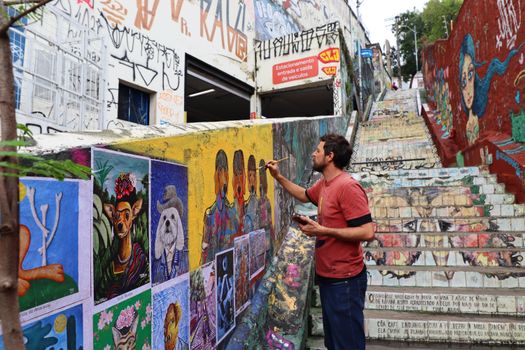
Several Czech cities began designating legal walls—public spaces where artists could paint without fear of prosecution. For example, Prague’s Hall of Fame in Letná and Brno’s underpasses have become hotspots for both established and emerging artists.
Street art festivals have played a crucial role in this transformation. The Meeting of Styles festival, held in Prague since 2010, attracts artists from across Europe and covers entire building facades with spectacular murals. Similarly, the Wallz festival in Ostrava and the Street Art Festival in Olomouc showcase the talents of local and international artists, fostering cross-cultural exchanges and community engagement.
Municipalities and cultural institutions have also embraced street art as a tool for urban regeneration. According to a 2021 report by the Czech Ministry of Culture, over 60 large-scale murals were commissioned in Prague alone in the previous five years, contributing to both the aesthetic and economic revitalization of city districts.
Regional Differences: Comparing Prague, Brno, and Ostrava
While Prague is the most internationally recognized Czech city for street art, other urban centers have developed unique scenes reflecting their local histories and identities. Here’s a comparative overview:
| City | Key Characteristics | Notable Locations | Signature Artists/Crews | Annual Festivals |
|---|---|---|---|---|
| Prague | Historic, tourist-driven, diverse styles | Lennon Wall, Letná Hall of Fame, Náplavka | Pasta Oner, Point, CAP crew | Meeting of Styles |
| Brno | Experimental, youth-oriented, underground influence | Malinovského náměstí, underpasses by main station | TOY crew, Timo | Brno Street Art Festival |
| Ostrava | Industrial, large-scale murals, community projects | Poruba district, Dolní Vítkovice | N/A (focus on community art) | Wallz Street Art Festival |
This table highlights not only the unique flavor of each city’s street art scene but also the importance of location, local artists, and annual events in shaping public perception and participation.
Street Art as Social Commentary and Community Building
Street art in Czech cities has moved beyond aesthetics to become a platform for social commentary and community engagement. Murals now address issues such as environmentalism, history, social justice, and urban identity.
For instance, in 2019, a mural in Prague’s Žižkov district depicted legendary Czech writer Bohumil Hrabal surrounded by pigeons, honoring both local heritage and the city’s literary culture. In Brno, artist Timo is known for witty typographic interventions that challenge bureaucratic language and provoke thought about everyday life.
Community-led projects have also proliferated. In Ostrava, the Colors of Ostrava music festival has sponsored collaborative murals that involve residents, fostering a sense of pride and ownership. According to a 2022 survey by the Czech Statistical Office, 67% of urban residents reported a positive view of street art, citing its contribution to neighborhood identity and vibrancy.
Moreover, street art often responds rapidly to current events. During the COVID-19 pandemic, several murals appeared in Czech cities, expressing solidarity with healthcare workers or conveying messages of hope and resilience.
Challenges and the Future of Czech Street Art
Despite growing acceptance, street art in Czech cities faces ongoing challenges. Legal restrictions still exist, and unauthorized graffiti can result in hefty fines. The line between vandalism and art remains contentious, particularly in historic districts where preservation concerns are paramount.
Moreover, commercialization poses a new dilemma. As street art gains popularity, there is a risk of co-optation by advertising agencies and real estate developers. Some artists worry that the original spirit of subversion and free expression could be diluted as street art becomes a marketable commodity.
Nevertheless, the future appears promising. New digital tools, such as augmented reality and projection mapping, are expanding the creative possibilities for Czech street artists. Educational initiatives, including workshops and art walks, are introducing younger generations to the history and techniques of street art. International collaborations are also on the rise, with Czech artists participating in festivals from Berlin to Buenos Aires.
According to a 2023 study by the Czech Academy of Sciences, the country’s street art scene is expected to grow by 15% annually in terms of new public artworks and artist participation, reflecting both rising public interest and institutional support.
Reflecting on the Dynamic Legacy of Czech Street Art
The history and development of street art in Czech cities encapsulate a journey from resistance to recognition, from clandestine scribbles to monumental murals. Each city, neighborhood, and wall tells a story—of political change, cultural identity, and collective imagination. As Czech street art continues to evolve, it not only colors the urban landscape but also enriches the social fabric, inviting residents and visitors alike to engage, reflect, and participate in the ever-unfolding narrative of the city.