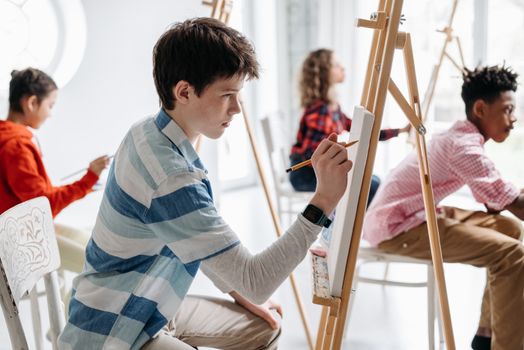
In classrooms around the world, the traditional boundaries between subjects are rapidly dissolving. As educators and policymakers seek new ways to engage students and prepare them for an increasingly complex world, one approach is gaining significant momentum: integrating art directly into the fabric of education. This strategy, known as art integration, is not simply about adding painting or music classes to the school day—it’s a revolutionary reimagining of how all subjects can be taught through the lens of creativity and artistic expression. Let’s explore how art integration is transforming education, boosting learning outcomes, and preparing students for the challenges and opportunities of the 21st century.
The Power of Art Integration in Modern Classrooms
Art integration refers to the practice of teaching core academic subjects—such as math, science, language arts, and social studies—through artistic processes and disciplines. This goes beyond standalone art lessons; it means weaving visual arts, music, theater, and dance into the teaching of other subjects to deepen understanding and spark engagement.
Research from the Arts Education Partnership shows that students in art-integrated classrooms are four times more likely to be recognized for academic achievement. In a landmark study conducted by the Kennedy Center’s Changing Education Through the Arts (CETA) program, participating schools saw a 20% improvement in student math scores and a 15% rise in reading proficiency over three years.
.png)
But why does this approach work so well? Art integration taps into different learning styles, making abstract concepts tangible and memorable. For example, students might learn fractions by choreographing dance routines or understand historical events by writing and performing skits. These activities activate multiple areas of the brain, fostering both critical and creative thinking.
Boosting Engagement and Reducing Achievement Gaps
One of the most compelling benefits of art integration is its power to engage students who may feel disconnected from traditional instruction. In the U.S., the National Endowment for the Arts reported that low-income students highly engaged in the arts are twice as likely to graduate college as their peers with no arts involvement.
This is significant, given that achievement gaps remain a persistent challenge in education. Art-integrated lessons offer multiple entry points for learning, which is especially beneficial for students with diverse backgrounds, language barriers, or special needs. For instance, English language learners often grasp new vocabulary and concepts faster when they’re introduced through song, illustration, or drama.
A New York City public school, PS 166, implemented an art integration model and saw chronic absenteeism drop by 16% in just two years. Teachers reported that students were more eager to participate and collaborate, leading to a more inclusive and equitable learning environment.
Developing Critical 21st Century Skills
Education in the 21st century is about more than memorizing facts; it’s about fostering skills that help students navigate a rapidly changing world. The "4 Cs"—critical thinking, communication, collaboration, and creativity—are at the heart of modern curricula, and art integration is a powerful driver for all four.
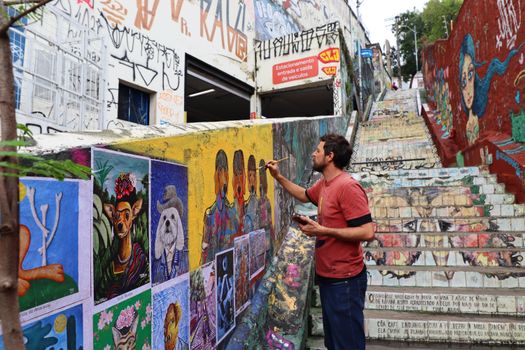
Critical thinking flourishes when students are asked to interpret a painting’s symbolism or solve problems through sculpture. Communication skills improve as students discuss and critique each other’s work or interpret historical events through theatrical performance. Collaboration is inherent in group art projects, whether it’s composing music together or building a community mural.
Creativity, perhaps the most prized skill of the future workforce, is naturally cultivated when students are encouraged to experiment, innovate, and express themselves in new ways. According to a 2019 World Economic Forum report, creativity ranks third among the top 10 skills employers will seek by 2025—ahead of complex problem-solving and emotional intelligence.
Comparing Traditional Education and Art Integration
To better understand the transformative potential of art integration, let’s compare key outcomes between traditional and art-integrated educational models.
| Aspect | Traditional Education | Art Integration |
|---|---|---|
| Student Engagement | Often passive; lecture-based | Active; hands-on and participatory |
| Learning Retention | Relies on rote memorization | Improved through multisensory experiences |
| Skill Development | Focus on content knowledge | Emphasizes creativity, critical thinking, and collaboration |
| Achievement Gaps | Persistent among marginalized groups | Reduced by offering multiple learning pathways |
| Preparation for Future Careers | Narrow focus on academic achievement | Broader skillset aligned with 21st-century demands |
As the table illustrates, art integration not only enriches academic content but also fosters the holistic development of each student.
Real-World Examples of Art Integration in Action
Across the globe, schools are embracing innovative models of art integration, often with dramatic results. In Dallas, the Big Thought initiative partners with over 100 schools, bringing teaching artists into classrooms to collaborate with educators. After five years, participating schools saw a 31% increase in standardized reading scores and a 25% increase in math scores.
In Finland, recognized for its world-class education system, art integration is a cornerstone of the national curriculum. Students might explore geometry by designing architectural models or learn about physics through dance movements. This approach has contributed to Finland’s consistent ranking in the top 10 worldwide for student achievement.
The Turnaround Arts program, launched by the Obama administration in the United States, targeted some of the nation’s lowest-performing schools. After just two years, schools reported a 23% reduction in disciplinary referrals and up to a 12% rise in reading and math proficiency.
Barriers to Art Integration and How to Overcome Them
Despite its clear benefits, art integration faces several challenges. Budget constraints are a primary obstacle—according to the National Center for Education Statistics, only 45% of U.S. elementary schools offered visual arts instruction more than once a week in 2022, and just 16% offered dance.
Another barrier is teacher preparation. Many educators feel unprepared to integrate the arts into their teaching due to limited training in artistic disciplines. Time pressures from high-stakes testing can also push creative approaches to the margins.
However, solutions are emerging. Professional development programs such as the Wolf Trap Institute for Early Learning Through the Arts provide teachers with hands-on strategies for integrating the arts, resulting in statistically significant gains in literacy and math for participating students. Partnerships with local artists, museums, and community organizations can also supplement resources and expertise.
Policy changes, such as including arts integration in state standards or leveraging federal grants, can further support this educational shift. In 2023, over 30 U.S. states recognized the arts as an essential part of a well-rounded education, opening the door for broader adoption.
The Future of Education: Art at the Core
As the demands of society continue to evolve, so too must our educational systems. Art integration is more than a trend—it’s a proven, evidence-based strategy that prepares students for both academic and real-world success. By making the arts a central component of every classroom, we unlock students’ full potential, nurture their curiosity, and equip them with the skills to thrive in a rapidly changing world.
Moving forward, schools, communities, and policymakers must work together to ensure that art integration is accessible to all students, regardless of background or zip code. The future of education is creative, collaborative, and deeply human—and art is at the heart of this transformation.