In today’s saturated marketplace, businesses are constantly seeking fresh ways to capture consumer attention, foster loyalty, and differentiate themselves from the competition. Amid the clamor for innovation, one powerful resource is often overlooked: artistic expression. By tapping into the techniques, mindsets, and aesthetics of art, companies can create compelling marketing strategies that resonate emotionally with audiences and drive meaningful engagement. From evocative visual campaigns to immersive storytelling and experiential events, utilizing artistic expression in business offers a dynamic edge. This article explores creative strategies for marketing, backed by real-world examples and actionable insights.
The Power of Artistic Expression in Modern Marketing
Artistic expression is not limited to the world of galleries and museums. In business, it represents the application of creativity—through visuals, writing, music, performance, and more—to shape brand identity and communicate with audiences on a deeper level. According to a 2022 report by Nielsen, 90% of consumers say that emotionally engaging ads are more memorable, and brands using artistic elements in campaigns can see up to a 23% lift in sales compared to those relying on conventional messaging.
Art-based marketing leverages the universal language of creativity to break through advertising fatigue. Consider the iconic Coca-Cola “Share a Coke” campaign, where personalized labels turned soda bottles into miniature works of art. This campaign increased U.S. sales by 2% in its first year—no small feat in a mature market.
.png)
Incorporating artistic expression is about more than aesthetics; it’s a strategic approach that can drive measurable business outcomes. From boosting brand recall to enhancing customer loyalty, the benefits are tangible and far-reaching.
Visual Storytelling: Beyond Traditional Advertising
Visual storytelling harnesses the power of images, graphics, and design to convey complex messages at a glance. Humans process visuals 60,000 times faster than text, making visual content an essential marketing tool. Forward-thinking businesses now employ illustrators, photographers, and even fine artists to craft campaigns that evoke curiosity, nostalgia, or excitement.
A prime example is Airbnb’s “Belong Anywhere” campaign, featuring whimsical illustrations and vibrant photography that evoke a sense of adventure and belonging. This creative approach contributed to a 30% increase in brand awareness within a year of launch.
Businesses can apply visual storytelling by:
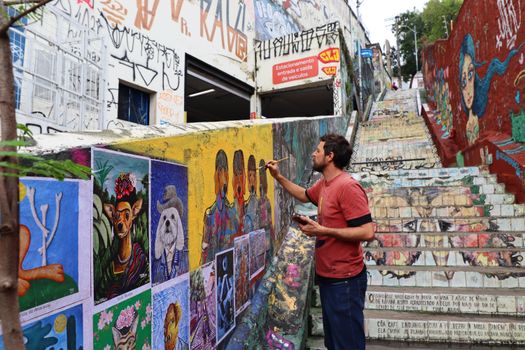
- Partnering with local artists to create limited-edition packaging or murals - Using data visualization to make complex information accessible and appealing - Developing animated explainer videos or interactive infographicsWhen customers see a brand investing in original, art-inspired visuals, they perceive it as innovative and authentic—qualities that build trust and foster long-term relationships.
Multisensory Experiences: Engaging Beyond the Visual
Artistic marketing is not restricted to what consumers see; it also involves engaging other senses to create memorable experiences. According to the Harvard Business Review, multisensory marketing can increase customer dwell time in retail environments by up to 40% and boost purchase intent by 30%.
Brands like Lush Cosmetics use scent as a powerful branding tool, creating in-store environments that stimulate the senses and invite exploration. Similarly, luxury car brands often employ customized soundtracks or lighting effects in showrooms to enhance the emotional appeal of their vehicles.
Strategies for multisensory artistic marketing include:
- Hosting immersive pop-up events with live music, interactive installations, or performance art - Integrating tactile packaging, such as embossed boxes or textured labels, into product design - Curating in-store atmospheres with curated playlists, ambient lighting, and signature scentsThese approaches transform passive consumers into active participants, deepening engagement and creating lasting positive associations with the brand.
Collaborations with Artists: Authenticity and Social Impact
Collaborating with artists can inject authenticity and cultural relevance into marketing initiatives. A 2021 survey by Edelman found that 64% of consumers expect brands to take a stand on social issues, and authentic collaborations with artists can be an effective vehicle for meaningful storytelling.
Nike’s partnership with artist KAWS for limited-edition sneakers, or Absolut Vodka’s decades-long tradition of commissioning artists like Andy Warhol and Keith Haring, are examples of how such collaborations can elevate a brand’s image and connect with new audiences. The 2018 Nike Air Jordan x KAWS release, for instance, sold out within minutes and now commands resale prices up to 600% higher than retail.
Companies can initiate successful art collaborations by:
- Co-creating product lines or special editions with artists whose values align with the brand - Sponsoring public art projects or exhibitions that reflect brand messaging - Sharing behind-the-scenes content that highlights the creative process and amplifies artist voicesCollaborations not only broaden a brand’s reach but also demonstrate a commitment to creativity and cultural engagement.
Digital Platforms and Artistic Innovation
The digital landscape offers unprecedented opportunities for artistic marketing. With the rise of social media, augmented reality (AR), and interactive digital content, brands can experiment with new forms of artistic expression that captivate tech-savvy audiences.
For instance, Gucci’s 2020 AR-powered virtual sneakers allowed users to “try on” limited-edition shoes via their smartphones—blending art, technology, and commerce in a seamless experience. The campaign reached over 19 million users worldwide and set a new standard for digital engagement in the fashion industry.
Other digital strategies include:
- Launching branded filters or AR experiences on platforms like Instagram and Snapchat - Developing interactive microsites that immerse users in a brand’s creative universe - Hosting virtual art exhibitions, live-streamed performances, or creative challenges that encourage user-generated contentDigital artistic initiatives are scalable, measurable, and can be tailored for global audiences, making them an essential component of modern marketing.
Comparing Artistic and Conventional Marketing Approaches
To illustrate the impact of artistic expression in business marketing, let’s compare it with more traditional marketing methods across key metrics.
| Aspect | Artistic Marketing | Conventional Marketing |
|---|---|---|
| Engagement Rate | Up to 60% higher (source: HubSpot 2023) | Average |
| Brand Recall | 70% (with visual/artistic campaigns) | 45% |
| Emotional Connection | Strong, lasting impact | Moderate, often short-lived |
| Campaign Longevity | Often extended through cultural relevance | Typically short campaign cycles |
| Cost | Varies; potential for high ROI | Usually predictable, but may yield lower ROI |
The data underscores that while artistic marketing may require a greater initial investment in creative talent or production, the potential returns in terms of brand loyalty, engagement, and long-term value can far exceed those of conventional approaches.
Final Thoughts on Integrating Artistic Expression in Business Marketing
Incorporating artistic expression into business marketing is not just about standing out—it’s about making a meaningful connection with your audience. As consumer expectations evolve, companies that embrace creativity, foster collaboration, and engage the senses will be best positioned to build lasting relationships and drive sustained growth.
From leveraging visual storytelling and multisensory experiences to collaborating with artists and adopting digital innovations, the possibilities are vast. Businesses willing to invest in authentic, art-inspired marketing strategies can expect not only to capture attention but to inspire action and loyalty.