Art has long been celebrated for its beauty, creativity, and ability to reflect the human experience. But in recent years, scientists, clinicians, and educators have increasingly recognized that art is more than just an aesthetic pursuit—it plays a vital role in supporting mental health and overall wellbeing. From painting and sculpture to music and dance, engaging with the arts can foster emotional resilience, reduce stress, and improve quality of life for individuals of all ages and backgrounds. This article delves into how art contributes to mental health wellbeing, exploring scientific evidence, real-world examples, and the diverse ways creativity enriches our minds.
The Science Behind Art and Mental Health
The connection between art and mental wellness isn’t just anecdotal; it’s grounded in robust scientific research. Studies across psychology, neuroscience, and medicine have revealed that engaging with art—whether creating or experiencing it—activates brain regions associated with reward, empathy, and emotional regulation.
A notable 2019 report by the World Health Organization (WHO) reviewed over 900 publications and concluded that arts engagement can positively impact both mental and physical health. For example, a study published in the Journal of Positive Psychology found that people who engaged in creative activities reported higher levels of positive emotions and life satisfaction.
.png)
Neuroimaging studies show that making or viewing art stimulates the brain’s default mode network, which is involved in self-reflection and emotional processing. Art-making also lowers cortisol levels, the hormone linked to stress, as documented in research from Drexel University. Notably, even a brief period of drawing or coloring (as little as 45 minutes) can reduce anxiety and boost mood.
Art as a Tool for Emotional Expression and Processing
One of the most profound ways art supports mental health is by providing a safe outlet for emotional expression. Many people struggle to articulate their feelings with words, especially when coping with trauma, grief, or depression. Art offers a nonverbal language—a way to convey complex emotions that might otherwise remain unexpressed.
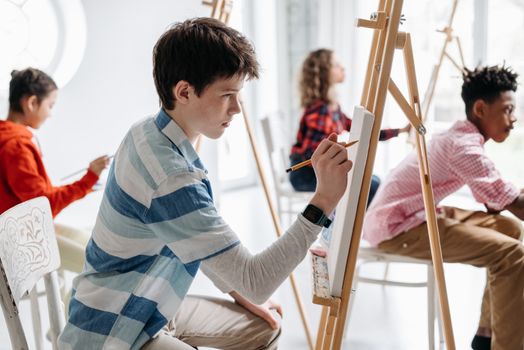
Expressive arts, such as painting, music, or dance, allow individuals to externalize their inner experiences. This can be particularly valuable for children, teenagers, and adults who find verbal communication challenging. Research published in the journal Arts & Health found that participants in community art programs reported feeling “heard” and “understood” even without speaking.
Art-based interventions are now commonly used in settings like hospitals, rehabilitation centers, and community clinics. Programs that incorporate visual arts, music therapy, or movement have demonstrated significant reductions in symptoms of anxiety, depression, and post-traumatic stress disorder (PTSD).
Fostering Social Connection and Reducing Isolation
Social isolation is a growing public health concern, especially among older adults and those living with chronic illness or disability. Art has a unique power to bring people together, fostering a sense of belonging and community.
Community art projects, group workshops, choir singing, and theater performances provide opportunities for meaningful social interaction. According to a 2022 survey by the National Endowment for the Arts, 67% of adults who participated in group arts activities reported feeling less lonely and more connected to others.
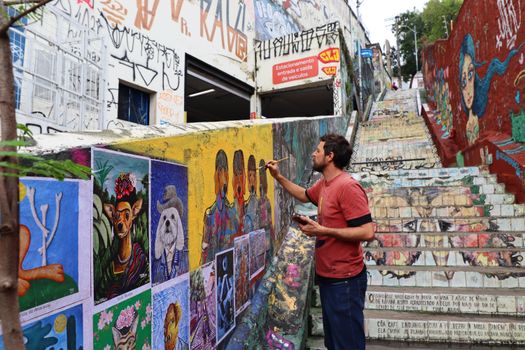
Moreover, the collaborative nature of many artistic activities encourages teamwork and empathy. For example, mural painting projects in urban neighborhoods have been shown to strengthen community ties and promote collective pride. Digital platforms have further expanded access, enabling virtual art groups and online exhibitions that connect people across geographical barriers.
Enhancing Cognitive Flexibility and Resilience
Engaging in artistic activities is not only emotionally rewarding but also cognitively beneficial. Art challenges the brain to think creatively, solve problems, and adapt to new perspectives. This cognitive flexibility is a key factor in resilience—the ability to cope with adversity and bounce back from setbacks.
A study conducted by University College London found that adults who regularly participated in creative hobbies were 32% less likely to develop dementia. Artistic engagement stimulates neural plasticity, helping the brain form new connections and adapt throughout life.
Furthermore, the process of making art often involves experimentation, embracing mistakes, and learning from failure. These experiences translate into greater psychological resilience. For example, a potter learning a new technique may face initial setbacks, but through persistence, develops confidence and adaptability—skills that are transferable to other life challenges.
Art in Healthcare: Complementary Approaches for Mental Wellbeing
The integration of art into healthcare settings has gained momentum over the past decade, reflecting a holistic approach to patient care. Hospitals, mental health clinics, and long-term care facilities increasingly offer art-based programs as a complement to traditional treatments.
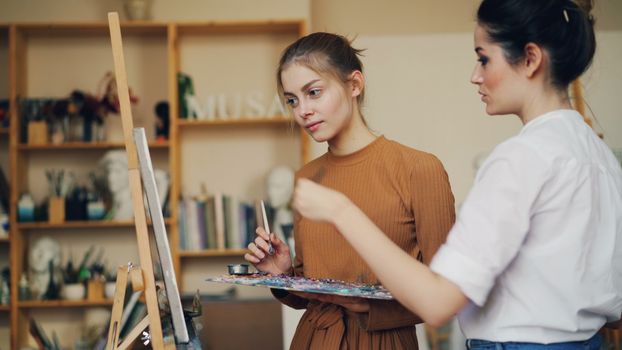
Art therapy, which uses the creative process to support psychological healing, is now recognized by the American Art Therapy Association and widely used in clinical practice. Research indicates that art therapy can significantly reduce symptoms of depression and anxiety, improve coping skills, and enhance the quality of life for patients with chronic illnesses.
Music therapy has also shown remarkable results. For instance, a 2020 meta-analysis found that music interventions reduced depressive symptoms by an average of 43% in adult patients. Similarly, hospital-based arts programs, such as bedside painting or guided music sessions, have been linked to shorter hospital stays, reduced pain perception, and greater patient satisfaction.
The table below summarizes the reported benefits of various art forms in mental health settings:
| Art Form | Reported Mental Health Benefits | Supporting Data/Studies |
|---|---|---|
| Visual Arts (Painting, Drawing) | Reduces anxiety, improves mood, enhances self-esteem | Drexel University (2016), Arts & Health (2019) |
| Music | Lowers depression and stress, improves cognitive function | JAMA Network (2020), WHO Arts and Health Report (2019) |
| Dance/Movement | Boosts emotional expression, increases energy, relieves tension | Frontiers in Psychology (2015), American Journal of Dance Therapy (2018) |
| Theater/Drama | Enhances empathy, reduces social anxiety, fosters communication | Journal of Applied Arts & Health (2017) |
Everyday Ways to Harness Art for Mental Health
You don’t have to be an artist to benefit from the positive effects of art on mental health. Simple, accessible activities can be integrated into daily life to promote emotional wellbeing. Here are some practical ways anyone can harness the power of art:
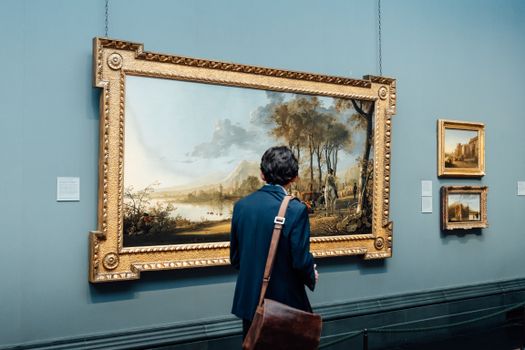
- Keep a visual journal: Sketch, doodle, or collage your thoughts and feelings. - Listen to uplifting music: Create playlists that match or shift your mood. - Join a community art class: Try pottery, painting, or photography with others. - Visit galleries or museums: Viewing art can be as therapeutic as creating it. - Dance or move to music: Express yourself physically, even in solitude. - Try coloring books for adults: These have been shown to reduce stress and anxiety.A 2023 poll by YouGov found that 41% of adults who engaged in creative activities at least once a week reported better ability to manage stress, compared to only 22% who did not.
Art, Identity, and Self-Discovery
Beyond its immediate effects on mood and stress, art plays a crucial role in the development of personal identity and self-discovery. Creating or engaging with art helps individuals explore their values, beliefs, and aspirations. This process fosters greater self-awareness and a stronger sense of purpose.
For marginalized or underrepresented groups, art can be a powerful means of reclaiming identity and voicing unique perspectives. Community murals, spoken word poetry, and cultural festivals all serve as platforms for expressing collective and individual stories. In a longitudinal study by the University of California, youth who participated in arts-based programs reported increased self-confidence and resilience in the face of social challenges.
Final Thoughts on Art’s Role in Mental Health Wellbeing
The evidence is clear: art is a potent ally in the pursuit of mental health and wellbeing. From reducing stress and fostering emotional expression to building resilience and community connection, creative engagement offers a wealth of psychological benefits. Whether you are painting a canvas, singing in a choir, or simply admiring a sculpture, making space for art in your life can be a transformative act of self-care.
As researchers continue to uncover the intricate ways in which art nourishes the mind, it is becoming increasingly important to support access to creative opportunities in schools, workplaces, and healthcare settings. By embracing the arts as an integral part of daily living, we can all cultivate greater mental resilience and a richer, more vibrant experience of life.