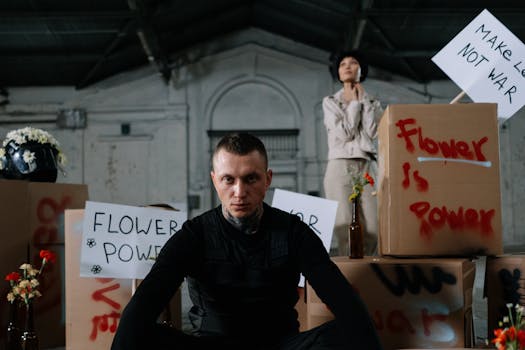
Art and Activism: How Artists Respond to Social Issues
Throughout history, art has been more than a reflection of beauty or technique—it has served as a powerful voice for social change. From protest murals splashed across city walls to poignant performances in packed theaters, artists have long played a pivotal role in shining a light on injustice, inspiring action, and sparking debate. In a world grappling with complex challenges—climate change, racial inequality, political unrest, and more—the intersection of art and activism has only grown more vital. This article explores how artists harness their creativity to address social issues, the methods they employ, real-world examples, and the tangible impact they generate in society.
The Historical Roots of Art as a Tool for Social Change
Art has been intertwined with activism for centuries, often serving as a rallying cry or a catalyst for reform. As early as the 19th century, artists used their work to confront societal issues: Francisco Goya’s "The Disasters of War" depicted the horrors of conflict, while abolitionist artists in the United States created prints and pamphlets to rally support against slavery.
In the 20th century, movements like Dada and Surrealism emerged partly in response to the devastation of World War I, using absurdity and subversion to challenge the status quo. The Mexican muralist movement—exemplified by Diego Rivera, David Alfaro Siqueiros, and José Clemente Orozco—turned public walls into vibrant canvases for social commentary, addressing themes of revolution, labor, and class struggle.
.png)
According to a 2020 report by Americans for the Arts, over 66% of Americans believe the arts "lift me up beyond everyday experiences," and nearly 60% agree that the arts help them understand other cultures better—underscoring art's capacity to foster empathy and awareness.
Forms of Artistic Activism: From Visual Art to Performance
Contemporary artists respond to social issues through an array of mediums and strategies, often blurring the lines between art, activism, and direct action. Some of the most prominent forms include:
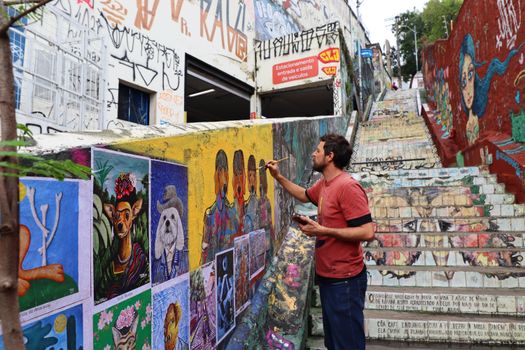
- Visual Art: Murals, graffiti, photography, and installations are used to make statements in public spaces. For instance, the Black Lives Matter street murals painted in dozens of U.S. cities in 2020 became global symbols of anti-racism activism. - Performance Art: Artists like Marina Abramović and Tania Bruguera use their bodies and actions to draw attention to political repression, gender inequality, and migration. - Digital Art and New Media: With the rise of social media and digital platforms, artists can now reach audiences worldwide. Hashtags like #Artivism and #ArtistsForClimate have helped mobilize millions for causes ranging from environmental protection to LGBTQ+ rights. - Community-Based Art: Projects that engage local populations—such as the AIDS Memorial Quilt or the Inside Out Project by JR—invite collaboration and collective storytelling.Below is a comparative overview of how different art forms have contributed to social activism:
| Art Form | Example | Primary Focus | Impact Reach |
|---|---|---|---|
| Murals & Street Art | Black Lives Matter Murals | Racial Justice | Citywide to Global (via media) |
| Performance Art | Marina Abramović's "Balkan Baroque" | War & Memory | Gallery/Festival audiences |
| Digital Art | #FridaysForFuture posters | Climate Change | Global (online campaigns) |
| Community Art Projects | AIDS Memorial Quilt | Public Health & Grief | National to Global |
Case Studies: Artists Who Changed the Conversation
Individual artists and collectives have made significant contributions to some of the most urgent social issues of their times. Here are three impactful examples:
1. Banksy: The anonymous street artist has created works tackling everything from war to consumerism. In 2017, his "Walled Off Hotel" in Bethlehem, overlooking the West Bank barrier, became both an art installation and a political statement, attracting over 50,000 visitors in its first year and sparking global conversation about the Israeli-Palestinian conflict. 2. The Guerrilla Girls: Founded in 1985, this collective of feminist artists uses humor, bold graphics, and statistics to call out gender and racial inequality in the art world. Their iconic posters—such as "Do women have to be naked to get into the Met. Museum?"—have reached millions and influenced museum acquisition policies. 3. Ai Weiwei: The Chinese contemporary artist and activist has risked imprisonment to critique government corruption and advocate for human rights. His 2010 installation "Sunflower Seeds" at Tate Modern, featuring 100 million hand-painted porcelain seeds, symbolized mass production and the loss of individuality under authoritarian regimes.These artists exemplify how creative expression can move beyond aesthetics to become a form of protest, education, and mobilization.
Measuring the Impact: Can Art Really Drive Social Change?
One of the most debated questions in the realm of art and activism is whether artistic interventions can genuinely influence social or political outcomes. While the impact of art is often indirect, there is mounting evidence that it can play a significant role in shaping public perception and inspiring collective action.
- A 2018 study published in the journal "Social Movement Studies" found that protest art can increase the visibility of movements, attract media attention, and help sustain activist engagement over time. - The AIDS Memorial Quilt, begun in 1987, is one of the largest community art projects in the world. By 2024, it comprised over 50,000 panels and directly contributed to increased funding and awareness for HIV/AIDS research. - Data from the Urban Institute shows that neighborhoods with public art report higher levels of community pride and engagement. In Philadelphia, the Mural Arts Program has produced over 4,000 murals since 1984, with 85% of surveyed residents stating that the murals improved their neighborhoods.That said, the impact of art is not always quantifiable. Its greatest strength may lie in its ability to humanize issues, trigger emotional responses, and open up new ways of seeing the world.
Challenges and Critiques: The Complexities of Artivism
While the marriage of art and activism can be powerful, it is not without challenges. Some common critiques and obstacles include:
- Co-optation and Commercialization: As activist art gains popularity, there is risk that messages are diluted or appropriated by corporations and institutions for marketing purposes—sometimes called "woke-washing." - Censorship and Repression: In many countries, artists face legal threats, censorship, or even imprisonment for expressing dissent. According to Freemuse, 711 attacks on artists and cultural workers were documented in 2022 alone. - Effectiveness: Critics argue that art can become an echo chamber, speaking only to those already sympathetic rather than changing minds or policies. - Accessibility: Not all activist art is accessible to the communities it intends to serve, particularly when displayed in exclusive galleries or circulated within elite circles.Despite these challenges, many artists are finding innovative ways to reach broader audiences, navigate censorship, and keep their messages authentic.
Future Directions: The Evolving Role of Artists in Social Movements
As technology evolves and social issues become more globalized, the role of artists in activism is also shifting. New tools and platforms are enabling creative activism to reach unprecedented scales:
- Augmented Reality (AR) and Virtual Reality (VR): These technologies allow artists to create immersive experiences around issues like climate change or migration. For example, the "Sea Prayer" VR experience, inspired by Ai Weiwei's work, helps viewers empathize with refugees. - Global Collaborations: Digital networks enable artists from different countries to collaborate on transnational projects, such as the "Amplifier" art campaigns for climate action and voting rights. - Youth Engagement: A 2021 survey by the National Endowment for the Arts found that 64% of young people ages 16-24 participate in art activities related to social causes, signaling a new generation of "artivists."As society continues to grapple with urgent challenges, artists remain at the forefront—reimagining activism, forging solidarity, and reminding us of our shared humanity.
Art and Activism: Key Takeaways for a Changing World
Art has always been a mirror to society, but in times of crisis and transformation, it becomes much more: a sounding board, a call to action, and sometimes, a lifeline. From public murals that demand justice to digital campaigns that amplify unheard voices, artists harness their creativity to spark conversation, challenge power structures, and plant the seeds of change. While measuring the impact of art can be complex, its role in shaping hearts, minds, and communities is undeniable. As new generations of artists embrace activism, the creative landscape will continue to evolve—reminding us that art is not just a reflection of the world, but a tool to remake it.