How to Get Involved in Community Art Projects: Opportunities and Benefits
Community art projects have long been vital to connecting people, revitalizing neighborhoods, and sparking creativity in both artists and non-artists alike. Whether it’s a mural brightening a city wall, a collaborative sculpture in a park, or a pop-up gallery in an empty storefront, these projects bring diverse people together to make shared spaces more vibrant and meaningful. But how can you, as an individual, become a part of this creative movement? What are the pathways to participation, and what can you gain from getting involved? This article explores the many opportunities to join community art initiatives, the wide-ranging benefits for participants and communities, and practical steps to start your own journey in collaborative art.
Understanding Community Art Projects: What Are They?
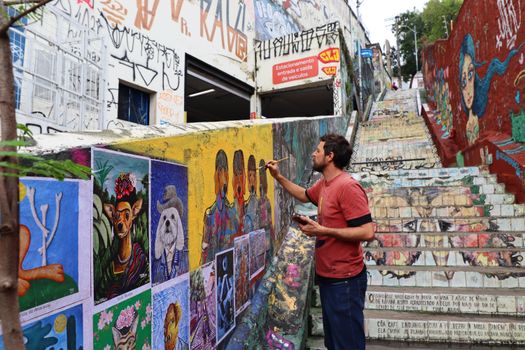
Community art projects are creative initiatives designed by, with, and for local communities. Unlike traditional art exhibitions, these projects emphasize collective participation over individual achievement. They can take many forms, such as murals, mosaics, sculpture gardens, public performances, or even digital installations. The unifying principle is inclusivity: people of all ages, backgrounds, and skill levels are encouraged to contribute their ideas and talents.
According to Americans for the Arts, more than 70% of U.S. cities have hosted at least one public art or community art project since 2010. In Europe, over 4,000 community-based art initiatives were registered in 2022 alone. These numbers highlight the growing popularity and impact of collaborative art at the local level.
.png)
Types of Community Art Projects: Finding Your Fit
There’s a community art project for nearly every interest and ability level. Understanding the types available can help you find where your passions and skills align.
| Project Type | Typical Activities | Skill Level Needed | Example |
|---|---|---|---|
| Murals & Street Art | Designing, painting, prepping surfaces | Beginner to Advanced | Neighborhood wall mural with local youth |
| Mosaic Installations | Tile cutting, arranging, grouting | Beginner | Community garden mosaic bench |
| Public Performances | Acting, music, dance, stage setup | All levels | Outdoor theater festival |
| Pop-up Galleries | Artwork curation, installation, hosting | Beginner to Advanced | Vacant storefront art show |
| Interactive Digital Art | Coding, projection mapping, content creation | Intermediate to Advanced | Light festival with digital projections |
By identifying the type of project that excites you, you can more easily find opportunities and organizations to connect with. Many projects welcome newcomers and offer training or mentoring to help you get started.
How to Discover Local Community Art Opportunities
Finding the right project to join is often the first hurdle. Here are some effective strategies to locate community art initiatives near you:
1. Local Arts Councils and Nonprofits: Most cities have an arts council or nonprofit organizations dedicated to public art. These groups often list upcoming projects, volunteer calls, and workshops on their websites or social media pages. For example, the Prague City Gallery regularly posts calls for mural volunteers and open studio events. 2. Community Centers and Libraries: Public spaces like libraries and recreation centers frequently host art-based activities, especially during summer months or holidays. These may include intergenerational art days, collaborative sculptures, or art walks. 3. Online Platforms: Websites like VolunteerMatch, Meetup, and Eventbrite allow you to search for art-related events and projects by location. In 2023, over 15,000 art-related volunteer opportunities were posted on VolunteerMatch alone. 4. Social Media Groups: Facebook, Instagram, and Nextdoor are excellent for finding grassroots projects. Search for local art groups or hashtags such as #CommunityArt or #ArtInPublicSpaces to see what’s happening nearby. 5. Universities and Colleges: Many art schools and universities organize public art initiatives and are open to community participation, not just students. 6. Word of Mouth: Don’t underestimate the power of talking to local artists, teachers, or shop owners. Many projects begin with informal conversations and grow through personal networks.Steps to Successfully Join or Start a Community Art Project
Once you’ve identified a project or organization that interests you, taking the next step can feel daunting. Here’s a simple roadmap to get involved:
1. Research and Reach Out: Gather information about the project, its goals, and who’s organizing it. Email or call the organizers, expressing your interest and asking about roles for volunteers or participants. 2. Attend an Orientation or First Meeting: Many projects begin with a kickoff meeting or workshop. Attending helps you understand the vision, meet other participants, and learn about the creative process and safety guidelines. 3. Contribute Your Skills: Whether you’re an experienced artist, a beginner, or someone with organizational or technical skills, there is a role for you. Community art thrives on diverse contributions—painting, logistics, social media, fundraising, or even simply providing encouragement. 4. Be Reliable and Open-Minded: Consistency and willingness to collaborate are highly valued. Community art often involves compromise and adaptation to group ideas. 5. Document and Celebrate: Take photos, share your experience on social media, and invite friends or family to see the finished work. Celebrating the project’s completion helps build momentum for future initiatives.If you’re interested in starting your own community art project, begin by identifying a public space in need of transformation. Connect with local authorities or property owners to get permission, then rally community members and potential sponsors to support your vision.
The Multifaceted Benefits of Participating in Community Art
Engaging in community art projects offers a remarkable array of benefits, both personal and collective. Here are some of the most compelling:
1. Building Social Bonds: Studies show that involvement in collaborative art increases social cohesion. A survey by the UK’s Arts Council found that 82% of participants in community art projects made new friends or strengthened relationships with neighbors. 2. Enhancing Well-being: The act of creating together has been linked to improved mental health, reduced stress, and greater feelings of belonging. In a 2021 study, 68% of participants reported a significant boost in self-esteem and happiness after joining a local mural project. 3. Skills Development: Community art is an accessible way to learn new artistic techniques, project management, teamwork, and even leadership skills. Participants often find these skills transferable to work, school, or other community activities. 4. Beautifying Public Spaces: Community art transforms neglected or uninspiring areas into vibrant landmarks, increasing neighborhood pride and even property values. For example, Philadelphia’s Mural Arts Program has completed over 4,000 murals since 1984, contributing to a 15% decrease in neighborhood crime rates near mural sites. 5. Amplifying Voices: These projects often give a platform to underrepresented groups, allowing communities to express shared values, histories, or aspirations through visual or performing arts.Overcoming Common Barriers to Participation
Despite the many benefits, some people hesitate to get involved in community art due to common misconceptions or fears. Let’s dispel a few myths:
- “I’m not artistic enough.” Most projects welcome people at all skill levels. The collaborative nature means there’s room for everyone, from experienced artists to enthusiastic supporters. - “I don’t have time.” Many community art opportunities are flexible, with options for one-time participation or ongoing involvement based on your schedule. - “It’s only for young people.” Intergenerational projects are increasingly popular, and seniors or adults are often among the most valued contributors. - “I won’t know anyone.” Participation is a great way to expand your social circle and feel more connected to your neighborhood.Organizers often provide orientation, materials, and guidance, making it easy to get started regardless of experience or background.
Expanding Your Impact: From Local Art to Lasting Change
Getting involved in community art is rarely a one-time affair. Many participants find themselves inspired to take on new roles, mentor others, or even lead future projects. As you gain experience, consider:
- Collaborating across communities: Partner with neighboring groups to create larger regional projects. - Advocating for public art funding: Attend city council meetings or join advocacy campaigns to support arts funding. - Sharing your story: Write articles, give talks, or create online content to inspire others to get involved.Community art’s ripple effect can extend far beyond the original project, fostering a culture of creativity, inclusion, and civic pride that benefits everyone.