Displaying your own art—whether you’re an artist eager to showcase your latest masterpiece or a collector looking to highlight a prized acquisition—is both an art and a science. Proper display doesn’t just enhance the visual impact of a piece; it can also protect it, increase its emotional resonance, and even add value. With millions of artworks hanging in homes and galleries worldwide, knowing how to present art thoughtfully makes all the difference. This article will guide you through innovative, expert-backed strategies for displaying your own art, going well beyond the usual advice about frames and lighting. Let’s explore how to give your art the presentation it truly deserves.
The Psychology of Art Display: How Placement Influences Perception
The way you display art dramatically shapes how viewers experience it. According to a 2023 report by Artsy, 78% of surveyed collectors felt that art’s placement within a room changed their emotional response to the piece. Visual context—such as the wall color, surrounding décor, and even the height at which art is hung—can amplify or mute its impact.
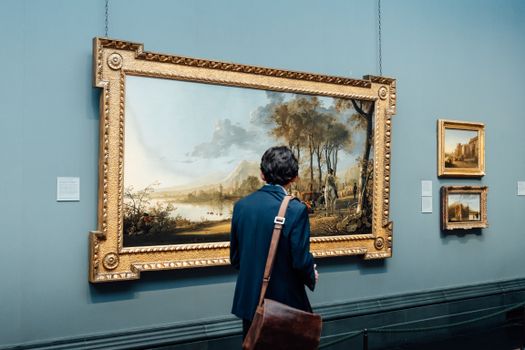
For example, placing a bold abstract painting on a neutral wall makes the colors pop, while hanging it above a vividly patterned sofa may cause visual competition. Museums typically hang art so that the center of the piece is about 57 inches from the floor, matching average eye level. This standard creates a comfortable, immersive viewing experience. For groupings, curators often recommend aligning the central axis of each frame, rather than their tops or bottoms, for a harmonious look.
.png)
If you’re displaying multiple pieces, consider the psychological effect of their arrangement. A grid layout conveys order and calm, while a salon-style “gallery wall” suggests creativity and energy. Experiment by laying your arrangement out on the floor before committing to hooks in the wall. Even a small shift in placement—just a few inches—can transform the mood of a room and the power of a piece.
Environmental Considerations: Protecting Your Art for the Long Term
Displaying art isn’t only about aesthetics; it’s also about preservation. An estimated 60% of art damage in private collections comes from improper display conditions, according to the American Institute for Conservation. Light, humidity, and temperature are the primary culprits.
Direct sunlight is particularly harmful, causing colors to fade and paper or canvas to deteriorate. LED lighting is a safer bet, as it emits minimal UV rays and can be adjusted for warmth and intensity. Experts recommend keeping art away from heat sources, radiators, and vents, where temperature fluctuations can cause warping or cracking.
Humidity is another major factor. The Smithsonian Institution suggests maintaining a relative humidity (RH) of 40-60% for most artworks. In overly dry environments, paper and wood can become brittle; in damp conditions, mold may develop. Investing in a simple hygrometer to monitor RH and using humidifiers or dehumidifiers as needed can greatly extend the life of your art.
For valuable or delicate pieces, consider museum glass or acrylic glazing, which blocks up to 99% of UV light. Archival framing materials, such as acid-free mats and backing boards, prevent yellowing and degradation. When in doubt, consult a professional conservator for advice tailored to your specific artwork.
Creative Display Solutions: Beyond the Traditional Frame
While classic framing is timeless, today’s artists and collectors are embracing inventive display methods that make a statement. Floating shelves, magnetic rails, and modular hanging systems let you change up your display frequently without damaging walls—a boon for those with growing collections or a penchant for redecorating.
For three-dimensional works like sculpture or ceramics, consider custom pedestals, wall-mounted shelves, or even recessed niches. Lighting these pieces with adjustable spotlights can create dramatic shadow play and highlight textures. Textile art, such as tapestries or quilts, can be mounted on rods or stretched over frames for a contemporary twist.
Digital art and NFTs (non-fungible tokens) are gaining traction. Dedicated digital frames, such as the Meural Canvas and Samsung’s The Frame, allow you to display high-resolution digital works and change images via app. As of 2024, over 1.5 million digital art frames have been sold globally, reflecting a shift in how art is both created and experienced.
Interactive displays are another trend, especially in home galleries or creative studios. Chalkboard paint or magnetic walls let you combine traditional art with sketches, notes, or memorabilia, fostering an evolving, personalized environment.
Lighting Your Art: Techniques for Maximum Impact
Lighting is a critical, often overlooked, aspect of art display. It not only reveals color and detail but also sets the mood. The right lighting can make a painting glow or a sculpture come alive. According to a 2022 survey by the International Association of Lighting Designers, 82% of respondents agreed that professional lighting increased their appreciation of art at home.
Here’s a comparative overview of common lighting options:
| Lighting Type | Pros | Cons | Best For |
|---|---|---|---|
| LED Track Lighting | Energy-efficient, adjustable, low UV emission | Initial installation cost | Flexible, whole-room setups |
| Picture Lights | Direct illumination, easy installation | May cause glare, limited coverage | Individual paintings or photos |
| Recessed Ceiling Lights | Clean look, even distribution | Fixed position, potential for heat | Galleries, minimalist spaces |
| Wall Washers | Soft, ambient effect, highlights texture | Requires wall space, less dramatic | Large works or textured surfaces |
| Digital Frames with Built-in Lighting | Integrated, customizable | Dependent on power, screen reflectivity | Digital art, changing displays |
Aim for a color temperature of around 3000K (warm white) for paintings and prints, as this closely mimics natural light. Adjustable fixtures allow you to direct light precisely, minimizing glare and reflections. When displaying behind glass, use anti-reflective glass to reduce distracting shine.
If you’re on a budget, even simple clip-on LED spotlights can make a significant difference. Remember: avoid placing lights too close to the artwork, as heat buildup can cause damage over time.
Curating a Narrative: Storytelling Through Art Display
Art isn’t just for looking at—it tells a story. The way you group and sequence your artwork can evoke emotions, highlight connections, and spark conversation. Whether you’re an artist showing your own series or a collector with eclectic tastes, curating a narrative adds depth and meaning to your display.
Start by identifying themes, colors, or motifs that link pieces together. For example, you might create a wall dedicated to landscapes in varying styles, or juxtapose abstract works with figurative ones to highlight contrasts. Thematic groupings can guide viewers through your collection and encourage deeper engagement.
Consider integrating objects or ephemera that relate to the art—a vase next to a floral painting, or a vintage camera beside a photographic print. This approach, known as “contextual display,” is used by leading galleries to create a richer experience. According to a 2021 study by the Association of Art Museum Curators, visitors spent 42% longer engaging with works presented in a narrative context versus standalone display.
Rotating your display periodically keeps the space fresh and allows different pieces to take center stage. Changing art with the seasons, or for special occasions, can also reflect your evolving tastes and stories.
Final Thoughts on Showing Off Your Own Art
The way you display your art is a creative act in itself—one that can enhance your enjoyment, protect your collection, and inspire everyone who visits your space. By considering psychological impact, environmental factors, innovative display solutions, expert lighting, and the power of storytelling, you can transform any room into a personal gallery.
Remember, there’s no single “right” way to display art. The best approach is the one that reflects your style, respects the integrity of the artwork, and invites connection. Whether you’re an emerging artist or a seasoned collector, thoughtful display will help your art shine for years to come.