Art and Ecology: How Artists Can Contribute to Environmental Protection
The relationship between art and the environment is as old as human civilization. From prehistoric cave paintings that celebrated animals and landscapes to contemporary installations that confront ecological crises, artists have always been deeply connected to the natural world. But in recent decades—amid urgent concerns about climate change, pollution, and biodiversity loss—the intersection of art and ecology has evolved into a powerful movement. Today, artists are not just reflecting nature in their work; they are actively contributing to environmental protection, awareness, and change.
This article explores the many dynamic ways artists can—and do—influence ecological action. We’ll look at eco-friendly art practices, the impact of powerful environmental messages in creative works, collaborative community projects, and how art can inspire sustainable mindsets. By understanding these connections, we can see how creativity becomes a catalyst for a healthier, more sustainable planet.
Eco-Friendly Art Practices: Redefining Materials and Methods
Traditional art materials—such as oil paints, certain dyes, and synthetic canvases—have long been associated with environmental concerns. Many contain toxic chemicals or are derived from non-renewable resources. However, a new generation of artists is pioneering sustainable alternatives that significantly reduce ecological footprints.
.png)
For instance, “upcycling” has become a popular trend. Artists like Vik Muniz have gained international acclaim for transforming discarded materials—such as garbage, plastics, and scrap metal—into intricate works of art that both reuse waste and provoke reflection on consumer culture. In fact, according to a 2022 survey by ArtNet, over 35% of surveyed contemporary artists reported regularly using recycled materials in their work.
Eco-friendly practices also extend to sourcing and production. Natural pigments made from plants, minerals, or even food waste are replacing synthetic alternatives. In ceramics, some studios now use locally sourced clay and renewable energy kilns. Digital art, while not without its own carbon footprint, can be a low-waste alternative to traditional forms.
Consider this comparison of traditional versus eco-friendly art materials:
| Material | Traditional | Eco-Friendly Alternative | Environmental Impact |
|---|---|---|---|
| Paint | Oil-based, acrylic (petrochemical) | Plant-based, mineral pigments | Lower toxicity, biodegradable |
| Canvas | Polyester blend | Organic cotton, hemp | Reduced pesticide use, renewable |
| Sculpture | Virgin plastics, metals | Recycled/reclaimed materials | Less landfill waste, lower resource extraction |
| Paper | Bleached, virgin pulp | Recycled paper, tree-free (bamboo, hemp) | Decreased deforestation & pollution |
By adopting these alternatives, artists not only lessen their direct environmental impact but also set a visible example for audiences and fellow creators.
Art as Environmental Advocacy: Raising Awareness and Inspiring Action
Art has a unique power to move people emotionally and intellectually. For centuries, artists have used their craft to comment on pressing social issues. Today, environmental art—sometimes called “eco-art”—serves as a vital tool for advocacy and education.
Major public installations, such as Olafur Eliasson’s “Ice Watch” (where giant blocks of glacial ice were brought to city squares to melt before viewers' eyes), confront the public with the tangible reality of climate change. In 2018, Eliasson’s project reached over 1.2 million people in London and Paris, sparking widespread discussion in media and online.
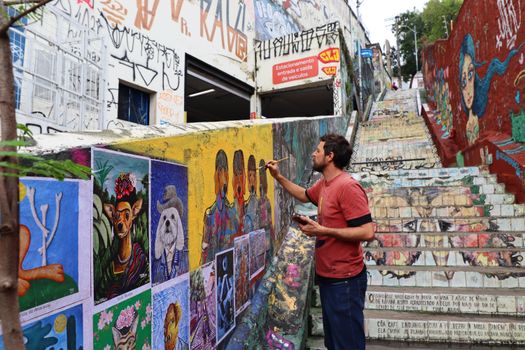
Murals, street art, and photography campaigns can also bring attention to local ecological issues, such as deforestation, endangered species, or polluted waterways. The 2020 “Sea Walls: Artists for Oceans” initiative, for example, saw over 400 murals painted in 18 countries, using art to highlight the importance of ocean conservation.
Art can make environmental science accessible. A striking image, a haunting sculpture, or an interactive exhibit can communicate complex ecological concepts far more effectively than statistics alone. This emotional resonance is essential: a 2021 study from the Yale Program on Climate Change Communication found that 48% of people exposed to climate-themed art reported increased motivation to support environmental causes.
Community-Based Eco-Art Projects: Fostering Local Change and Participation
While individual artists can have a broad reach, community-based art projects are especially effective for fostering local environmental action. These collaborative efforts engage residents, students, and organizations in both the creation of art and the stewardship of natural spaces.
One notable example is the “Green Walls” movement, where artists and volunteers paint or install living murals on building exteriors, using native plants to beautify urban spaces and improve air quality. In 2021, a living wall installed in London was found to reduce local air pollution by up to 20%, according to research published by the Royal Horticultural Society.
Other projects invite communities to participate in river cleanups, transform vacant lots into sculpture gardens, or create art using invasive plant species. These activities not only beautify neighborhoods but also foster a sense of shared responsibility for local ecosystems.
Art-based environmental education programs are also on the rise. In the United States, the National Park Service’s “Artists in Residence” program brings artists into protected areas to create works that interpret and celebrate natural heritage, while also involving local students in creative conservation activities.
Art Collectives and Cross-Disciplinary Collaborations for Ecological Innovation
No single artist can solve the world’s environmental challenges alone. Increasingly, artists are joining forces with scientists, engineers, and environmental activists to create innovative solutions and public interventions.
One notable initiative is the “Cape Farewell” project, which brings together artists, writers, and climate scientists on Arctic expeditions to document and interpret the impact of global warming. The resulting exhibitions, films, and performances have reached millions worldwide, blending scientific insight with creative storytelling.
Similarly, collectives like “The Center for Sustainable Practice in the Arts” connect artists with environmental experts to develop new methods of sustainable production, exhibition, and outreach. According to a 2023 report by Julie’s Bicycle, over 60% of UK arts organizations are now actively engaged in sustainability initiatives, often working in partnership with other sectors.
Cross-disciplinary projects can also lead to the development of new eco-friendly materials—such as biodegradable plastics for sculpture—or the creation of interactive installations that monitor and display real-time environmental data.
Shaping Sustainable Mindsets: The Lasting Impact of Ecological Art
Perhaps the most profound contribution artists can make to environmental protection is cultural. Art shapes how we see the world—and ourselves within it. By imagining alternative futures, celebrating the beauty of nature, and exposing the consequences of ecological neglect, artists influence societal values and priorities.
A 2020 survey by the World Economic Forum found that 71% of respondents believed art has a “significant influence” on public attitudes toward sustainability. When people are moved by a painting, performance, or installation, they are more likely to adopt eco-friendly behaviors, support green policies, or advocate for systemic change.
Many artists also use their platforms to promote sustainable lifestyles—such as zero-waste studios, carbon-neutral exhibitions, or eco-conscious fashion lines. The ripple effect is real: when influential creators champion environmental causes, their fans and followers often take notice and action.
Final Thoughts: The Vital Role of Artists in Environmental Protection
Artists have always helped society see with new eyes and imagine new possibilities. In the face of the ecological crises that define our era, their creative vision is more essential than ever. From adopting sustainable materials to mobilizing communities, from collaborating with scientists to inspiring a cultural shift toward sustainability, artists are uniquely positioned to drive environmental protection.
Their work reminds us that protecting the planet is not just a technical or political challenge—it is a matter of imagination, empathy, and shared responsibility. As audiences, supporters, and fellow citizens, we all benefit from the intersection of art and ecology. By supporting eco-conscious artists and initiatives, we help ensure a vibrant, sustainable future for both art and the Earth itself.