The world of art has always been a reflection of its time, shaped by cultural, social, and technological shifts. In the 21st century, the intersection of art and technology is not just a trend—it's a transformative force redefining what it means to be an artist, how artwork is created, and the way audiences experience creativity. From digital brushes and AI-powered tools to immersive virtual galleries, technology is fundamentally altering the artistic landscape. But how exactly are these digital tools changing the process and possibilities of artistic creation? Let’s explore the evolving relationship between art and technology, looking at real-world examples, innovative tools, and the profound implications for artists everywhere.
The Digital Canvas: Expanding Artistic Possibilities
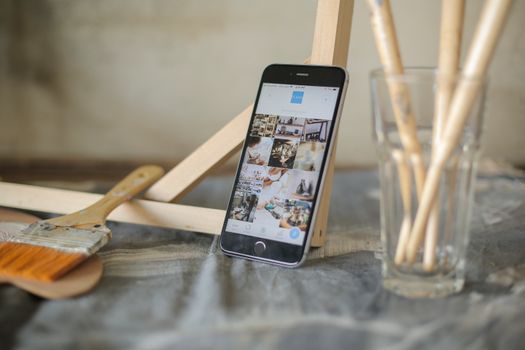
For centuries, artists relied on tangible tools: brushes, canvases, chisels, and pigments. Today, the "canvas" has gone digital. Software programs like Adobe Photoshop, Corel Painter, and Procreate have become as essential as oil paints once were. These platforms empower artists to experiment freely, undo mistakes, and iterate faster than ever before.
The accessibility of digital creation is a game-changer. According to a 2023 Statista survey, over 77% of professional artists under 35 now use digital tools in some aspect of their workflow, a dramatic increase from just 42% in 2010. Digital art tablets, such as the Wacom Cintiq or Apple iPad Pro with Apple Pencil, offer pressure sensitivity and tactile feedback that closely mimic traditional media, bridging the gap between analog and digital experiences.
.png)
Moreover, digital tools unlock new forms of expression. Artists can layer photos, textures, and hand-drawn elements; they can animate, manipulate, and even code generative art. The boundaries between disciplines blur—illustrators become animators, painters become designers, and photographers become digital collage artists. The "digital canvas" is not just a new medium; it’s a portal to creative frontiers previously unimaginable.
From Code to Creativity: Generative Art and Artificial Intelligence
One of the most fascinating developments in recent years is the rise of generative art—art created in whole or in part using autonomous systems like algorithms, computer code, or artificial intelligence (AI). Artists like Refik Anadol and Mario Klingemann have leveraged machine learning to create mesmerizing works that evolve in real-time or respond to viewer input.
AI-powered tools, such as DALL-E, Midjourney, and DeepDream, allow artists to generate unique images from textual descriptions or remix existing artworks in novel ways. In 2022, the AI-generated portrait "Edmond de Belamy" sold at Christie’s for a staggering $432,500, signaling both the market value and cultural intrigue of machine-made art.
Generative art democratizes creation, enabling those with coding skills—or even just an idea—to produce visually stunning works without years of technical training. It also raises profound questions about authorship and originality: If an AI generates an artwork, who is the artist—the coder, the algorithm, or the machine itself?
Collaboration and Connectivity: The Rise of Online Art Communities
Digital technology isn't just changing how art is made—it's transforming how artists connect, collaborate, and share their work. Platforms like Behance, DeviantArt, and ArtStation provide global stages for both emerging and established creators. According to Artsy, over 65% of new art collectors in 2023 discovered artists online before purchasing their work.
These platforms foster feedback, mentorship, and collaboration. Artists participate in virtual critiques, join themed challenges, or co-create pieces with collaborators across continents. Livestreaming tools (such as Twitch Creative and YouTube Live) let artists share their process in real time, building communities and engaging directly with fans.
Moreover, the rise of non-fungible tokens (NFTs) has revolutionized digital art ownership. Artists can now sell digital originals, ensuring provenance and authenticity. In 2021 alone, NFT art sales topped $2.5 billion globally, creating new revenue streams and reshaping the economics of artistry.
Immersive Experiences: Virtual and Augmented Reality in Art
Virtual reality (VR) and augmented reality (AR) have ushered in a new era of immersive art. With VR platforms like Tilt Brush (by Google) and Oculus Medium, artists can "draw" in three-dimensional space, literally walking around their creations. Exhibitions and installations can now exist entirely in virtual worlds, accessible to anyone with a headset.
AR, on the other hand, blends digital content with the physical environment. Artists use AR apps to overlay animations or sculptures onto real-world settings, turning city streets or living rooms into interactive galleries. In 2020, the "Acute Art" app collaborated with artists like KAWS and Olafur Eliasson to launch AR exhibitions viewable worldwide via smartphones.
These technologies democratize access—no longer limited by geography, anyone can experience global art events from home. They also open unprecedented creative possibilities: art can move, react, and evolve in response to viewers, making the audience an integral part of the artistic process.
Comparing Traditional and Digital Art Creation: A Closer Look
To better understand the impact of digital tools, let’s compare key aspects of traditional and digital art creation:
| Aspect | Traditional Art | Digital Art |
|---|---|---|
| Materials/Tools | Paint, canvas, brushes, etc. | Tablet, stylus, software |
| Cost Over Time | Recurring (paints, canvases, framing) | High initial (hardware/software), lower recurring |
| Reproducibility | Limited (prints, photographs) | Unlimited perfect copies |
| Editing/Flexibility | Challenging (mistakes often permanent) | Easy (undo, layers, non-destructive editing) |
| Distribution | Physical galleries, shipping required | Instant, global via internet |
| Audience Reach | Local/regional | Global |
| Environmental Impact | Use of physical resources, waste | Lower material waste, higher energy use |
This comparison highlights some of the advantages of digital tools—such as greater flexibility, instant global access, and lower recurring costs—while also acknowledging new challenges, such as the environmental footprint of digital storage and the need for continual software updates.
Challenges and Ethical Questions in the Digital Art Age
While digital technology opens incredible opportunities, it also brings challenges and ethical considerations. Intellectual property rights are a growing concern. With digital files easily copied and shared, protecting original work can be difficult. The rise of AI-generated art further complicates questions of authorship and copyright.
Additionally, the fast-paced evolution of technology can be daunting for artists accustomed to traditional methods. The cost of hardware and software, the need for ongoing training, and the risk of technological obsolescence are real barriers. According to a 2022 Pew Research Center report, 38% of artists surveyed felt overwhelmed by the rapid changes in digital art tools.
There are also broader societal implications. As art creation becomes more accessible, it democratizes creativity but also saturates the market. Discoverability becomes a challenge, and artists must adapt to new models of marketing, self-promotion, and community engagement.
The Future of Art and Technology: What Lies Ahead?
As we look to the future, the fusion of art and technology promises to become even more dynamic. AI will continue to evolve, perhaps enabling entirely new genres of art or automating complex animation and design tasks. Blockchain technology may provide more robust systems for confirming provenance and compensating artists.
Education is also changing. Art schools now offer courses in digital illustration, 3D modeling, virtual reality, and creative coding alongside traditional disciplines. This new hybrid skillset is shaping a generation of artists comfortable navigating both physical and digital realms.
Importantly, technology does not replace the artist’s vision—it amplifies it. Digital tools are just that: tools. The heart of art remains human creativity, imagination, and the drive to connect. As technology continues to evolve, so too will the ways we express, share, and experience art.