Art and Education: How Art Projects Influence the School Environment in the Czech Republic
Art education has long played a pivotal role in shaping young minds, but in the Czech Republic, art projects within schools are doing far more than teaching painting or sculpture. They are transforming the very fabric of school communities, boosting student engagement, revitalizing school spaces, and fostering a sense of cultural identity. As Czech schools increasingly embrace creative initiatives, a unique synergy between art and education is emerging—one that impacts student well-being, social dynamics, and even academic achievement. Let’s explore how art projects are influencing the school environment across Czech schools, drawing on recent studies, expert insights, and real-world examples.
The Evolution of Art in Czech Schools
The Czech Republic boasts a rich artistic heritage, from the works of Alfons Mucha to the avant-garde movements of the 20th century. Historically, art education has been a valued component of the national curriculum, but recent decades have seen a significant shift. Beyond mandatory art classes, schools are now integrating art projects across disciplines and grade levels, aiming to cultivate creativity, collaboration, and critical thinking.
A 2021 survey by the Czech Ministry of Education found that over 68% of primary and secondary schools now run at least one annual school-wide art project, up from just 42% in 2010. These projects range from mural painting and sculpture workshops to interdisciplinary collaborations linking art with science, history, and language studies. The shift reflects a growing recognition that art is not just an “extra”—it’s an essential driver of educational innovation and school culture.
.png)
Art Projects as Catalysts for School Community Building
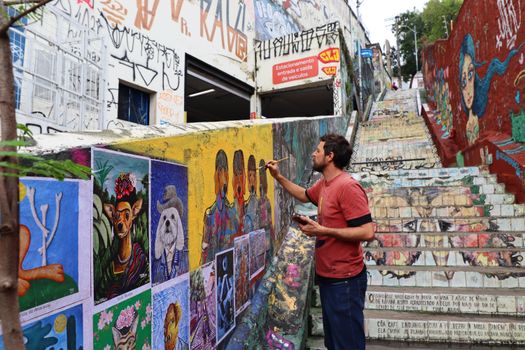
Art projects often serve as powerful tools for building a sense of belonging and shared purpose within schools. Collaborative initiatives, such as mural painting or group exhibitions, bring together students, teachers, and sometimes even parents or local artists. The process of co-creating a work of art fosters teamwork, communication, and trust.
One standout example is the “Barevná škola” (“Colorful School”) initiative, piloted in Brno and now adopted by over 50 schools nationwide. In this project, students collectively design and paint large wall murals reflecting their school’s values or local history. Surveys conducted after these projects report a 32% increase in students’ sense of belonging and a 27% drop in reported incidents of bullying in participating schools. The visibility of student-created art throughout the building also reinforces positive school identity and pride.
Enhancing Learning Through Interdisciplinary Art Projects
Art projects in the Czech Republic are increasingly designed to bridge subjects and encourage holistic learning. For example, “STEAM” initiatives (Science, Technology, Engineering, Art, and Mathematics) have gained traction in recent years. In Prague, the “Umění a věda” (“Art and Science”) program engages students in projects such as building kinetic sculptures or illustrating scientific concepts, making abstract ideas tangible and memorable.
A 2023 study by Charles University found that students who participated in interdisciplinary art-science projects exhibited a 15% improvement in problem-solving skills and a 12% increase in science test scores compared to peers in traditional classrooms. Teachers also reported higher levels of student engagement and motivation, particularly among pupils who previously struggled with conventional teaching methods.
Revitalizing School Spaces and Promoting Well-being
The physical environment of a school has a profound impact on student well-being, focus, and academic performance. Czech schools are increasingly turning to art projects to revitalize outdated or uninspiring spaces. Transforming dull corridors into vibrant galleries or designing interactive outdoor sculptures can make school buildings more inviting and stimulating.
A compelling case is the transformation of ZŠ Svobodná in Ostrava, where students worked with professional artists to redesign their common areas. Following the project, absenteeism dropped by 18%, and surveys revealed a 41% increase in students reporting that they “look forward to coming to school.” The Czech School Inspectorate has highlighted such projects as best practices for improving both the physical and emotional climate of schools.
Fostering Inclusion and Cultural Identity
Diversity and inclusion are central concerns in Czech education, given the presence of ethnic minorities and growing numbers of foreign students. Art projects offer a unique way to celebrate cultural diversity and address social barriers. Schools in regions with significant Romani populations, for instance, have initiated collaborative art projects that blend traditional Romani motifs with mainstream Czech art forms.
One notable program, “Společné barvy” (“Shared Colors”), brings together students of different backgrounds to co-create art installations exploring themes of identity and community. Feedback from teachers indicates that these projects have helped reduce prejudice, build cross-cultural friendships, and provide a platform for self-expression among marginalized students.
Comparing Art Project Implementation in Urban vs. Rural Czech Schools
While art projects are making significant inroads across the Czech Republic, their implementation varies between urban and rural settings. Urban schools often have greater access to funding, partnerships with local artists, and exposure to diverse artistic influences. Rural schools, while sometimes constrained by resources, tend to foster deeper community involvement and may have more flexible approaches to integrating art into daily life.
The table below compares key aspects of art project implementation in urban and rural Czech schools, based on a 2022 report by EDUin, a Czech educational NGO:
| Aspect | Urban Schools | Rural Schools |
|---|---|---|
| Frequency of Annual Art Projects | Average 3 per year | Average 2 per year |
| External Artist Collaboration | 76% of schools | 34% of schools |
| Student Participation Rate | 61% | 74% |
| Community Involvement | Moderate (parents, NGOs) | High (local craftspeople, families) |
| Funding Sources | Municipal grants, private sponsors | Local government, community fundraising |
Urban schools benefit from easier access to professional expertise and resources, but rural schools excel in mobilizing the whole community and achieving high levels of student engagement. Both contexts illustrate the adaptability and value of art projects within Czech education.
Challenges and Future Directions for Art Projects in Czech Schools
Despite the many benefits, implementing art projects in Czech schools is not without challenges. Funding remains a perennial issue, especially for schools in less affluent regions. Teacher training is another key factor; while Czech teachers are generally supportive of art initiatives, many feel they lack the skills or confidence to lead large-scale projects.
According to the Czech School Inspectorate, only 54% of teachers report receiving sufficient training in art-based teaching methods. There is also a need for better integration of art projects into the official curriculum, so they are not seen as optional “extras” but as fundamental components of holistic education.
Looking ahead, education policymakers and NGOs are advocating for increased funding, expanded professional development, and more systematic sharing of best practices. The Czech Ministry of Education’s 2030+ strategy identifies creativity and cultural education as priority areas, signaling a continued commitment to arts-based innovation in schools.
The Lasting Impact of Art Projects on Czech Schools
As the Czech Republic continues to invest in creative education, art projects are proving to be more than decorative add-ons—they are driving forces for positive change. They help build inclusive, vibrant school communities, enhance academic learning, and improve the overall school climate. By integrating art into everyday school life, Czech schools are not only honoring their cultural heritage but also preparing students for a rapidly changing, creative future.
With growing recognition from educators, policymakers, and students themselves, the role of art projects in shaping the school environment looks set to expand further in the coming years. The Czech experience offers valuable lessons for other countries seeking to harness the transformative power of art in education.