Art has long been celebrated for its beauty and capacity to inspire. Yet, beyond galleries and studios, art is proving itself a powerful tool in the realm of mental health. Across the globe, therapists, researchers, and individuals are discovering how creative expression can be a pathway to healing, resilience, and self-understanding. This article explores the importance of art in therapy, detailing how artistic activities are helping people manage stress, process trauma, and build emotional well-being.
The Science Behind Art Therapy: Connecting Mind and Emotions
Art therapy is not just a creative pastime—it is a structured therapeutic practice backed by research. The American Art Therapy Association defines art therapy as an integrative mental health profession that utilizes the creative process to improve psychological well-being.
A growing body of scientific evidence supports its effectiveness. For example, a 2018 study published in $1 found that just 45 minutes of art-making can significantly reduce levels of the stress hormone cortisol. This physiological change can help individuals feel calmer and more centered.
.png)
The neurological basis for art therapy lies in how creative expression engages multiple regions of the brain. When we draw, paint, or sculpt, the brain’s right hemisphere (associated with emotions and creativity) becomes active. This non-verbal engagement allows people to process feelings that may be difficult to articulate with words. For those with trauma, depression, or anxiety, art therapy can bypass language barriers, enabling deep emotional work.
Who Can Benefit from Art Therapy?
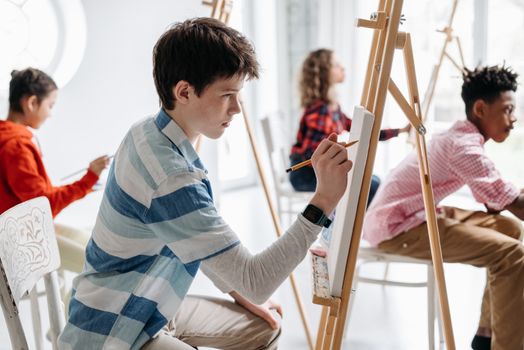
One of the most compelling aspects of art therapy is its universality. It can be adapted to nearly any age group, ability level, or cultural background. Children, teens, adults, and seniors—everyone can benefit from expressing themselves through art.
Art therapy is commonly used to support people facing the following challenges:
- Trauma and PTSD: Survivors of abuse, violence, or disasters often find relief in art therapy. In a 2020 meta-analysis, researchers found that trauma-focused art therapy significantly reduced PTSD symptoms, with effect sizes ranging from 0.35 to 0.68 on standard psychological scales. - Depression and Anxiety: Art-making has been shown to elevate mood and reduce anxious thoughts. A 2017 study from Drexel University reported that 75% of participants experienced lower anxiety after a single art therapy session. - Chronic Illness: Patients coping with cancer or other long-term illnesses often use art therapy to process their emotional responses and maintain hope. - Neurodiversity: Individuals with autism, dementia, or cognitive disabilities may communicate more comfortably through images than through speech.Notably, art therapy is not limited to clinical diagnoses. Many people use creative practices for personal growth, stress management, and self-care.
Forms of Artistic Expression in Therapy
Art therapy is much more than painting or drawing. Therapists use a diverse range of artistic modalities to suit each individual’s needs and preferences. Here are some common forms:
- Visual arts: Drawing, painting, collage, sculpture, and photography allow clients to externalize inner experiences. - Music therapy: Creating or listening to music can regulate emotions and foster connection. - Drama therapy: Role-play and storytelling can help clients process experiences and rehearse new coping skills. - Dance/movement therapy: Physical movement helps release tension and access non-verbal emotions.Therapists often combine these methods or tailor them to specific therapeutic goals. For example, a trauma survivor might create a “timeline” collage of their life, while someone dealing with grief could sculpt a memory object to honor a loved one.
Comparing Art Therapy with Traditional Talk Therapy
While talk therapy remains a cornerstone of mental health care, art therapy offers unique advantages—especially for those who struggle with verbal expression. Here’s a comparative overview:
| Aspect | Traditional Talk Therapy | Art Therapy |
|---|---|---|
| Primary Mode | Verbal discussion | Non-verbal creative expression |
| Best For | Individuals comfortable with language | Those who find it hard to articulate emotions |
| Engagement | Active listening, conversation | Hands-on creation, reflection |
| Evidence Base | Extensive research, proven for many disorders | Growing research support, especially for trauma and stress |
| Accessibility | Requires verbal skills | Open to all ages and abilities |
| Examples | Cognitive Behavioral Therapy, Psychodynamic Therapy | Art journaling, painting, sculpture, collage |
This comparison highlights that art therapy is not a replacement for traditional therapy, but a complementary approach. In many clinics and hospitals, art therapy is integrated into broader treatment plans, enhancing outcomes for diverse populations.
Measurable Outcomes: How Art Therapy Improves Mental Health
The impact of art therapy extends beyond the therapy session. Numerous studies have documented measurable improvements in mental health outcomes:
- Stress Reduction: In a 2016 study, participants engaged in 45 minutes of art-making showed a 25% decrease in cortisol levels, a key stress hormone. - Emotional Regulation: Research published in the $1 found that adolescents with depression who participated in art therapy reported improved emotional awareness and coping skills after 12 weeks. - Enhanced Communication: For children with autism, art therapy improved non-verbal communication and social engagement, as shown in a 2019 study from the University of Haifa. - Better Quality of Life: Cancer patients who took part in weekly art therapy sessions reported less fatigue and greater well-being compared to those who did not participate.These outcomes are not limited to clinical settings. Many community programs offer art therapy to veterans, refugees, and people experiencing homelessness, with positive effects on social connection and resilience.
How to Access Art Therapy: Options and Considerations
If you or someone you know is interested in art therapy, there are several ways to get started. Certified art therapists hold advanced degrees and are trained in both psychology and the arts. In many countries, art therapy is recognized as a professional field, and practitioners must be licensed.
Settings where art therapy is offered include:
- Hospitals and clinics: For patients coping with illness, injury, or mental health challenges. - Schools: For students needing emotional support or behavioral intervention. - Community centers: Group sessions for stress management, trauma recovery, or social connection. - Private practice: Individual or family sessions tailored to personal goals.It’s important to ensure that the practitioner is credentialed. In the United States, look for an ATR-BC (Registered, Board Certified Art Therapist) or check local regulations. Sessions typically last 45–60 minutes and may be covered by insurance in some cases.
For those unable to access a therapist, creative self-care can also be highly beneficial. Activities like art journaling, doodling, or making collages at home can reduce stress and improve mood, though they do not replace professional therapy when needed.
Empowering Change: Art Therapy’s Role in Mental Health Advocacy
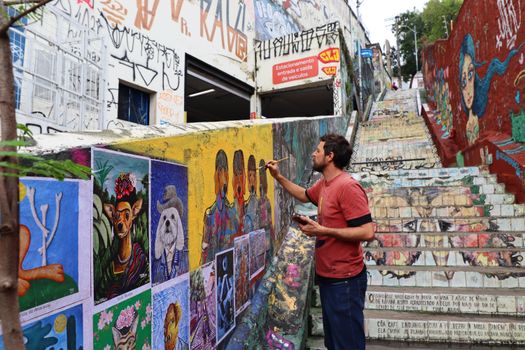
Art therapy is not just about individual healing—it’s also a powerful tool for advocacy and social change. Community art projects, public murals, and collaborative exhibitions can raise awareness about mental health, reduce stigma, and create supportive networks.
For example, the “Inside Out Project” has involved over 500,000 people worldwide in making large-scale public portraits, many of which explore themes of mental health, identity, and resilience. Programs like “The Memory Project” invite children in crisis zones to create and exchange portraits as a form of global empathy.
Such initiatives demonstrate that art can be both personal and collective—a bridge to understanding and a catalyst for positive change.
The Ongoing Importance of Art in Therapy and Mental Health
Art therapy is a dynamic, evolving field that continues to gain recognition for its therapeutic potential. Its ability to reach across languages, abilities, and cultures makes it accessible to millions who might otherwise struggle to find their voice. As research grows and more people experience its benefits, art therapy is poised to play an increasingly central role in mental health care worldwide.
Whether used in clinics, schools, or community centers, art therapy empowers individuals to explore, heal, and connect. By embracing creativity, we open doors to new ways of understanding ourselves and supporting each other.